How to Find a Reliable 3D Printing Parts Supplier for Rapid Prototyping
- Share
- Issue Time
- Mar 2,2026
Summary
Learn how to find a reliable 3D printing supplier for rapid prototyping. Discover key tips on technology selection, material expertise, quality control, and turnaround times.
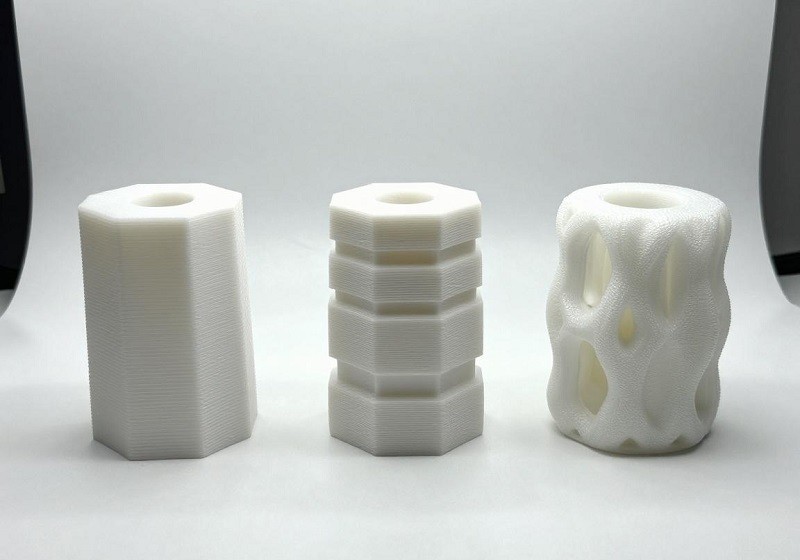
Rapid prototyping, powered by 3D printing, has transformed modern product development. It allows design and engineering teams to quickly turn digital designs into physical objects, making it possible to test, refine, and perfect products before committing to mass production. This guide will explore the critical process of finding a reliable 3D printing parts supplier for your rapid prototyping needs—a decision that is crucial for ensuring quality, efficiency, and cost-effectiveness.
Whether you are creating complex components with intricate geometries or customized one-off designs, a key strategic choice is whether to establish in-house 3D printing capabilities or to outsource this function to a specialized partner. This decision can significantly impact your company's operations, budget, and capacity for innovation. We will delve into the essential factors that will help you make an informed choice, ensuring you select a partner who can deliver high-quality results, robust materials, and excellent support for your projects.
Understanding the Role of a 3D Printing Parts Supplier in Rapid Prototyping
To fully appreciate the importance of selecting the right partner, it's essential to first understand the ecosystem in which they operate. Rapid prototyping is a dynamic and iterative process, and a 3D Printing Parts Supplier{target=_blank} acts as a pivotal enabler, translating digital concepts into tangible, testable realities. Their expertise, technology, and efficiency directly influence the speed and success of your entire product development cycle.
What is Rapid Prototyping and How Does 3D Printing Enhance It?
Rapid prototyping is the process of quickly fabricating a physical part, model, or assembly from a three-dimensional computer-aided design (CAD) model. The core purpose is to create a tangible object that can be used to evaluate and validate a design's form, fit, and function at an early stage. This methodology allows teams to identify potential flaws, gather user feedback, and make necessary adjustments before investing in expensive tooling and large-scale manufacturing.
Traditionally, creating prototypes involved subtractive methods like CNC machining or molding, which often came with long lead times and high initial costs. 3D printing, also known as additive manufacturing, has completely revolutionized this landscape. It is a manufacturing process that builds objects layer by layer directly from a digital file, circumventing the need for molds or specialized tooling.
How 3D printing works in the rapid prototyping process:
- Digital Design: The process starts with a 3D CAD model of the part.
- File Conversion: This model is then converted into a format like STL or OBJ, which is readable by 3D printing software.
- Slicing: Slicing software divides the 3D model into hundreds or thousands of thin, horizontal 2D layers and generates the toolpaths for the printer.
- Printing: The 3D printer reads the sliced file and begins building the object layer by layer, depositing, fusing, or curing material until the object is complete.
This direct translation from a digital file to a physical object drastically reduces the time and cost associated with prototyping. What once took weeks or even months can now be accomplished in a matter of hours or days, empowering teams to iterate and innovate at an unprecedented pace.
Key Benefits of Utilizing 3D Printing for Prototypes
The adoption of 3D printing for rapid prototyping offers a multitude of strategic advantages that accelerate product development and drive innovation. These benefits address critical aspects of the design cycle, from speed and cost to complexity and validation.
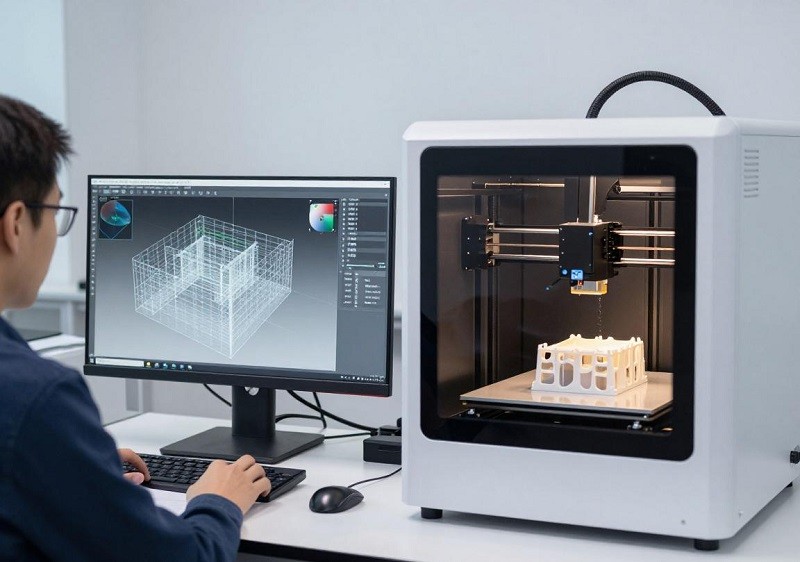
1. Accelerated Timelines and Faster Time-to-Market The most significant advantage of 3D printing in prototyping is the dramatic reduction in lead times. Bypassing the need for tooling fabrication means designers can go directly from a CAD file to a physical part. This speed allows for rapid iteration; a design can be conceived in the morning, printed during the day, tested in the afternoon, and redesigned for a new print overnight. This compressed cycle enables companies to finalize designs and get products to market much faster, providing a crucial competitive edge.
2. Substantial Cost Savings Traditional prototyping methods like injection molding or CNC machining often require expensive, custom-made tools, molds, and fixtures. 3D printing eliminates these high upfront costs, as no tooling is required. This significantly lowers the financial barrier to creating physical prototypes, especially for startups and small businesses. Furthermore, the cost per prototype is drastically reduced. For instance, some manufacturers have seen prototype costs drop from hundreds or thousands of dollars with traditional methods to as little as $10 or $30 with in-house 3D printing.
3. Unmatched Design Freedom and Complexity Additive manufacturing excels at producing complex geometries and intricate details that are difficult, if not impossible, to create with traditional methods. Designers are no longer constrained by the limitations of "design for manufacturability" (DFM) associated with molding or machining. This freedom allows for the creation of lightweight lattice structures, internal channels, organic shapes, and other innovative features that can enhance a product's performance and functionality.
4. Enhanced Design Validation and Risk Mitigation Physical prototypes allow for thorough testing of a product's form, fit, and function. With 3D printing, teams can create multiple variations of a part to test ergonomics, assembly, and mechanical properties. This iterative feedback loop helps identify design flaws and opportunities for optimization early in the development process. By catching and resolving issues at the prototype stage, companies can minimize the risk of costly errors and tool modifications during mass production.
5. Improved Communication and Collaboration A physical model is a powerful communication tool. Tangible prototypes allow stakeholders, including engineers, designers, marketers, and clients, to better understand and evaluate a design concept. Holding a prototype in their hands provides immediate, intuitive feedback that 2D drawings or 3D screen renders cannot match. This shared understanding improves collaboration, facilitates clearer feedback, and leads to more informed decision-making throughout the project.
6. Material Versatility for Functional Testing Modern 3D printing offers a wide and expanding range of materials, including various plastics, resins, nylons, and even metals. This allows engineers to create prototypes with material properties that closely mimic those of the final product. Functional prototypes can be produced using durable materials like ABS or PETG for real-world testing of mechanical stress, thermal resistance, and chemical exposure, providing more accurate performance data during the design phase.
In-house vs. Outsourced 3D Printing Parts Supplier: Making the Right Choice
One of the most significant strategic decisions a company faces when embracing rapid prototyping is whether to build an in-house 3D printing facility or to partner with an external 3D printing parts supplier. Each path offers distinct advantages and disadvantages related to cost, speed, expertise, and control. There is no one-size-fits-all answer; the optimal choice depends heavily on your specific needs, project volume, budget, and long-term goals.
Advantages of In-House 3D Printing for Rapid Prototyping
Bringing 3D printing capabilities in-house grants a company unparalleled control and speed over its prototyping process. For organizations that require frequent and rapid iteration, this can be a game-changing investment.
Key advantages include:
- Unmatched Speed and Agility: The most significant benefit is the ability to go from design to physical part in hours. There is no need to wait for shipping or for a supplier's production queue. This near-instant turnaround allows engineers to print a part overnight and test it the next morning, dramatically accelerating the design-test-iterate cycle and shortening the overall product development timeline. This agility is crucial for keeping projects on schedule and responding quickly to design challenges.
- Reduced Cost Per Part (at Volume): While there is an initial investment in hardware, the cost to produce an individual prototype in-house can be three to five times lower than outsourcing it. For companies that print even a moderate number of models per month, the total cost of ownership can quickly become more economical than repeatedly paying service bureau markups. One manufacturer, for example, estimated they reduced their prototyping costs by 73% after bringing the capability in-house.
- Greater Design Flexibility and Innovation: Having a printer on-site encourages experimentation. Engineers are more likely to test multiple design variations and explore innovative solutions when they can produce prototypes quickly and cheaply. This freedom fosters a culture of creativity and can lead to better, more optimized final products.
- Enhanced Confidentiality and IP Protection: For many companies, new product designs are sensitive intellectual property. Keeping the entire prototyping process in-house eliminates the risk of transmitting confidential design files to external networks or third-party vendors. This ensures that your innovative ideas remain secure within the company walls until you are ready for a public launch.
- Complete Control Over the Process: In-house printing provides full control over the production schedule, material choices, and print settings. Teams don't have to operate on a supplier's timeline or be limited by their material stock. This autonomy ensures that the prototyping process aligns perfectly with the project's specific priorities and deadlines.
Benefits of Partnering with an Outsourced 3D Printing Parts Supplier
For many businesses, particularly those new to 3D printing or with fluctuating needs, partnering with a specialized outsourced supplier is the more strategic and cost-effective choice. These service bureaus offer expertise and access to a level of technology that can be prohibitive to establish in-house.
Key benefits include:
- No Upfront Investment and Lower Initial Costs: The most compelling reason to outsource is the avoidance of significant capital expenditure. Industrial-grade 3D printers can cost tens or even hundreds of thousands of dollars, not to mention the costs of facility modifications, ventilation, and maintenance. Outsourcing allows you to access this technology on a pay-as-you-go basis, making it ideal for companies with limited budgets or infrequent printing needs.
- Access to a Wide Range of Technologies and Materials: Professional 3D printing services operate entire fleets of printers, including various technologies like FDM, SLA, SLS, and metal printing. This gives you access to a massive library of materials—from basic plastics to high-performance engineering-grade polymers and metals—that would be impractical to stock in-house. This allows you to select the perfect material and process for each specific prototype's requirements.
- Expertise and Professional-Quality Results: Reputable suppliers employ teams of experts who live and breathe 3D printing. They can provide design-for-additive-manufacturing (DFAM) advice, optimize print orientations for strength and accuracy, and execute complex post-processing steps like sanding, dyeing, or painting. This ensures you receive high-quality, professional-grade parts with consistent precision and finish, without a steep learning curve for your own team.
- Scalability on Demand: An outsourced supplier can easily handle fluctuating production volumes. Whether you need a single prototype or a small batch of 500 units, a service bureau has the capacity to scale up or down to meet your exact needs without you needing to worry about printer downtime or capacity constraints. This flexibility is invaluable for managing project demands efficiently.
- Focus on Core Competencies: Outsourcing the manufacturing of prototypes allows your design and engineering teams to focus on what they do best: designing and innovating. They are freed from the operational tasks of printer maintenance, material handling, and post-processing, leading to greater overall productivity.
The Hybrid Approach: Combining Internal Capabilities with a 3D Printing Parts Supplier
It's important to recognize that the choice between in-house and outsourcing is not necessarily a strict either/or decision. A growing number of companies are adopting a hybrid approach, which leverages the benefits of both models. In fact, one survey found that over 85% of customers of a major 3D printing service provider also owned their own 3D printers.
This strategy typically involves using affordable in-house desktop printers (often FDM) for rapid, low-fidelity concept models and early-stage iterations where speed is paramount. These printers are perfect for quick form and fit checks.
Then, for later-stage, high-fidelity prototypes that require:
- Specialty materials (e.g., high-temperature plastics, flexible resins, or metal).
- Advanced technologies (e.g., SLS for durable nylon parts or SLA for high-detail cosmetic models).
- Large build volumes that exceed the capacity of in-house machines.
- Professional finishing and post-processing.
…the company turns to an external 3D printing parts supplier.
This hybrid model offers the best of both worlds: the speed and low cost of in-house printing for daily iterations, combined with the advanced capabilities and guaranteed quality of a professional service for critical, customer-facing, or functional prototypes. It provides maximum flexibility, allowing a company to choose the best tool for each specific job in the product development cycle.
The following table summarizes the key considerations when choosing between in-house, outsourced, and hybrid models:
| Factor | In-House Printing | Outsourced Supplier | Hybrid Approach |
|---|---|---|---|
| Initial Cost | High (equipment, facility, training) | None | Moderate (cost of desktop printers) |
| Cost Per Part | Low (at high volume) | Higher (includes service markup) | Varies (low for internal prints, higher for outsourced ones) |
| Turnaround Time | Very Fast (hours to a day) | Slower (days to weeks, includes shipping) | Fast for initial iterations, slower for advanced prototypes |
| Control & IP | Full control, high security | Relies on supplier's security, shared IP | High security for early stages, reliance on supplier for final |
| Technology Access | Limited to purchased machines | Wide range of technologies and materials | Limited in-house, but access to all via outsourcing |
| Expertise | Requires in-house training and learning curve | Access to dedicated experts | Builds basic in-house skill, relies on experts for complexity |
| Scalability | Limited by number of machines | Highly scalable on demand | Scalable through outsourcing partner |
| Best For | Frequent prototyping, rapid iteration, IP-sensitive projects | Infrequent needs, specialty materials, high-quality finish | Most businesses; combines speed for iteration with quality for final prototypes |
Ultimately, by carefully evaluating your company's printing frequency, budget, material needs, and long-term strategy, you can make an informed decision that optimizes your rapid prototyping workflow for maximum efficiency and innovation.
Essential Considerations When Selecting a 3D Printing Parts Supplier
Choosing the right external partner is a critical decision that directly impacts your project's quality, timeline, and budget. A thorough evaluation process is necessary to ensure you find a reliable and capable supplier who can meet your specific rapid prototyping needs. Here are the essential factors to consider during your selection process.
Technology and Material Capabilities of Your Prospective 3D Printing Parts Supplier
The technological core of a 3D printing service is its primary differentiator. Not all suppliers are created equal, and their capabilities can vary significantly.
- Range of Technologies: A premier supplier should offer a diverse portfolio of 3D printing technologies. This includes widely used processes like Fused Deposition Modeling (FDM) for basic prototypes, Stereolithography (SLA) for high-detail cosmetic parts, and Selective Laser Sintering (SLS) for durable, functional nylon components. Access to advanced technologies like Multi Jet Fusion (MJF), Direct Metal Laser Sintering (DMLS), or PolyJet for multi-material and full-color printing is a strong indicator of a top-tier provider. The ability to offer multiple technologies ensures they can recommend the optimal process for your specific application, rather than forcing your project into their limited capabilities.
- Material Selection: The variety and quality of materials are just as important as the technology. A good provider should offer a comprehensive library ranging from standard plastics (PLA, ABS, PETG) to engineering-grade polymers (Nylon, PC, ULTEM) and high-performance metals (Aluminum, Stainless Steel, Titanium). They should also have specialty resins for specific needs like high-temperature resistance, flexibility, or biocompatibility. Ask about their material quality control processes to ensure consistency and performance.
- Equipment Quality and Maintenance: The quality of the final print is directly tied to the quality of the machines used. Inquire about the manufacturer and model of their printers. Industrial-grade machines from reputable brands like Stratasys, 3D Systems, or EOS are a good sign. Furthermore, ask about their maintenance schedules and calibration procedures. Well-maintained and properly calibrated equipment is essential for producing accurate and repeatable parts.
Evaluating Quality, Accuracy, and Turnaround Time from a 3D Printing Parts Supplier
These three interconnected factors—quality, accuracy, and speed—are the cornerstones of a successful prototyping partnership.
- Quality and Accuracy: The fundamental purpose of a prototype is to be a precise physical representation of your digital design. Ask potential suppliers about their quality assurance processes. Do they have documented quality control measures, such as regular inspections and dimensional verification? Request information on their typical dimensional accuracy and tolerances for different technologies. A reliable supplier should be able to provide clear specifications, and many adhere to industry standards like ISO 9001. Don't hesitate to request sample parts to evaluate their surface finish, detail resolution, and overall build quality firsthand.
- Understanding Print Settings: Aspects like layer height, print orientation, and infill density significantly impact a part's quality, strength, and appearance. A transparent supplier will discuss these parameters with you. A lower price might be the result of using a thicker layer height, which speeds up the print but results in a rougher, less detailed part. Ensure the provider prioritizes part quality and function over simply offering the lowest price.
- Turnaround Time: In rapid prototyping, speed is of the essence. Inquire about their standard lead times for different technologies and materials. A good supplier will provide a clear and realistic timeline from quote to delivery. However, be wary of promises that seem too good to be true. Balance speed with quality; the fastest option isn't always the best if it compromises the accuracy or integrity of the part. Also, factor in shipping time, especially if the provider is not local.
Cost-Effectiveness and Transparency from a 3D Printing Parts Supplier
While cost is a major consideration, it should be evaluated in the context of value and transparency. The cheapest quote is not always the best deal.
- Transparent Pricing: Look for suppliers that offer clear, detailed, and itemized quotes. The quote should break down costs related to material, machine time, labor, and post-processing. Beware of hidden fees. Ask about potential additional costs for things like file preparation, support removal, finishing, and shipping. Many modern services offer instant online quoting tools that analyze your CAD file and provide real-time cost estimates, which is a great sign of transparency.
- Understanding Cost Drivers: The primary cost drivers in 3D printing are material volume, machine runtime, and manual labor for post-processing. A good supplier may offer suggestions on how to optimize your design for cost-effectiveness—for example, by hollowing out the model or minimizing support structures—without compromising its function. This demonstrates a commitment to partnership rather than just maximizing their own revenue.
- Comparing Value, Not Just Price: When comparing quotes from different suppliers, look at the overall value. A slightly more expensive quote from a provider that guarantees higher accuracy, uses superior materials, and offers expert support may be more cost-effective in the long run by avoiding costly reprints and project delays. A quote that seems low may omit necessary post-processing steps or use a lower resolution, ultimately delivering a part that doesn't meet your needs.
Reputation, Experience, and Customer Support of a 3D Printing Parts Supplier
A supplier's reputation and customer service are often indicative of the experience you can expect. A long-term partnership requires trust and effective communication.
- Reputation and Experience: Look for established providers with a strong track record and experience in your industry. Read online reviews, client testimonials, and case studies to gauge their reliability and the satisfaction of previous customers. A provider with years of experience is more likely to have refined processes and the expertise to handle complex projects.
- Customer Support and Communication: Excellent customer support is vital, especially if you are new to 3D printing. A good partner will be responsive, knowledgeable, and willing to offer advice on material selection and design optimization. Their team should be accessible via phone, email, or live chat to answer questions and resolve issues promptly. Before committing, test their responsiveness with an initial inquiry. The quality of their communication during the quoting process is a good indicator of the support you'll receive later.
- Design and Engineering Support: Some suppliers offer in-house design and engineering support, which can be invaluable if your team lacks expertise in Design for Additive Manufacturing (DfAM). They can help you optimize your parts for the printing process, ensuring better results and potentially lower costs. This level of partnership transforms a simple vendor relationship into a strategic asset for your product development team.
Designing for Success: Optimizing Your Project for Any 3D Printing Parts Supplier
While selecting a capable supplier is crucial, the success of a 3D printed prototype also hinges on a well-optimized design. Applying principles of Design for Additive Manufacturing (DfAM) not only ensures the part can be printed successfully but also enhances its strength, functionality, and cost-effectiveness. Collaborating with your chosen supplier during this phase can yield invaluable insights.
Designing for Strength and Durability for Your 3D Printing Parts Supplier
The layer-by-layer nature of 3D printing creates inherent anisotropy, meaning parts are typically weaker along the Z-axis (between layers) than in the X-Y plane (along the printed lines). Designing with this in mind is critical for producing strong, durable prototypes.
- Part Orientation: This is the single most important factor for strength. Always consider the direction of the forces the part will experience in its application. As a rule, orient the part so that the primary stress is perpendicular to the layer lines. For example, a hook designed to bear a downward load should be printed lying flat on the build plate, so the layers run the length of the hook, rather than standing up, which would put the stress directly on the weaker layer-to-layer bonds.
- Wall Thickness and Shells: Increasing the wall thickness (also known as perimeters or shells) is one of the most effective ways to add strength. For functional parts that will undergo stress, using 3 to 5 wall lines is often more effective at increasing durability than simply raising the infill percentage.
- Infill Density and Pattern: Infill provides internal support and rigidity. While a 100% solid part is the strongest, it's often unnecessary and dramatically increases print time and material cost. A density of 30-50% is a good starting point for functional parts. The infill pattern also matters; patterns like triangles or gyroid provide excellent strength in multiple directions.
- Adding Fillets and Chamfers: Sharp internal corners act as stress concentrators, creating weak points where cracks are likely to form. By adding rounded edges (fillets) to these corners, you can distribute stress more evenly across the part, significantly improving its durability and resistance to failure under load.
Considering Manufacturing Tolerances and Part Finish with Your 3D Printing Parts Supplier
Every manufacturing process has a degree of variability, and 3D printing is no exception. Understanding and designing for these limitations is key to creating parts that fit and function as intended.
- Dimensional Tolerances: Tolerance is the acceptable deviation from a part's specified dimensions. Different 3D printing technologies have different standard tolerances. For example, Fused Deposition Modeling (FDM) generally has a tolerance of around ±0.5 mm, while processes like Stereolithography (SLA) can achieve much tighter tolerances, often around ±0.1 mm. When designing parts for an assembly, it's crucial to account for these tolerances by designing in appropriate clearances or "air gaps" (typically 0.15-0.5 mm) between mating components to ensure they fit together properly.
- Surface Finish: The surface of a 3D printed part will inherently show layer lines. The prominence of these lines depends on the layer height chosen. Thinner layers produce a smoother surface but increase print time. If a very smooth finish is required for aesthetic or functional reasons (like a sealing surface), discuss post-processing options such as sanding, vapor smoothing, or coating with your supplier. Orienting the part so that critical cosmetic surfaces are vertical can also help minimize visible stepping.
- Minimum Feature Size: Be mindful of the printer's resolution. Features like thin walls or small embossed text must be larger than the printer's minimum feature size (which depends on the nozzle diameter or laser spot size). A wall thinner than the nozzle diameter may not print at all. A good rule of thumb is to ensure wall thicknesses are at least two to three times the nozzle diameter (e.g., ~1.0-1.2mm for a 0.4mm nozzle).
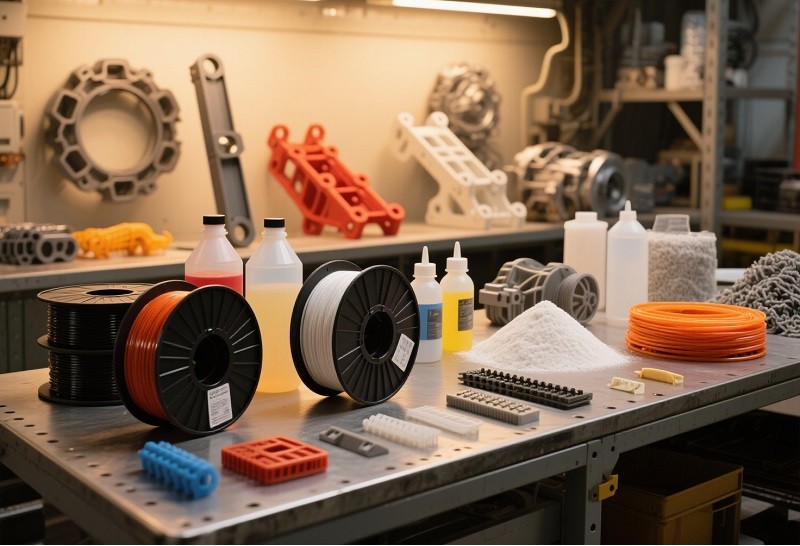
Process Optimization and Functional Integration for Your 3D Printing Parts Supplier
Beyond designing individual parts, DfAM principles can be applied to optimize the entire assembly and manufacturing process.
- Part Consolidation: One of the most powerful advantages of 3D printing is the ability to consolidate multiple components of an assembly into a single, complex part. This reduces part count, eliminates the need for fasteners or adhesives, simplifies the assembly process, and can create lighter, stronger final products. Analyze your design for opportunities to combine brackets, mounts, and other components into a monolithic piece.
- Design for Assembly (DFA): If parts must remain separate, design them to be easily assembled. Incorporate self-aligning features like tabs and slots, or design snap-fit connections that eliminate the need for screws or glue. When designing for print-in-place assemblies (where moving parts are printed together in one go), ensure there is an adequate air gap between all articulating components to prevent them from fusing together during printing.
- Support Structure Optimization: Overhanging features beyond a certain angle (typically 45°) require support structures, which add print time, use extra material, and can mar the part's surface upon removal. Whenever possible, design self-supporting angles or use chamfers to turn steep overhangs into printable inclines. Orienting the part to minimize the amount of support needed can significantly save time and cost and improve the final surface quality.
By proactively incorporating these design strategies, you can not only avoid common printing failures but also unlock the full potential of additive manufacturing, resulting in prototypes that are stronger, more accurate, and better aligned with your project's goals.
Exploring Top 3D Printing Parts Suppliers for Rapid Prototyping
While the number of 3D printing service providers is vast, they can generally be categorized into broad, high-volume suppliers and those that focus on specialized, niche applications. Understanding this landscape can help you narrow your search and find a partner that is perfectly aligned with your project's unique demands.
Leading 3D Printing Parts Suppliers in China for Diverse Needs
China has become a global powerhouse for manufacturing, and rapid prototyping is no exception. Many Chinese suppliers offer comprehensive services that combine advanced technology with significant cost advantages, making them a popular choice for businesses worldwide. These companies often provide a one-stop-shop experience, integrating multiple manufacturing processes under one roof.
Prominent suppliers in China often boast the following characteristics:
- Integrated Service Platforms: Companies like WayKen, Star Rapid, and HLH Prototypes offer a wide array of services beyond just 3D printing. Their capabilities frequently include CNC machining, vacuum casting, rapid tooling, and sheet metal fabrication, allowing them to handle complex projects from initial prototype to low-volume production.
- Advanced Technology: Many top Chinese firms have invested heavily in state-of-the-art equipment. It's common to find facilities with fleets of industrial-grade printers utilizing technologies like SLA, SLS, and DMLS, alongside multi-axis CNC machines. For example, Kaiao Rapid Manufacturing was a pioneer, introducing the first SLA machine to the country.
- Cost-Effectiveness: Due to lower labor and operational costs, Chinese suppliers can often provide services at a price point that is highly competitive, sometimes 30% lower than their European or American counterparts, without compromising on quality.
- Focus on Global Clients: Many of these companies, especially those in manufacturing hubs like Shenzhen and Dongguan, have extensive experience working with international clients. They have established streamlined communication channels and project management workflows to cater to overseas customers, ensuring that factors like language barriers are minimized.
- Quality Certifications: To build trust and ensure compliance with international standards, reputable suppliers often hold certifications like ISO 9001, demonstrating a commitment to quality management.
Here is a brief overview of some notable players in the Chinese market:
| Company Name | Founded | Location | Key Specialties |
|---|---|---|---|
| WayKen | 2013 | Shenzhen | CNC machining, 3D printing, rapid tooling, low-volume manufacturing. |
| Star Rapid | 2005 | Zhongshan | CNC, injection molding, die casting, 3D printing (SLA/SLS). |
| HLH Prototypes | 2008 | Shenzhen | Wide range of services including 3D printing, CNC, vacuum casting. |
| JR Technology | 2012 | Shenzhen | Official partner for EOS and Stratasys; specializes in high-end industrial 3D printing including metal. |
| Unionfab | --- | --- | Operates a large farm of over 800 industrial-grade 3D printers, specializing in rapid prototyping and on-demand parts. |
Specialized 3D Printing Parts Suppliers for Niche Applications
While many suppliers offer general-purpose printing, certain industries have such specific and stringent requirements that they have given rise to highly specialized service providers. These suppliers focus on regulated fields like medical and aerospace, where precision, material properties, and certification are non-negotiable.
Medical 3D Printing Suppliers:
The medical field leverages 3D printing for creating patient-specific anatomical models, surgical guides, custom implants, and medical device prototypes. Suppliers in this space operate in highly regulated environments.
- Key Services: They transform DICOM data (from CT/MRI scans) into physical models for pre-surgical planning, patient education, and physician training. They also excel at prototyping and manufacturing medical devices using biocompatible and sterilizable materials.
- Certifications and Compliance: These suppliers often hold certifications like ISO 13485 (for medical device quality management systems) and may offer printing of FDA-cleared devices.
- Specialized Materials: They work with a palette of materials engineered for medical use, including various biocompatible polymers and medical-grade Titanium for implants that promote bony ingrowth.
- Leading Companies:
- Stratasys Direct: Provides ISO 13485-certified 3D printing for medical devices and lifelike anatomical models for surgical simulation.
- Ricoh 3D for Healthcare: Offers an end-to-end workflow to create FDA-cleared, patient-specific anatomical models, available either as an on-demand service or an on-site managed solution at hospitals.
- Tangible Solutions: A contract manufacturer specializing in 3D printed medical-grade titanium orthopedic implants, with experience producing over one million implants.
Aerospace 3D Printing Suppliers:
In the aerospace industry, 3D printing is used to produce lightweight components, complex tooling, and flight-ready end-use parts. The focus is on performance, reliability, and materials that can withstand extreme conditions.
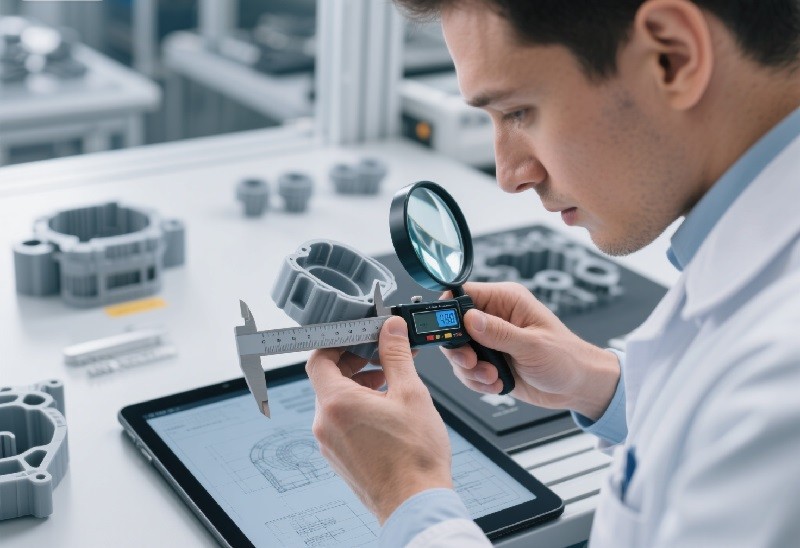
- Key Applications: Services include direct digital manufacturing (DDM) of drone parts, custom jigs and fixtures, and lightweighting existing components through generative design.
- Advanced Materials: These suppliers specialize in high-performance, flame-retardant thermoplastics like ULTEM 9085 and PEKK, as well as various metal alloys used in aviation. Many materials come with lot-level traceability and certifications required for flight-ready parts.
- Industry Focus and Certifications: These suppliers understand the stringent requirements of the aerospace sector, often working toward standards like AS9100.
- Leading Companies:
- Markforged: Offers a platform for printing with high-strength composite materials and metals, including flame-retardant options like Onyx FR-A with lot-level traceability for aerospace applications.
- Stratasys: A major player whose equipment and materials are widely used across the aerospace sector for prototyping and producing certified aircraft interior parts.
- ACMT: A specialized manufacturer that uses industrial-grade systems like the Fortus 450 to produce functional prototypes, tools, and gauges from engineering-grade materials for aerospace clients.
When selecting a supplier, identifying whether your needs are for general-purpose prototyping or require deep, niche expertise is the first step toward finding the perfect partner for your project.
Conclusion
The journey from a digital concept to a physical prototype is filled with critical decisions, and the choice of a 3D printing solution is paramount among them. The decision to build an in-house capability, partner with an external 3D printing parts supplier, or adopt a flexible hybrid model ultimately depends on your specific project requirements, budget constraints, and long-term strategic goals. By carefully weighing these factors—including cost, speed, material needs, and required expertise—your organization can make an informed choice that drives innovation, enhances efficiency, and accelerates your time to market.
No matter which path you choose, the success of your rapid prototyping endeavors will always hinge on a few core principles. Prioritizing part quality, ensuring clear and consistent communication with your manufacturing partner, and developing a thorough understanding of a supplier's technological capabilities are essential. Embracing these practices will not only lead to successful prototypes but will also foster a more robust and effective product development process, paving the way for groundbreaking products and a stronger competitive advantage. We encourage you to share this guide with your colleagues and discuss how these strategies can be implemented in your own workflows.