Choosing Materials: A Guide for Professional Custom Sheet Metal Fabrication Suppliers
- Share
- Issue Time
- Mar 30,2026
Summary
A comprehensive guide for custom sheet metal fabrication suppliers on material selection, covering key factors (mechanical properties, corrosion resistance, cost), common materials (stainless steel, aluminum, carbon steel) and finishing options, helping to make informed, cost-effective material decisions for fabrication projects.
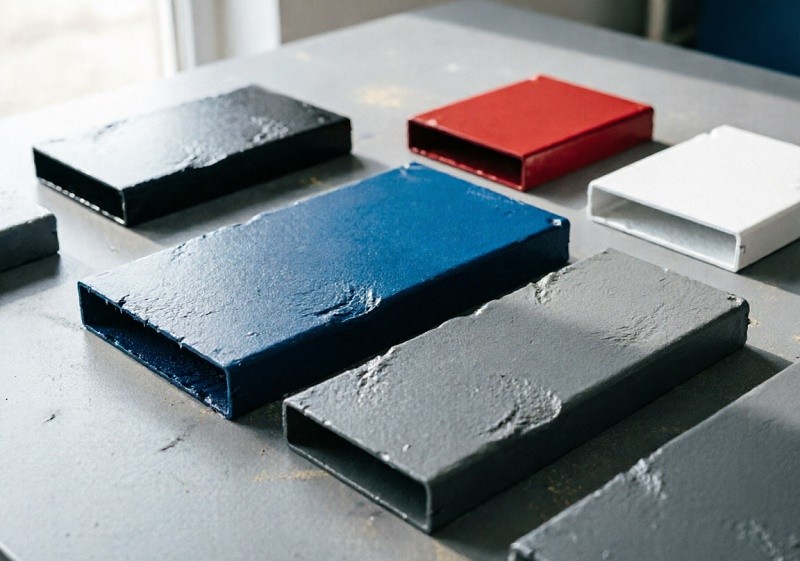
Choosing the right materials is paramount in custom sheet metal fabrication, influencing everything from performance and durability to cost and aesthetics. As a professional custom sheet metal fabrication supplier, we know that an incorrect material choice can lead to product failure, low yields, increased costs, and even safety concerns. A component designed for a dry, indoor environment will fail spectacularly if made from the wrong material and then exposed to a coastal, salt-spray climate. The inverse is also true; over-engineering a part with an expensive, high-performance alloy when a simpler one would suffice leads to unnecessary budget overruns. These decisions are foundational to the success of any project.
This guide is designed to walk you through the essential considerations when selecting materials for your sheet metal projects. We will delve into the unique properties of common metals, explore a variety of finishing options, and provide the insights needed to make informed decisions. By understanding the interplay between a material's characteristics, its intended environment, and the manufacturing processes involved, you can ensure the success and longevity of your designs, transforming a concept into a tangible, reliable product. Whether you are an experienced engineer or new to the fabrication process, this comprehensive overview will serve as a vital resource.
Key Factors for Material Selection: Insights from Your Professional Custom Sheet Metal Fabrication Supplier
Choosing the correct material is a balancing act of competing priorities. The strongest material may not be the most formable, the most corrosion-resistant might be prohibitively expensive, and the cheapest option could lead to long-term failure. A holistic approach is required, weighing mechanical properties, environmental resistance, budget constraints, and manufacturing compatibility. This section breaks down these key factors to provide a structured framework for your selection process.
Understanding Mechanical Properties
Mechanical properties define how a material behaves under physical stress. For sheet metal, which is almost always bent, stretched, cut, or loaded in some way, these properties are not just abstract numbers on a datasheet—they are direct predictors of real-world performance.
Strength and Durability
Strength determines a material's ability to withstand applied forces without deforming or fracturing. It's not a single value but a set of characteristics. Tensile strength (or ultimate tensile strength, UTS) is the maximum stress a material can endure while being stretched or pulled before breaking. Yield strength is the point at which the material begins to deform permanently. For a structural part, the yield strength is often more critical than the tensile strength, as you want the part to remain in its intended shape under normal load conditions.
Durability extends beyond simple strength to include a material's resistance to wear, fatigue, and impact. For components subjected to repeated cycles of loading and unloading, like brackets on vibrating machinery, fatigue strength is paramount. For parts that might be bumped or struck, like protective housings, high impact strength is necessary. Steel alloys are generally known for their high strength, making them ideal for structural frames and supports. However, advanced aluminum alloys can offer comparable strength at a fraction of the weight, which is why they are favored in aerospace and high-performance automotive applications.
Ductility and Formability
Ductility and formability describe a material's ability to undergo plastic deformation—such as bending, stretching, or drawing—without fracturing. This is a crucial property in Professional Custom Sheet Metal Fabrication Services, as it dictates the complexity of shapes that can be achieved. Highly ductile materials like aluminum and low-carbon steel can be bent to tight radii and deep-drawn into complex shapes like automotive body panels or kitchen sinks.
Formability is often quantified by metrics such as elongation (how much a material can stretch before it breaks) and the minimum bend radius. Attempting to bend a material with low ductility to a sharp internal corner can cause cracking on the outer surface. This is why material selection is directly tied to the part design. If a design requires sharp, crisp bends, a more ductile material must be chosen, or the design must be revised to accommodate a larger bend radius suitable for a less formable but perhaps stronger or more corrosion-resistant material.
Weight Considerations
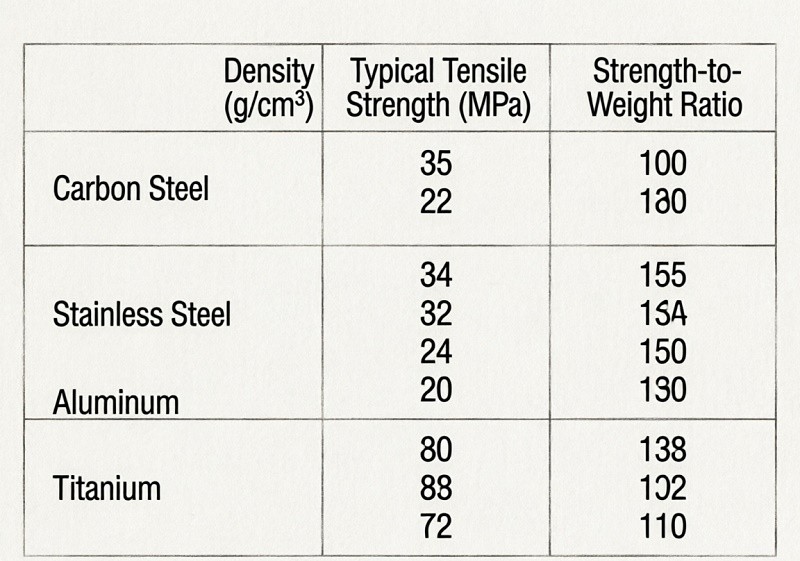
The density of a material, and by extension its weight, is a critical design factor in many industries. In aerospace, automotive, and portable electronics, reducing weight (a practice known as "lightweighting") directly translates to improved fuel efficiency, better performance, and enhanced user experience. The key metric here is the strength-to-weight ratio.
Aluminum is a star performer in this category, offering excellent strength for its low density, making it a default choice for aircraft fuselages and vehicle chassis components. Titanium boasts an even more impressive strength-to-weight ratio, combined with exceptional corrosion resistance and high-temperature performance, though at a significantly higher cost. In contrast, steel is much denser, but its low cost and high absolute strength make it the go-to for applications where weight is a secondary concern, such as in industrial machinery, building construction, and stationary enclosures. The choice often comes down to a trade-off: is the performance gain from lightweighting worth the increased material cost?
| Material | Density (g/cm³) | Typical Tensile Strength (MPa) | Strength-to-Weight Ratio (Arbitrary Units) |
|---|---|---|---|
| Carbon Steel | ~7.85 | 400-550 | Low-Medium |
| Stainless Steel | ~8.00 | 500-700 | Medium |
| Aluminum | ~2.70 | 200-500 | High |
| Titanium | ~4.51 | 450-1100 | Very High |
Corrosion Resistance: A Critical Factor
Corrosion is the natural process of a refined metal returning to a more stable form, such as oxide, hydroxide, or sulfide. It is, in essence, the gradual destruction of a material by chemical or electrochemical reaction with its environment. For a sheet metal part, corrosion is a primary antagonist, compromising its structural integrity, functionality, and appearance.
Natural Resistance vs. Coatings
Some metals have an inherent ability to resist corrosion. Stainless steel, for instance, contains chromium, which forms a thin, passive, and invisible layer of chromium oxide on the surface. This passive layer instantly reforms when scratched, providing continuous protection. Aluminum behaves similarly, forming a tough, transparent layer of aluminum oxide that protects it from further oxidation. Copper and its alloys, brass and bronze, also exhibit excellent corrosion resistance and develop a characteristic patina over time that is often aesthetically desirable.
On the other hand, carbon steel, the most common engineering material, has very poor corrosion resistance. It rusts readily in the presence of moisture and oxygen. To use carbon steel in most applications, it must be protected by a coating. This can be achieved through painting, powder coating, or plating with a more resistant metal. Galvanized steel, which is coated with a layer of zinc, is a prime example. The zinc provides a barrier and also acts as a sacrificial anode, corroding first to protect the underlying steel. The choice between an inherently resistant material and a coated one depends on the severity of the environment, the desired lifespan of the product, and the budget.
Environmental Impact on Corrosion
The environment where a product will be used is the single most important factor determining the rate and type of corrosion it will face. Key environmental factors include:
- Humidity and Moisture: The presence of water is a prerequisite for most common forms of corrosion.
- Salt: Coastal and marine environments, or areas where de-icing salts are used, are extremely corrosive due to the presence of chloride ions, which aggressively attack passive layers on metals like stainless steel. This is why marine-grade stainless steel (like 316) contains molybdenum for enhanced chloride resistance.
- Chemicals and Pollutants: Industrial environments with airborne chemicals like sulfur dioxide or chlorine can rapidly accelerate corrosion.
- Temperature: Higher temperatures generally increase the rate of chemical reactions, including corrosion.
A sheet metal enclosure for an indoor electronic device in a climate-controlled office has very different material requirements than a bracket for an antenna on a ship. The former might be perfectly served by plain cold-rolled steel, while the latter would demand a high-grade stainless steel, aluminum, or a robustly coated material to survive.
Cost-Effectiveness and Budget
While performance is paramount, projects live and die by their budgets. The cost of a material is a complex equation that goes far beyond the price per kilogram. A truly cost-effective choice minimizes the total cost of the product over its entire lifecycle, from raw material procurement to manufacturing, and through to maintenance and eventual replacement.
Raw Material Price vs. Overall Project Cost
It's a common mistake to select a material based solely on its raw material cost. While carbon steel is significantly cheaper than stainless steel or aluminum, it may lead to higher overall project costs. Consider the manufacturing process: a cheaper, stronger material might be harder to form, requiring more powerful machinery and leading to higher tooling wear and slower cycle times. A material that requires post-fabrication finishing, like painting or plating, adds labor and processing costs that an inherently corrosion-resistant material would not.
Furthermore, a cheaper material that corrodes and fails prematurely will incur warranty claims, replacement costs, and damage to a brand's reputation. The total cost of ownership (TCO) is a more accurate metric, encompassing:
- Raw Material Cost: The initial purchase price.
- Manufacturing Cost: Machinability, formability, and weldability all affect fabrication time and cost.
- Finishing Cost: The expense of any required painting, plating, or other surface treatments.
- Lifecycle Cost: Maintenance, repairs, and the expected lifespan of the part.
Sometimes, choosing a more expensive raw material like stainless steel can be more cost-effective in the long run by eliminating the need for coatings and reducing maintenance.
Impact of Customization on Cost
The degree of customization and complexity in a sheet metal part design has a direct and significant impact on its final cost. Factors that drive up manufacturing costs include:
- Tight Tolerances: Holding very precise dimensions requires more advanced machinery, slower production speeds, and more rigorous quality control, all of which add expense.
- Complex Geometries: Parts with many bends, intricate cuts, or deep-drawn features require more machine setup time, complex tooling, and longer processing cycles.
- Material Thickness: Thicker materials require more powerful (and expensive) cutting and bending equipment.
- Finishing Requirements: A multi-step finishing process (e.g., surface grinding followed by plating and then painting) is far more costly than a single-step process.
Effective communication with your fabrication supplier during the design phase is crucial. A good supplier can often suggest minor design modifications—such as increasing a bend radius, relaxing a non-critical tolerance, or changing the material to one that is more easily formed—that can lead to substantial cost savings without compromising the part's function.
Manufacturing Methods and Weldability
The chosen material must be compatible with the fabrication processes required to create the final part. A material that is theoretically perfect for an application is useless if it cannot be efficiently cut, bent, and joined.
Laser Cutting and Heat-Affected Zone (HAZ)
Laser cutting is a dominant process in modern sheet metal fabrication, prized for its precision and speed. The intense, focused heat of the laser melts and vaporizes the material to create the cut. However, this heat does not simply disappear; it dissipates into the surrounding material, creating a Heat-Affected Zone (HAZ). Within the HAZ, the material's microstructure and mechanical properties can be altered. For example, in some hardened steels, the HAZ can become brittle, while in some aluminum alloys, it can become softer and weaker.
The size and effect of the HAZ vary significantly between materials. Aluminum's high thermal conductivity means heat spreads quickly, potentially creating a larger HAZ. Reflective materials like copper and aluminum can also be more challenging to laser cut than steel, sometimes requiring a more powerful laser. Understanding the impact of the HAZ is critical for parts where the properties of the material near the cut edge are important for performance or subsequent operations like welding.
Welding Considerations for Different Materials
Welding is a common method for joining sheet metal components. However, not all materials are equally weldable. Weldability depends on factors like thermal conductivity, thermal expansion, oxide layers, and chemical composition.
- Carbon Steel: Generally easy to weld using a variety of common methods (MIG, TIG, Stick).
- Stainless Steel: Also readily weldable, but it has a higher rate of thermal expansion and lower thermal conductivity than carbon steel. This can lead to warping and distortion if not properly managed with careful heat control and fixturing.
- Aluminum: Presents more challenges. It has a tenacious oxide layer that must be thoroughly cleaned before welding. Its high thermal conductivity requires higher heat input but also risks melting through thin sheets. Certain alloys of aluminum are also prone to cracking after welding.
The choice of material may dictate the welding process that can be used, which in turn affects the cost, speed, and final quality of the assembly. It is essential to consider joining requirements early in the material selection process.
Common Sheet Metal Materials: Your Professional Custom Sheet Metal Fabrication Supplier's Guide
With a foundational understanding of the key selection factors, we can now explore the specific characteristics of the most common materials used in sheet metal fabrication. Each material offers a unique profile of strengths, weaknesses, and ideal applications.
Stainless Steel: Strength and Hygiene
Stainless steel is an iron-based alloy containing a minimum of 10.5% chromium. It is the chromium that gives stainless steel its signature "stainless" quality by forming a self-healing passive oxide layer. It is renowned for its combination of strength, corrosion resistance, and aesthetic appeal.
Advantages and Disadvantages
Stainless steel's benefits are numerous, but it's important to weigh them against its drawbacks for any given application.
Advantages:
- Excellent Corrosion Resistance: Resists rust, water staining, and many chemical environments.
- High Strength and Durability: Maintains strength at both high and low temperatures.
- Hygienic and Easy to Clean: Its non-porous surface does not harbor bacteria, making it a standard in food processing, medical, and pharmaceutical industries.
- Aesthetic Appeal: Available in a wide range of finishes, from matte to bright polished.
- 100% Recyclable: It has a long life and is highly sustainable.
Disadvantages:
- Higher Cost: Significantly more expensive than carbon steel.
- More Difficult to Fabricate: Its high strength makes it harder to cut and form. It is also prone to warping during welding.
- Can be Susceptible to Certain Corrosion: Specific grades can be attacked by chlorides (salts) and certain acids.
Specific Grades and Applications (e.g., 304, 316)
There are many grades of stainless steel, but two are overwhelmingly common in sheet metal fabrication:
- Grade 304: This is the most versatile and widely used stainless steel. It has excellent forming and welding characteristics and offers strong corrosion resistance to a wide variety of atmospheric and chemical exposures. It is the workhorse of the kitchen equipment, food and beverage processing, and architectural paneling industries. You will find it in everything from sinks and countertops to dairy and brewing equipment.
- Grade 316: This grade is the next step up in corrosion resistance. Its key difference from 304 is the addition of 2-3% molybdenum. This small addition provides a dramatic increase in resistance to chlorides, making it the preferred material for marine applications, chemical processing equipment, medical implants, and architectural features in coastal cities. While more expensive than 304, 316 is essential where exposure to salt or other corrosive agents is unavoidable.
Aluminum: Lightweight and Versatile
Aluminum is a remarkable metal, prized for being lightweight, strong, and highly resistant to corrosion. It is the most abundant metal in the Earth's crust and has become a cornerstone of modern manufacturing, second only to steel in its usage volume.
Advantages and Disadvantages
Aluminum's unique properties make it an ideal choice for many projects, but it's not without its challenges.
Advantages:
- Excellent Strength-to-Weight Ratio: Roughly one-third the weight of steel, allowing for significant weight savings in transportation and structural applications.
- High Corrosion Resistance: Naturally forms a protective oxide layer, making it very durable in most environments.
- Excellent Thermal and Electrical Conductivity: A better conductor than steel, it is used in heat sinks, and its electrical conductivity is about 60% that of copper by cross-section.
- High Ductility and Formability: Easy to bend, form, and extrude into complex shapes.
- Recyclable: Can be recycled repeatedly without losing its quality, using only about 5% of the energy required to produce primary metal.
Disadvantages:
- Lower Strength than Steel: On a volume basis, it is not as strong or stiff as steel.
- Higher Cost: Generally more expensive than carbon steel.
- More Difficult to Weld: The oxide layer and high thermal conductivity require specialized equipment and techniques (typically TIG or MIG welding).
- Prone to Dents and Scratches: Its relative softness makes it less resistant to surface damage than steel.
Applications in Aerospace and Automotive
Aluminum's standout feature—its high strength-to-weight ratio—has made it indispensable in the transportation industries.
- Aerospace: From the earliest days of flight, aluminum has been the primary material for aircraft construction. It is used for fuselages, wings, and structural frames. Lighter aircraft are more fuel-efficient and can carry heavier payloads. Aerospace-grade aluminum alloys (like 2024 and 7075) are heat-treated to achieve strengths comparable to some steels.
- Automotive: The drive for better fuel economy and reduced emissions has pushed automakers to use more aluminum in vehicles. It is now widely used for body panels (hoods, doors, trunk lids), engine blocks, suspension components, and chassis structures. By replacing steel with aluminum, manufacturers can significantly reduce a vehicle's weight, leading to improved performance, handling, and efficiency.
Carbon Steel: Economic and Strong
Carbon steel is an alloy of iron and carbon, and it is the most widely used engineering material on the planet. Its popularity stems from its low cost, good mechanical properties, and ease of fabrication. It is categorized by its carbon content, which directly influences its strength and ductility.
Low Carbon Steel and Cold Rolled Steel
- Low Carbon Steel (Mild Steel): Containing up to about 0.3% carbon, this is the most common form of carbon steel. It is relatively soft, highly ductile, and easy to weld, making it ideal for a vast range of applications. It is the material of choice for structural beams, plates, vehicle bodies, and general-purpose enclosures. However, it has very poor corrosion resistance and must be painted or otherwise coated for most uses.
- Cold Rolled Steel (CRS): This is not a different type of steel, but rather low-carbon steel that has been processed at room temperature (cold-rolled). This process imparts a smoother, more uniform surface finish and tighter dimensional tolerances compared to hot-rolled steel. The cold-working process also increases its strength and hardness slightly. CRS is often specified for applications where a superior surface finish and precision are required, such as in appliances, furniture, and electronic enclosures.
Galvanized Steel for Enhanced Protection
Galvanized steel is carbon steel that has been coated with a layer of zinc. The most common method is hot-dip galvanizing, where the steel part is submerged in a bath of molten zinc. This process provides a two-fold protection mechanism:
- Barrier Protection: The zinc coating physically isolates the steel from the environment.
- Galvanic (Sacrificial) Protection: Zinc is more reactive than iron. If the coating is scratched and the steel is exposed, the surrounding zinc will corrode preferentially, "sacrificing" itself to protect the steel. This is a major advantage over paint, which offers only barrier protection.
Galvanized steel is widely used in outdoor applications where corrosion resistance is needed but the cost of stainless steel is prohibitive. Common uses include HVAC ducting, roofing, guardrails, and agricultural equipment.
Other Specialized Materials
Beyond the "big three" of steel, aluminum, and stainless steel, a number of other metals are used in sheet metal fabrication for their unique properties in more specialized or niche applications.
Copper and Brass: Conductivity and Aesthetics
- Copper: Valued for its outstanding electrical and thermal conductivity, second only to silver. This makes it essential for electrical components like busbars, connectors, and wiring. It is also ductile and corrosion-resistant. Over time, it develops a distinctive green patina that is prized in architectural applications like roofing and cladding.
- Brass: An alloy of copper and zinc. It is more rigid and has better acoustic properties than pure copper, which is why it's used for musical instruments. Its bright, gold-like appearance makes it a popular choice for decorative hardware, plumbing fixtures, and architectural trim. It is also relatively easy to machine.
Spring Steel and Titanium: Niche Applications
- Spring Steel: This is a special category of high-carbon steel that has a very high yield strength. It is designed to be subjected to significant bending or twisting and then return to its original shape without permanent deformation. This property, known as high elasticity, makes it perfect for manufacturing flat springs, clips, washers, and scraper blades.
- Titanium: A modern marvel of a metal, titanium offers a strength-to-weight ratio superior to aluminum and strength comparable to many steels, all at about 60% of the density of steel. Its most remarkable feature is its near-total immunity to corrosion from seawater and a wide range of chemicals. It is also biocompatible, meaning it is not rejected by the human body. These properties make it invaluable for high-performance aerospace applications, medical implants (like hip joints), and chemical processing equipment. Its primary drawback is its very high cost and the difficulty in machining and welding it.
Finishing Options for Your Custom Sheet Metal: Consulting Your Professional Custom Sheet Metal Fabrication Supplier
Fabrication doesn't end when the part is cut and bent. In many cases, a surface finish is required to enhance performance, improve durability, or achieve a desired aesthetic. The right finish can protect a part from corrosion for decades, while the wrong choice can lead to premature failure.
Enhancing Performance and Aesthetics
Surface finishing serves several critical functions. Functionally, it is often the first line of defense against environmental attack. Coatings create a barrier that prevents moisture and corrosive chemicals from reaching the base metal. They can also increase surface hardness, improve wear resistance, or reduce friction. Aesthetically, a finish transforms a raw industrial part into a finished product. It provides color, texture, and gloss, which are essential for consumer goods, architectural features, and any application where appearance matters.
Common Finishing Processes
There is a vast array of finishing processes available, each with its own set of characteristics, costs, and ideal applications.
Plating (Anodizing, Chromate, Zinc, Tin)
Plating involves depositing a thin layer of another metal or metallic compound onto the surface of the part.
- Anodizing: An electrochemical process specifically for aluminum. It converts the metal surface into a durable, corrosion-resistant, anodic oxide finish. The porous nature of the oxide layer allows it to be dyed in a wide variety of colors, making it both protective and decorative.
- Chromate Conversion Coating: A chemical treatment that creates a thin, gel-like coating on the surface of aluminum or zinc. It provides good corrosion resistance and is an excellent primer for paint. It has a characteristic iridescent gold or clear-blue appearance.
- Zinc Plating: A common, cost-effective way to protect steel parts from corrosion. Zinc is electroplated onto the surface, providing both barrier and sacrificial protection. It is often followed by a chromate passivate for added durability.
- Tin Plating: Used extensively in the food processing and electronics industries. Tin is non-toxic, corrosion-resistant, and highly solderable, making it ideal for food containers and circuit board components.
Powder Coating
Powder coating is a highly durable and environmentally friendly finishing process. It involves applying a dry, free-flowing thermoplastic or thermoset powder to a metal part electrostatically. The part is then heated, which causes the powder to melt, flow, and cure into a hard, resilient coating. Powder coating offers superior durability, impact resistance, and scratch resistance compared to traditional wet paints. It is available in a near-limitless range of colors, textures, and finishes.
Passivation
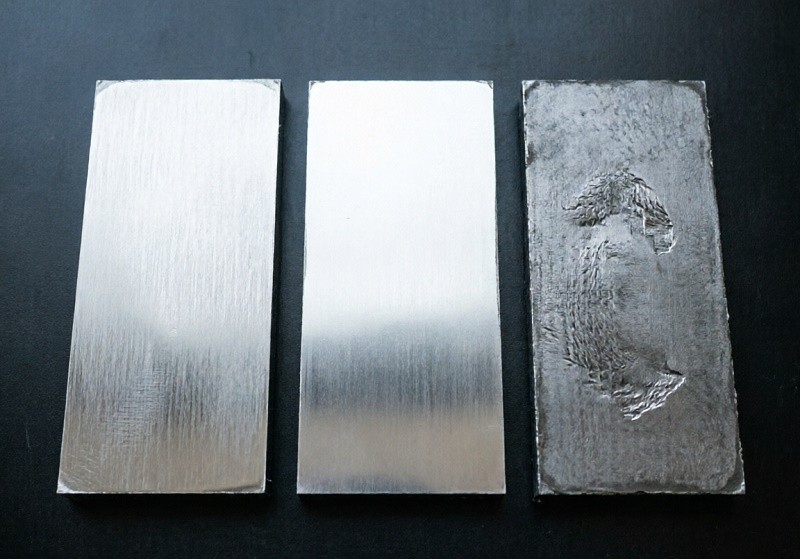
Passivation is a finishing process specifically for stainless steel. It is often misunderstood as a type of coating, but it is actually a cleaning and conditioning process. Passivation uses a mild acid bath (typically nitric or citric acid) to remove any free iron contamination left on the surface from cutting tools or handling. By removing this iron, the process enhances the natural chromium oxide passive layer, maximizing the inherent corrosion resistance of the stainless steel. It is a critical step for parts used in high-purity, medical, or corrosive environments.
Polishing and Brushed Finishes
These are mechanical finishes that alter the surface texture and appearance of the metal itself, rather than adding a coating.
- Polishing: Uses progressively finer abrasives to smooth the metal surface, creating a mirror-like, reflective finish. This not only looks good but also creates an extremely smooth surface that is easy to clean and less prone to bacterial growth, making it popular for hygienic applications.
- Brushed Finishes: Created by scoring the metal with an abrasive belt or wheel in a unidirectional pattern. This results in a satin-like finish with fine, parallel lines. It is very effective at hiding fingerprints and small scratches, making it a practical and popular choice for appliances, architectural elements, and high-traffic areas.
Matching Finish to Application
The final step is to select a finish that is perfectly matched to the product's intended use case, balancing protection, appearance, and cost.
Durability and Environmental Exposure
The severity of the environment is the primary driver for a protective finish.
- Indoor, controlled environment: A light coat of paint or a simple Zyrtec plating might be sufficient for a steel part.
- Outdoor, urban environment: A robust powder coat or hot-dip galvanizing would be a better choice to withstand humidity and rain.
- Marine or coastal environment: Only the most durable finishes will survive. For aluminum, this means a thick, high-performance anodized layer. For steel, it could mean a multi-layer system of zinc plating, an epoxy primer, and a polyurethane topcoat. For critical applications, using a material like 316 stainless steel from the outset may be the most reliable solution.
Aesthetic and Hygienic Requirements
For consumer products, appliances, and architectural features, appearance is just as important as protection. The choice between a high-gloss powder coat, a sleek brushed stainless steel, or a brightly colored anodized aluminum can define the product's identity and market appeal. In medical and food-grade applications, the requirements are even stricter. Finishes must be non-toxic, non-porous, and able to withstand harsh cleaning and sterilization cycles. Here, polished stainless steel and NSF-certified coatings are standard.
Conclusion
Selecting the ideal material and finish for your custom sheet metal fabrication project can feel complex, but it's a decision that dramatically impacts your product's success, performance, and cost. From the foundational strength and formability of the base metal to the protective and aesthetic qualities of the surface finish, every choice plays a critical role in the final outcome. By carefully considering the mechanical loads, environmental conditions, manufacturing processes, and budget constraints, you can navigate the vast landscape of available options to find the perfect solution.
By understanding the unique properties of different metals, considering the key factors we've discussed, and collaborating with an experienced supplier, you can ensure your components are optimized for performance, durability, and cost-effectiveness. A knowledgeable partner can provide invaluable guidance, helping you avoid common pitfalls and leverage the full potential of modern materials and manufacturing techniques. For expert guidance on your next project, consider engaging with a provider of Professional Custom Sheet Metal Fabrication Services. We encourage you to share this guide with your colleagues and reach out to our team to discuss how we can help bring your designs to life.