CNC Machining vs Sheet Metal Fabrication: Which Process Fits Your Design?
- Share
- publisher
- SOMI Custom Parts
- Issue Time
- Sep 8,2026
Summary
Compare CNC machining and sheet metal fabrication by geometry, tolerance, volume, cost, and application to choose the right process for your metal part.
CNC Machining vs Sheet Metal Fabrication: Which Process Fits Your Design?
Compare CNC machining and sheet metal fabrication by geometry, tolerance, volume, cost, and application to choose the right manufacturing process.
Introduction: Matching the Process to the Design
Two of the most common ways to produce custom metal parts are CNC machining and sheet metal fabrication. Both processes are versatile, widely available, and capable of high quality — but they are suited to very different geometries, volumes, and functional requirements.
Choosing the wrong process can lead to unnecessary cost, long lead times, or parts that do not meet tolerance expectations. This guide compares CNC machining and sheet metal fabrication across geometry, tolerance, volume, material, cost, and typical applications so you can make an informed decision for your next project.
What Is CNC Machining?
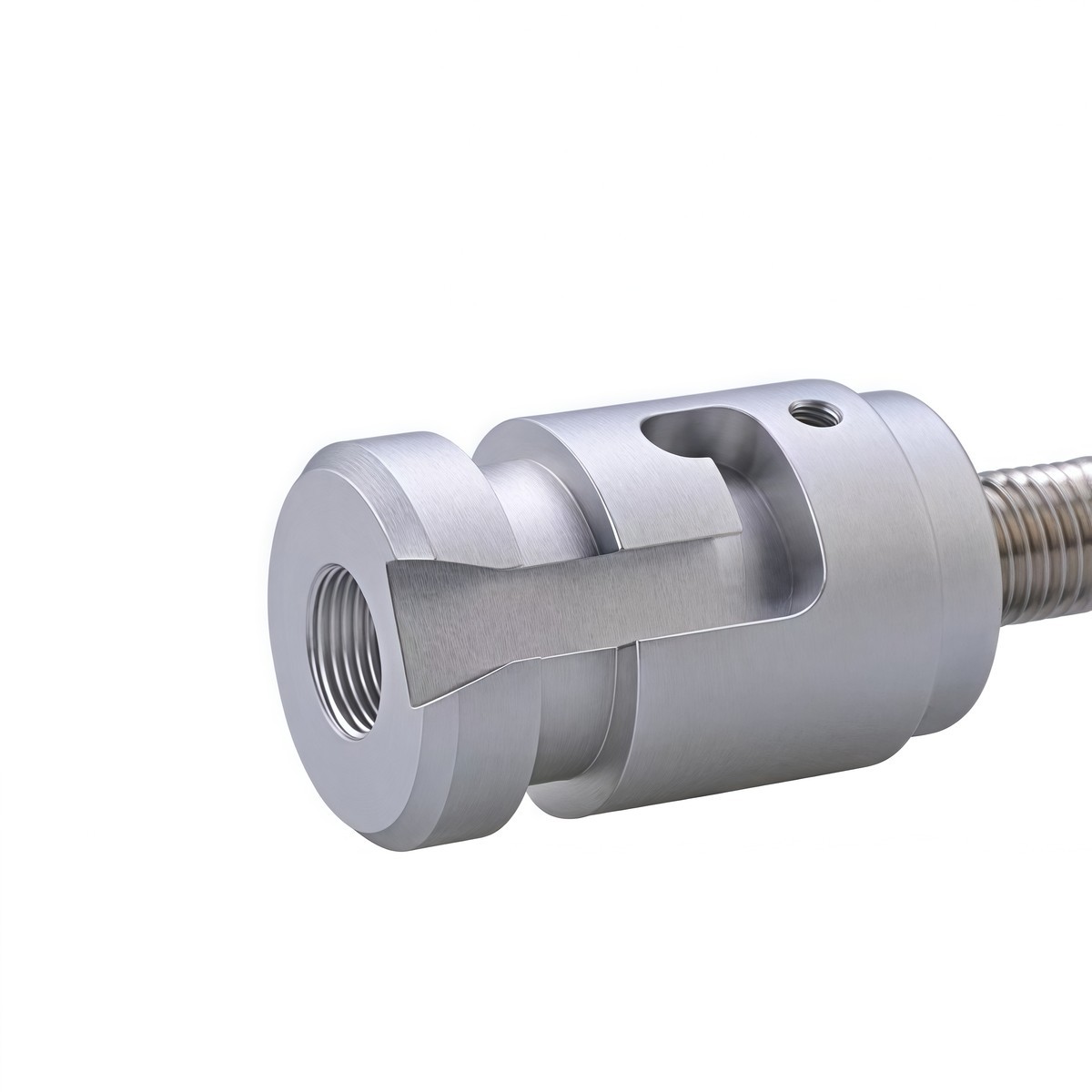
CNC machining is a subtractive process in which cutting tools remove material from a solid block, bar, or plate. Milling, turning, and drilling produce parts with complex 3D geometry, tight tolerances, and excellent surface finish. CNC is ideal for low-to-medium volumes, prototypes, and parts that require precise fits, threads, bores, or sculpted surfaces.
CNC machining produces solid, precise parts with complex 3D geometry.
What Is Sheet Metal Fabrication?
Sheet metal fabrication is a formative process. Flat sheets of metal are cut, bent, punched, stamped, and joined to create thin-walled parts such as enclosures, brackets, panels, and chassis. Common operations include laser cutting, bending on press brakes, punching, and welding. Sheet metal is typically most cost-effective for medium-to-high volumes of parts with uniform wall thickness.
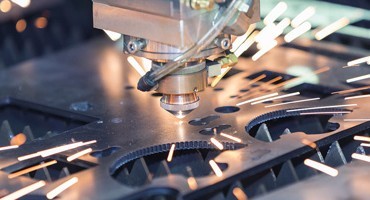
Sheet metal fabrication uses cutting, bending, and joining to create lightweight parts.
Head-to-Head Comparison
| Criteria | CNC Machining | Sheet Metal Fabrication |
|---|---|---|
| Process type | Subtractive (solid stock) | Formative (flat sheet) |
| Best geometry | Complex 3D, deep pockets, varying thickness | Boxes, brackets, panels, thin-walled forms |
| Wall thickness | Any solid block thickness | Typically 0.5–6 mm |
| Tolerance | ±0.01 to ±0.05 mm, tighter possible | ±0.1 to ±0.25 mm typical |
| Surface finish | Smooth machined surfaces, many finishing options | Grain, bend marks, laser edges, coatings |
| Tooling cost | No custom tooling for most geometries | $500–$5,000 for dies, fixtures |
| Volume sweet spot | 1–100 pieces; prototypes, low volume | 50+ pieces; cost advantage grows |
| Material efficiency | Higher waste from solid stock | More efficient use of flat sheet |
| Part weight | Solid, heavier, high stiffness | Lightweight, formed stiffeners |
When to Choose CNC Machining
CNC machining is usually the better choice when your part has one or more of the following characteristics:
- Complex 3D shapes, deep pockets, or internal features
- Threads, bores, or tight press-fit features
- Critical sealing or mating surfaces
- Varying wall thickness within a single part
- Low-to-medium volumes with frequent design changes
- Need for high stiffness and load-bearing capacity
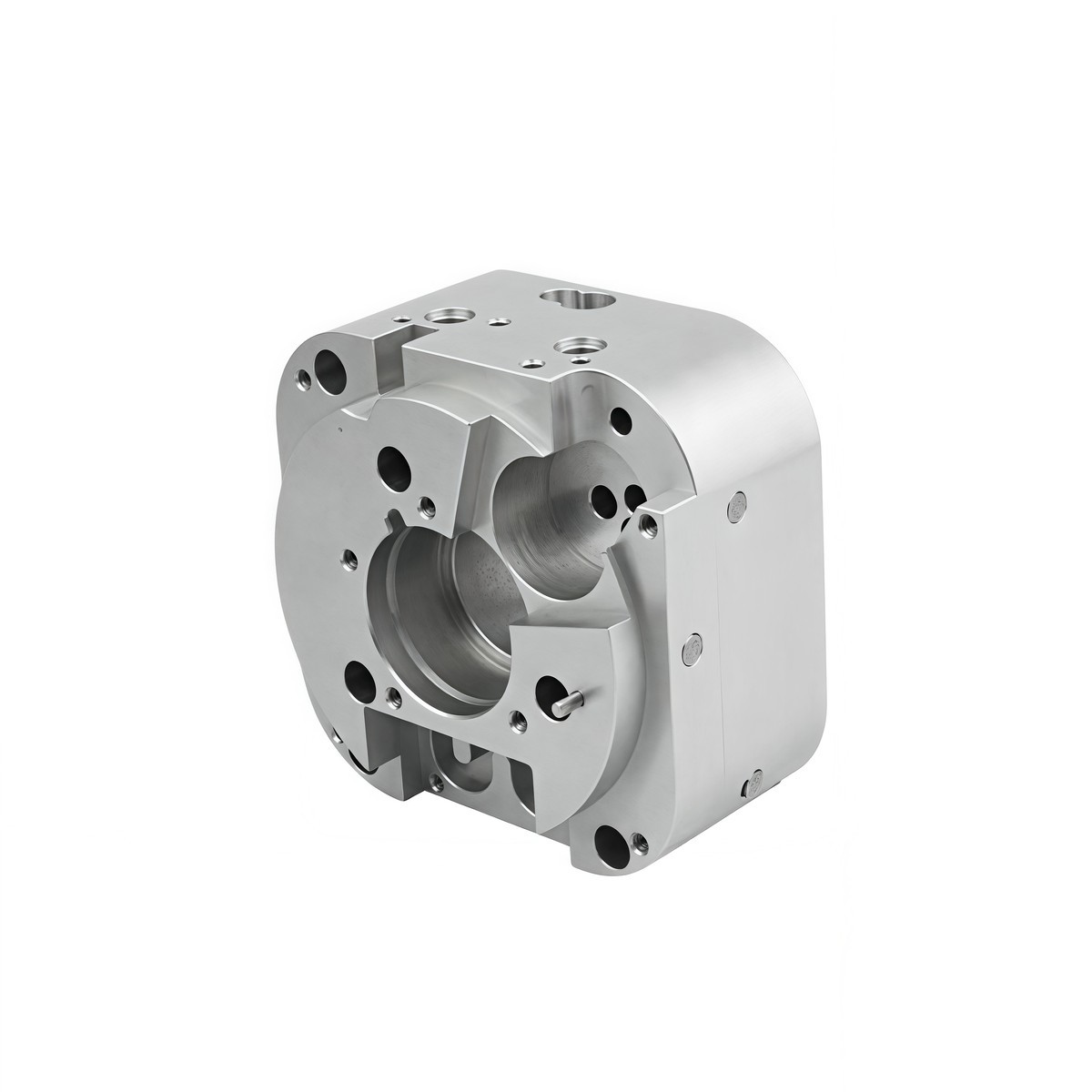
CNC machining is the right choice when precision, stiffness, and complex geometry are required.
When to Choose Sheet Metal Fabrication
Sheet metal fabrication is usually the better choice when your part looks like one of these:
- Enclosures, chassis, covers, or panels
- Brackets with consistent bend patterns
- Parts with vents, perforations, or access openings
- Lightweight structures with formed flanges
- Medium-to-high volumes where unit cost matters
- Assemblies using tabs, slots, rivets, or welds
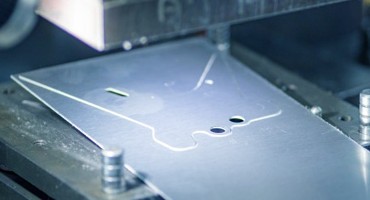
Sheet metal fabrication excels at lightweight panels, brackets, and enclosures.
Hybrid Solutions: The Best of Both
Many products combine both processes. For example, a sheet metal enclosure can include CNC-machined mounting inserts, threaded bosses, or sealing faces. The sheet metal provides a lightweight housing, while the machined components deliver the precision features. This hybrid approach can reduce cost and weight without sacrificing critical tolerances.
How SOMI Custom Parts Can Help
At SOMI Custom Parts, we offer both CNC machining and sheet metal fabrication, including laser cutting, bending, welding, and stamping. Our team can review your design and recommend the most cost-effective process — or a hybrid approach — based on your geometry, volume, and tolerance requirements.
If you are unsure whether CNC machining or sheet metal fabrication is right for your part, send us your drawing. We will evaluate material usage, tooling needs, tolerance requirements, and lead time to help you choose the right path.
Frequently Asked Questions
Which process is cheaper for prototypes?
CNC machining is usually more economical for 1–10 pieces because it requires no custom tooling. Sheet metal becomes cost-competitive at volumes above roughly 50 pieces.
Can sheet metal parts achieve tight tolerances?
Sheet metal typically achieves ±0.1 to ±0.25 mm on bent features. Hole positioning from laser cutting is usually tighter, around ±0.05 mm. For tighter tolerances, CNC machining is preferred.
Can SOMI produce parts that combine both processes?
Yes. We commonly produce sheet metal enclosures with CNC-machined inserts, mounting pads, and threaded bosses.
How do I decide between machining and fabrication?
Start with geometry. If the part is naturally a solid 3D component with precision features, choose CNC. If it is a thin, folded panel or box, choose sheet metal. Then refine based on volume, tolerance, and finish requirements.
Conclusion
CNC machining and sheet metal fabrication are both valuable manufacturing processes, but they serve different design philosophies. CNC machining delivers solid, precise, feature-rich parts, while sheet metal fabrication produces lightweight, scalable panels and enclosures. The right choice depends on your part geometry, production volume, tolerance needs, and budget.
When you are ready to source your next custom metal part, contact SOMI Custom Parts for process guidance and a competitive quote.