🌐 Electrophoretic Coating (E-Coating): Uniform Protection with Style
🧩 What Is E-Coating?
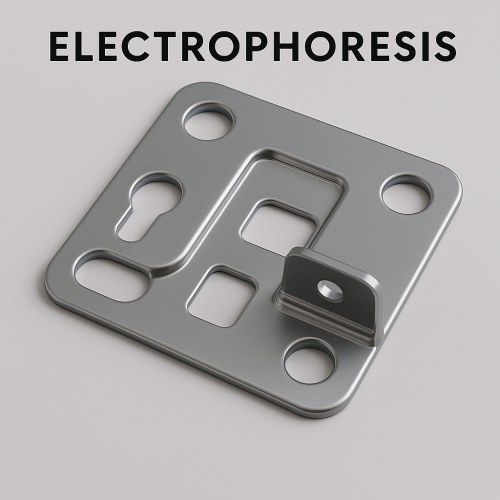
Electrophoretic coating, or e-coating, is a surface finishing process that uses electrical current to deposit paint particles onto a conductive substrate. It offers excellent corrosion resistance and a smooth, uniform finish.
🔁 Process Workflow
- Pretreatment – cleaning and degreasing
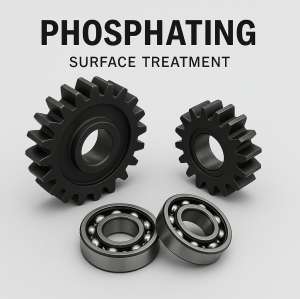
- Phosphating – optional adhesion enhancer
- E-Coating Bath – immersion in water-based paint
- Electrodeposition – electric charge attracts paint particles
- Rinsing – removes excess coating
- Curing – baking for durability
🧪 Types of E-Coating
| Type |
Description |
Ideal Use |
| Cathodic |
Paint deposited at negatively charged part |
Automotive, industrial components |
| Anodic |
Paint deposited at positively charged part |
Decorative, thin-film applications |
🎨 Color Options
| Standard Colors |
Specialty Colors |
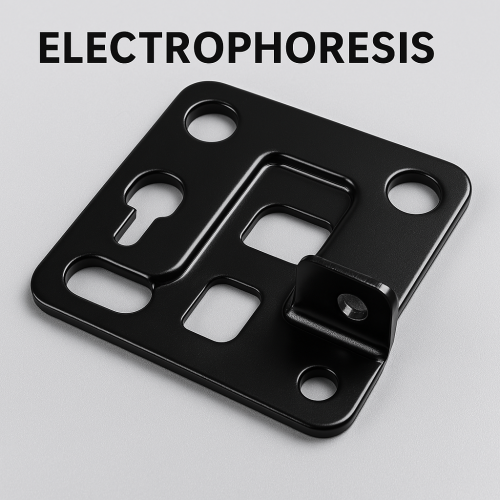
| Black | Glossy Silver |
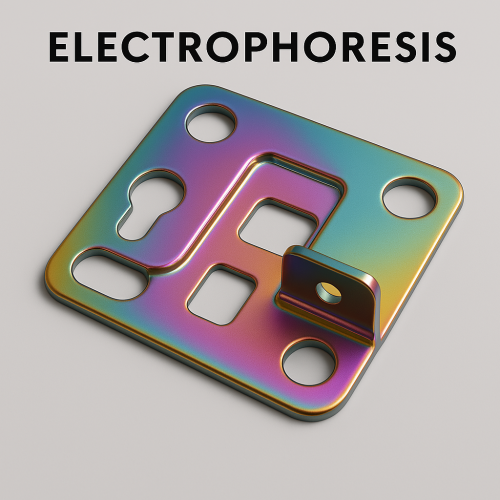
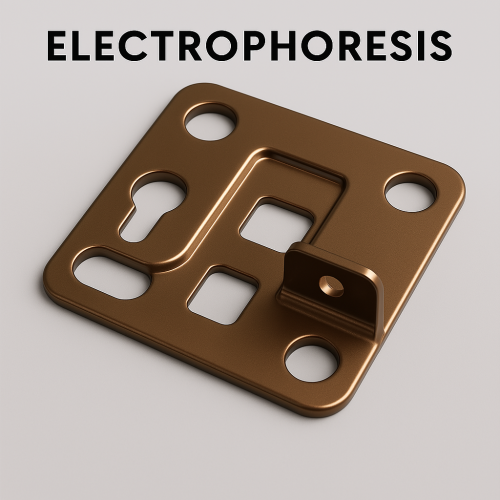
| Grey | Satin Bronze |
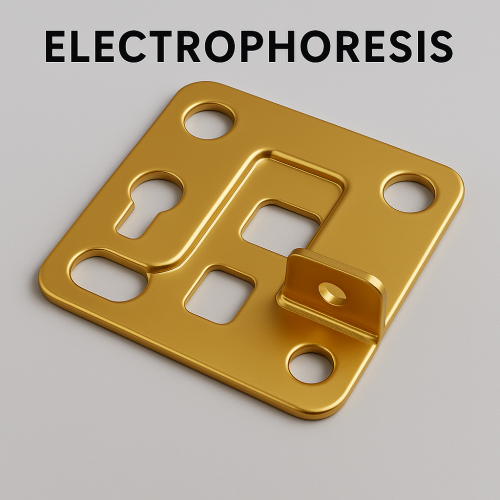
| White | Champagne Gold |
| Clear Coating | Custom Pigments |
🎯 Application Areas
- 🚗 Automotive – brackets, body panels
- 🔌 Electronics – enclosures, connectors
- 🏠 Appliances – frames, handles
- 🪑 Furniture – metal legs, supports
💡 Technical Features
- Uniform coverage, even in recesses
- Excellent corrosion resistance
- Eco-friendly water-based process
- Strong adhesion for topcoats
🔍 Pros vs. Cons
| Advantages |
Limitations |
| Smooth, even finish | Requires conductive substrate |
| Durable protection | Immersion-based only |
| Eco-conscious process | Setup complexity |
| Scalable for mass production | Limited to certain geometries |
🛠️ Compatible Materials
Suitable: Steel, aluminum, zinc, copper alloys, conductive plastics
Not Recommended: Non-conductive plastics, rubber, porous metals
💬 SOMI’s Signature Coating Innovation
At SOMI, our e-coating solutions combine performance, protection, and visual appeal. Whether for industrial strength or sleek design, we deliver coatings that elevate your components.