What is Powder Coating Surface Treatment? A Popular and Durable Finish
- Share
- Issue Time
- Apr 1,2026
Summary
Powder coating is a dry, eco-friendly metal finish. Applied electrostatically and heat‑cured, it forms a tough, chip‑resistant, long‑lasting layer ideal for automotive, construction and home goods.
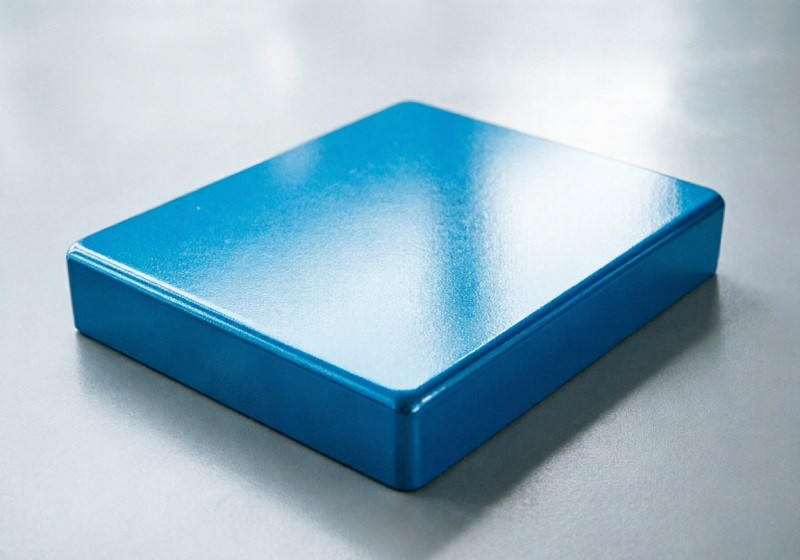
I'm excited to share insights into a finishing technique that's revolutionizing industries: powder coating. It’s a popular and durable finish that offers robust protection and significant aesthetic appeal for a vast array of metal surfaces. Understanding the nuances of Powder Coating surface treatment can dramatically elevate the longevity and appearance of countless items, transforming ordinary metals into remarkably durable and attractive objects. This process isn't just a coat of paint; it's an advanced finishing technology that provides a superior, long-lasting barrier.
This comprehensive guide will explore what powder coating is, detail its application process from start to finish, highlight its diverse uses, and explain why it has become the preferred choice for manufacturers and consumers who value quality, efficiency, and environmental responsibility.
What is Powder Coating Surface Treatment?
Powder coating is a high-quality finishing process that has gained immense popularity for its durability and aesthetic versatility. Unlike traditional liquid paints that rely on solvents, powder coating is a dry finishing process. It involves applying a free-flowing, dry powder to a surface, which is then heated—or cured—to form a hard, protective layer that is much tougher than conventional paint. This method is renowned for creating thick, uniform coatings without the risk of running or sagging, a common issue with liquid-based applications.
The powder itself is a sophisticated mixture, typically composed of polymer resins, pigments, curatives, leveling agents, and various other additives. These ingredients are melt-mixed, cooled, and then ground into a fine, flour-like powder. This composition is key to its outstanding performance, providing excellent resistance to corrosion, heat, impact, and abrasion.
The Basics of Powder Coating Surface Treatment
At its core, powder coating is a tale of two key elements: a specialized dry powder and the clever use of electrostatics. The process fundamentally changes how we think about applying a finish. Instead of a liquid carrier that evaporates, powder coating uses charged particles and heat to create a seamless, resilient skin over the substrate, making it a cornerstone of modern industrial finishing.
A Dry Finishing Process for Enhanced Durability
Powder coating is fundamentally a dry finishing process, which sets it apart from traditional liquid painting. This distinction is crucial because the absence of a liquid carrier, like a solvent, eliminates many issues associated with wet paint, such as drips, sags, and long drying times. The powder used is typically a thermosetting or thermoplastic polymer. Thermoset powders, which include types like epoxy and polyester, undergo a chemical reaction when heated. This reaction, known as cross-linking, creates a strong, irreversible bond that makes the finish highly resistant to heat and chemicals. Thermoplastic coatings, on the other hand, melt and flow when heated but don't cross-link, allowing them to be remelted and reformed.
The result of this dry, heat-cured process is a finish renowned for its strength. It creates a thick, dense coating in a single application, offering superior durability compared to the multiple coats often required with liquid paint. This toughness translates into exceptional resistance against chipping, scratching, and general wear and tear, making it an ideal choice for products that endure rough use. In fact, a high-quality powder-coated finish can last for up to 15 to 20 years, depending on its composition and application environment.
How Electrostatic Application Works in Powder Coating Surface Treatment
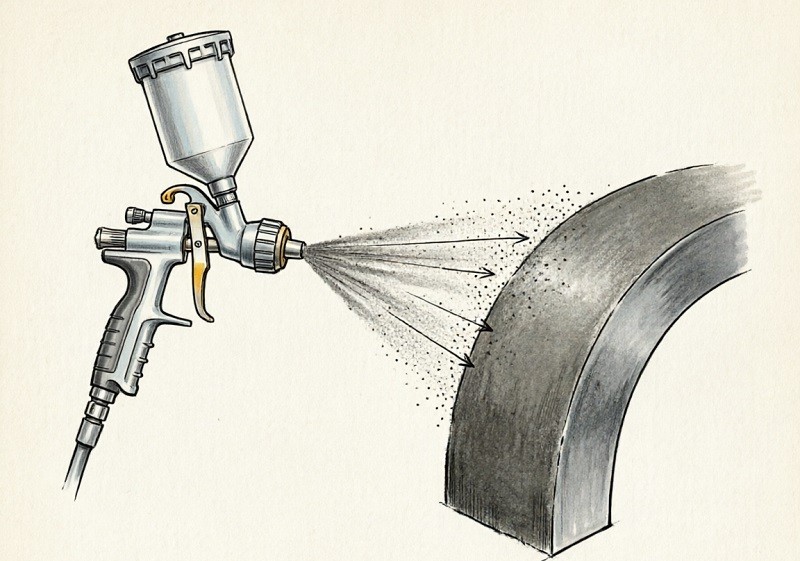
The magic behind powder coating's uniform and efficient application lies in a process called electrostatic spray deposition (ESD). This method uses the simple principle of "opposites attract" to achieve a flawless finish. The process starts with loading the fine powder into a special spray gun.
Here’s a breakdown of how it works:
- Charging the Powder: As the powder passes through the spray gun, it is given a strong electrostatic charge (usually negative). This is typically achieved using a high-voltage, low-amperage field in what's known as a corona gun, or through friction in a tribo gun.
- Grounding the Part: The metal object to be coated is electrically grounded, giving it a positive charge.
- Attraction and Adhesion: When the negatively charged powder is sprayed towards the grounded part, the particles are electrostatically drawn to its surface. This attraction is so effective that it pulls the powder into corners and crevices, an action known as the "wrap-around" effect, ensuring comprehensive and even coverage.
- Curing: The powder-covered object is then moved into a curing oven. The heat melts the powder, allowing it to flow together and form a smooth, continuous film before hardening into the final durable coating.
This electrostatic process is incredibly efficient, minimizing overspray and waste because the charged particles are naturally drawn only to the grounded target surface. This precision and efficiency are why electrostatic application is the most common and effective method for powder coating.
Why Powder Coating Surface Treatment is Preferred
Powder coating has become the finish of choice across numerous industries for a host of compelling reasons. It represents a significant upgrade over traditional liquid paints, offering a trifecta of benefits: superior performance, environmental responsibility, and aesthetic quality. Manufacturers and consumers alike prefer it for its ability to deliver a finish that not only looks great but also stands up to the rigors of daily use and harsh environmental conditions.
Its advantages are not just superficial; they impact everything from product lifespan and maintenance costs to environmental compliance and production efficiency.
Superior Resistance Compared to Traditional Paints
One of the most significant advantages of powder coating is its exceptional durability and resistance to damage. The heat-curing process creates a chemical bond between the powder and the metal surface, resulting in a finish that is significantly tougher than conventional paint. This thermosetting process forms a polymer matrix that is highly resistant to chipping, scratching, and abrasion. Where liquid paint might easily show wear from daily use or impacts, a powder-coated surface maintains its integrity, making it ideal for high-traffic items like automotive parts, industrial equipment, and outdoor furniture.
Beyond physical damage, powder coating offers excellent resistance to environmental factors. Formulations are available that provide superior UV resistance, which means colors stay vibrant and are far less likely to fade even after prolonged sun exposure. It also creates a dense, non-porous surface that acts as a powerful barrier against moisture and chemicals, drastically reducing the risk of corrosion and rust. Traditional paints are more prone to cracking or allowing moisture to seep through, leading to substrate degradation over time. Because of its resilience, a powder-coated product can last for decades with minimal maintenance, a stark contrast to painted surfaces that often require re-coating every few years.
Here is a comparative overview:
| Feature | Powder Coating | Traditional Liquid Paint |
|---|---|---|
| Durability | High resistance to chipping, scratching, and abrasion. | More susceptible to physical damage like scratches and flakes. |
| Adhesion | Stronger bond to the substrate due to electrostatic application and curing. | Adhesion relies on solvents and can be weaker over time. |
| Corrosion Resistance | Excellent; creates a dense, non-porous barrier. | Variable; prone to cracking, which lets in moisture. |
| UV Resistance | High; specially formulated powders resist fading and maintain color. | Fades more quickly with prolonged sun exposure. |
| Thickness | Achieves a thicker, more uniform coating in a single application without running. | Thinner layers are required to avoid drips, often needing multiple coats. |
| Longevity | Can last up to 20 years or more, even with UV exposure. | Often requires repainting every few years to maintain appearance and protection. |
Environmental Benefits of Powder Coating Surface Treatment
In an era of increasing environmental awareness, powder coating stands out as a "green" technology. Its most significant environmental advantage is the near-zero emission of Volatile Organic Compounds (VOCs). Traditional solvent-based liquid paints contain VOCs, which are harmful pollutants that evaporate into the atmosphere during the curing process, contributing to air pollution and potential health risks. Since powder coating is a dry process and uses no solvents, it eliminates the release of these hazardous compounds.
Waste reduction is another key environmental benefit. The electrostatic application process is highly efficient, but any overspray can be collected, filtered, and reused. This reclamation process allows for material utilization rates of nearly 100%, drastically minimizing the amount of waste generated compared to liquid paint systems where overspray is lost. The small amount of powder waste that cannot be reused is non-hazardous and can be disposed of in a standard landfill. This contrasts sharply with the disposal of solvent-based paint waste, which often requires special, costly hazardous waste procedures.
Furthermore, the overall carbon footprint of powder coating is often lower. Energy can be saved because the exhausted air from a spray booth can be recirculated back into the facility, reducing the costs associated with heating or cooling makeup air. Solvent-based paint operations, however, must exhaust large volumes of air to prevent the buildup of explosive fumes, which is far more energy-intensive. By choosing powder coating, businesses not only select a durable finish but also align with sustainable manufacturing practices.
The Powder Coating Surface Treatment Process: From Preparation to Curing
Achieving a high-quality, long-lasting powder-coated finish is a systematic process that relies on precision at every stage. From the initial preparation of the surface to the final curing of the powder, each step is critical to ensuring the coating's adhesion, durability, and aesthetic appeal. This multi-stage process transforms a raw metal object into a finished product with a resilient and visually stunning surface.
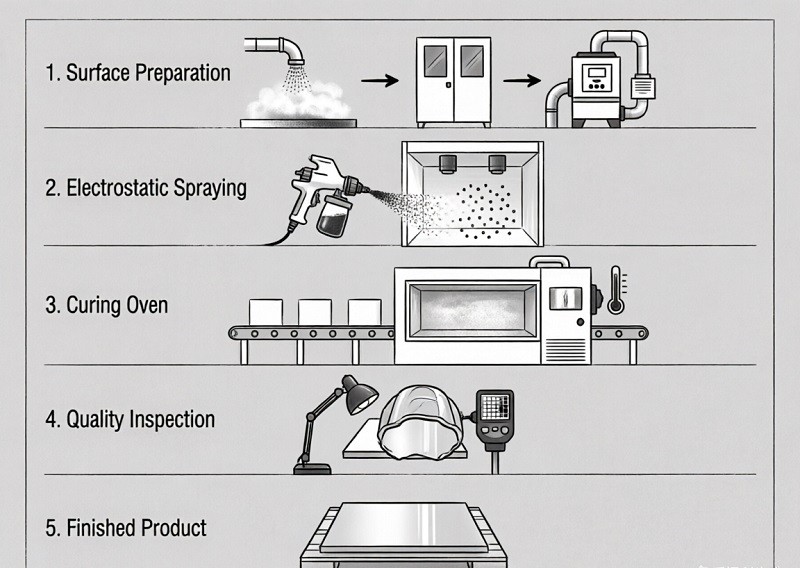
The entire journey can be broadly divided into three main phases: meticulous surface preparation, precise powder application, and controlled thermal curing. Neglecting any of these stages can compromise the final quality, leading to defects or premature failure of the coating. Understanding this process provides insight into why powder coating delivers such superior results.
Crucial Steps in Effective Powder Coating Surface Treatment
The success of any powder coating job hinges on a series of crucial, well-executed steps. It's not as simple as just spraying powder onto a part. The foundation for a perfect finish is laid long before the powder is even applied, and the methods used during application directly influence the uniformity and efficiency of the coating. These initial stages are where quality is truly born.
Surface Preparation as the Foundation for Powder Coating Surface Treatment
Surface preparation is arguably the most critical step in the entire powder coating process. A pristine, properly prepared surface is essential for achieving maximum adhesion and corrosion resistance; without it, even the best powder can fail. The goal of preparation is to remove all contaminants—such as oils, grease, dirt, rust, and old paint—and to create an optimal surface profile for the powder to grip onto.
The preparation process typically involves several stages:
- Cleaning: The first action is a thorough cleaning to remove organic soils like oil and grease. This is often done using alkaline or neutral detergents in dip tanks or multi-stage wash stations.
- Rinsing: After cleaning, the part is rinsed, usually with water, to remove any residual cleaning agents.
- Mechanical Preparation (Abrasion): For many surfaces, a mechanical cleaning method like sandblasting or media blasting is used. This process strips away inorganic contaminants like rust, scale, and old coatings while also creating a slightly textured or "etched" surface. This textured profile significantly increases the surface area, promoting better mechanical adhesion of the powder.
- Chemical Pretreatment: This is a crucial step for enhancing corrosion protection and adhesion. The part is treated with a chemical solution that creates a conversion coating. Common methods include iron phosphate for steel and zinc phosphate for galvanized or steel substrates, which provide excellent corrosion resistance. For aluminum, chromate conversion coatings are traditional, though more environmentally friendly, chrome-free alternatives are now widely used. This chemical layer acts as a perfect intermediary between the metal and the powder coating.
- Drying: Before the powder can be applied, the part must be completely dry. Any remaining moisture can cause surface defects in the final finish. Parts are typically passed through a dry-off oven to ensure all moisture is evaporated.
For areas that must remain uncoated, such as threaded holes or contact points, masking is applied during this stage. High-temperature tapes, plugs, and custom masks are used to protect these specific areas from being coated.
Application Methods for Powder Coating Surface Treatment
Once the surface is flawlessly prepared, the powder is applied. There are a few different methods for application, but the choice depends on the part's geometry, the desired thickness, and production volume.
The two main categories of application are spraying and dipping:
Electrostatic Spraying: This is the most prevalent method used in the industry today. The process involves using a specialized spray gun to electrostatically charge the powder particles as they are propelled toward the grounded workpiece. The electrostatic attraction creates a uniform layer of powder that clings to the surface until it can be cured. There are two common types of electrostatic guns:
- Corona Guns: These are the most widely used guns. They generate a high-voltage, low-amperage electrostatic field that creates an ion field (the corona) between the gun's electrode and the part. As powder particles pass through this field, they become charged and are deposited onto the grounded surface.
- Tribo Guns: This type of gun charges the powder through friction. The powder gains a charge as it rubs against the inside of a Teflon tube within the gun barrel. Tribo guns can be advantageous for coating complex shapes as they are less susceptible to the "Faraday cage effect," where the electric field struggles to penetrate into deep corners and recesses.
Fluidized Bed Application: This method does not always rely on electrostatics and is ideal for achieving very thick, functional coatings. The process involves a tank filled with powder that is "fluidized" by forcing air through a porous bottom plate, causing the powder to behave like a liquid.
- Standard Fluidized Bed: The part is preheated to a temperature above the powder's melting point and then dipped into the fluidized bed. The powder melts and fuses onto the hot surface. The thickness of the coating is determined by the part's temperature and the duration it spends in the bed.
- Electrostatic Fluidized Bed: This is a hybrid method that combines principles from both techniques. The fluidized powder is given an electrostatic charge, which creates a cloud of charged powder above the bed. The grounded part is then passed through this cloud, and the powder is attracted to its surface without the need for preheating.
While spraying is more common for decorative and standard protective finishes, the fluidized bed method is excellent for applications requiring heavy-duty protection, such as coating electrical components or industrial valves.
Ensuring Quality and Durability in Powder Coating Surface Treatment
Applying the powder is only half the battle. To transform the soft, powdery layer into the rock-hard, durable finish that powder coating is famous for, two final stages are absolutely critical: curing and quality control through measurement. These steps ensure that the coating not only looks perfect but also delivers the high-performance characteristics expected of it. Without proper execution in this final phase, the integrity and longevity of the finish would be severely compromised.
The Role of Curing in Powder Coating Surface Treatment
Curing is the transformative stage where the applied dry powder becomes a solid, durable coating. The process involves heating the coated object in a specialized industrial oven to a specific temperature for a set amount of time. During this thermal process, a remarkable chemical and physical transformation occurs.
The stages of curing are:
- Melt: As the part heats up, the individual powder particles melt into a liquid state.
- Flow: The molten powder flows together, smoothing out to form a continuous, even film over the entire surface of the part.
- Cross-Linking (for Thermoset Powders): This is the most critical phase. The heat acts as a catalyst, initiating a chemical reaction between the resin and curing agents in the powder. This reaction, known as cross-linking, builds a complex and robust polymer network, much like weaving individual threads into a strong fabric.
- Solidification: Once the cross-linking is complete, the part is cooled, and the film solidifies into the hard, durable, and highly-resistant finish associated with powder coating.
The exact temperature and time required for curing depend on the specific powder chemistry, the thickness of the coating, and the mass and shape of the part itself. Typically, curing temperatures range from 150°C to 200°C (302°F to 392°F), with a duration of 10 to 20 minutes once the part reaches the target temperature. Failure to achieve the correct temperature for the required duration can result in an under-cured coating with poor adhesion and low durability, while over-curing can cause discoloration and brittleness.
There are two primary types of curing ovens used:
- Convection Ovens: These are the most common type and work by circulating heated air to raise the temperature of the part and the powder. They are versatile and excellent for parts with complex shapes, as the hot air can reach all surfaces.
- Infrared (IR) Ovens: These ovens use infrared emitters to transfer radiant energy directly to the coating. This method can be much faster and more energy-efficient, especially for flat parts or very heavy items, as it heats the surface directly without needing to heat the entire mass of the object. Hybrid ovens that combine both IR and convection technologies are also used to optimize the curing process for varied product lines.
Thickness and Measurement in Powder Coating Surface Treatment
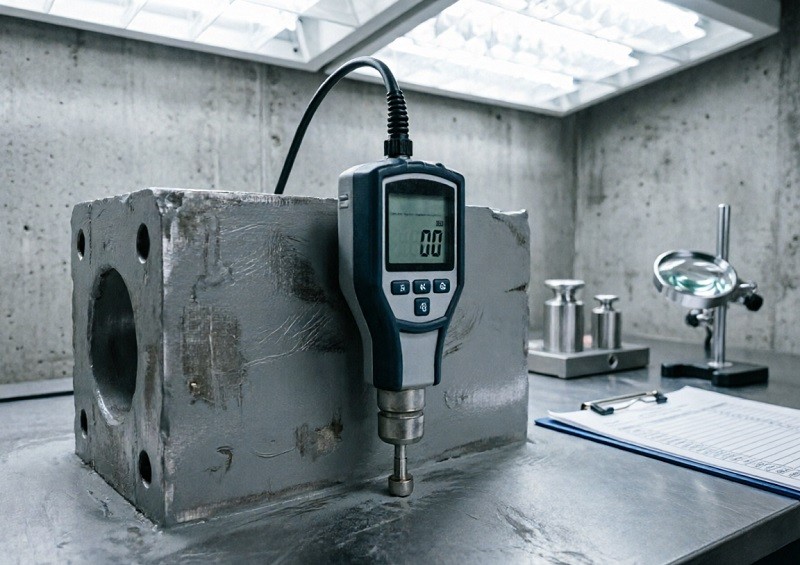
Controlling the thickness of the powder coating is vital for ensuring both its aesthetic quality and its functional performance. The dry film thickness (DFT) affects durability, impact resistance, flexibility, and corrosion protection. If the coating is too thin, it may not provide adequate protection and could show the substrate through the finish. If it's too thick, it can lead to problems like "orange peel" (a bumpy texture), brittleness, and an increased risk of chipping.
Industry standards typically specify a DFT range for different applications, often between 60 and 120 micrometers (µm), or about 2.4 to 4.7 mils. Measuring this thickness accurately is a key part of the quality control process.
Thickness can be measured at two different stages:
- Before Curing (Uncured Powder): It's beneficial to measure the powder thickness before it's cured to make immediate adjustments. This is done using tools like a powder comb gauge. This simple tool has teeth of varying lengths and is gently pressed into the uncured powder to give an approximate measurement.
- After Curing (Dry Film Thickness): This is the final and most precise measurement. It is performed non-destructively using electronic coating thickness gauges. These devices work on different principles depending on the substrate:
- For Ferrous Metals (like steel): Gauges use magnetic induction to measure the thickness of the non-magnetic coating layer.
- For Non-Ferrous Metals (like aluminum): Gauges use an eddy current principle to measure the thickness of the non-conductive coating.
Modern digital gauges are highly accurate, can measure in both micrometers (µm) and mils, and often come with features for statistical analysis, making them essential tools for any professional powder coater. By constantly measuring and controlling the coating thickness, applicators can guarantee a consistent, high-quality finish on every part.
Diverse Applications and Advantages of Powder Coating Surface Treatment
The exceptional durability, environmental friendliness, and aesthetic flexibility of powder coating have made it a go-to finishing solution across a vast spectrum of industries. Its ability to create a tough, attractive finish on metal parts has led to its adoption in applications ranging from everyday consumer goods to heavy-duty industrial machinery. The advantages extend far beyond a simple protective layer; powder coating offers a holistic value proposition that includes long-term cost savings, design freedom, and enhanced product longevity. This versatility is a primary reason for its ever-growing popularity in modern manufacturing.
Where Powder Coating Surface Treatment Shines
Powder coating proves its value most clearly in applications where durability and appearance are paramount. It thrives in environments where coated products are exposed to weather, frequent handling, chemicals, or corrosive elements. Its unique combination of strength and beauty allows it to serve both functional and decorative purposes with equal success, making it the preferred finish for thousands of products we interact with daily.
Industrial and Commercial Uses of Powder Coating Surface Treatment
Powder coating is a workhorse in the industrial and commercial sectors, where performance under stress is non-negotiable. Its applications are extensive and continually growing.
- Automotive Industry: This is one of the largest markets for powder coating. It's used on everything from wheels, bumpers, and door handles to chassis, frames, and even engine components. A clear powder topcoat is also used over liquid basecoats on car bodies to add a layer of robust protection.
- Architecture and Construction: The weather resistance of powder coating makes it ideal for building materials. It's found on aluminum extrusions for window and door frames, metal roofing, railings, fences, and structural components. Public fixtures like guardrails, light poles, and signs are also commonly powder-coated for longevity.
- Appliance Manufacturing: The appliance industry relies heavily on powder coating for its ability to provide a finish that is both attractive and resistant to scratches, chemicals, and temperature changes. It's used on the front and side panels of refrigerators, washer lids and drums, dryer drums, air conditioner cabinets, and microwave oven cavities.
- Industrial Equipment and Machinery: For heavy-duty machinery exposed to harsh conditions, powder coating provides essential protection. Agricultural equipment like tractors and plows, as well as construction machinery such as bulldozers and cranes, are coated to prevent rust and withstand wear and tear. It's also used on industrial pipes, valves, and fittings.
- Furniture and Everyday Products: From metal office furniture like desks and filing cabinets to outdoor patio sets and playground equipment, powder coating provides a durable, easy-to-clean, and attractive finish. It is also found on countless consumer goods, including lighting fixtures, bicycles, exercise equipment, and even strollers.
Versatility Across Various Materials with Powder Coating Surface Treatment
While powder coating is most famously associated with metals, technological advancements have significantly broadened the range of materials that can be successfully coated. The primary requirement is that the substrate must be able to withstand the curing temperature.
Metals: This remains the most common category. Virtually any metal that can hold an electrostatic charge can be powder coated. This includes:
- Steel and Stainless Steel: Used for everything from industrial parts to high-end appliances.
- Aluminum: Its lightweight and corrosion-resistant properties make it a perfect partner for powder coating, especially in architectural and automotive applications.
- Brass, Copper, and Titanium: Often used for decorative items, hardware, and specialized components where both aesthetics and protection are important.
Non-Metal Substrates: The development of low-temperature and UV-curable powders has opened the door to coating heat-sensitive materials. This is a rapidly growing area of innovation.
- Medium-Density Fiberboard (MDF): Widely used in furniture, cabinetry, and retail displays, MDF can now be powder coated. The process often involves preheating to draw out some moisture, making the surface temporarily conductive enough for electrostatic application.
- Plastics and Composites: Certain plastics and composite materials that can handle lower curing temperatures are now being powder coated. This is common in the automotive industry for interior parts and in electronics for casings.
- Glass and Ceramics: These non-conductive materials can be powder coated using a "hot flocking" method. The object is preheated, and when the powder is sprayed onto the hot surface, it melts on contact and adheres.
This expanding versatility ensures that the benefits of powder coating—durability, quality, and sustainability—can be applied to an ever-wider array of products and industries.
Beyond Durability: The Comprehensive Benefits of Powder Coating Surface Treatment
While its toughness is legendary, the advantages of powder coating go much deeper. It presents a comprehensive value proposition that addresses cost, longevity, and design freedom. These benefits make it not just a technically superior choice, but also a smart economic and creative decision for manufacturers and product designers. The ability to achieve a beautiful, long-lasting finish efficiently and with immense design flexibility is what truly rounds out its appeal.
Cost-Effectiveness and Longevity with Powder Coating Surface Treatment
While the initial investment in powder coating equipment can be higher than that for traditional painting, it proves to be the more cost-effective solution in the long run. The economic benefits are rooted in its efficiency, durability, and reduced need for maintenance.
Here’s how powder coating saves money over time:
- Material Efficiency: The ability to reclaim and reuse overspray results in material utilization rates approaching 98%. In contrast, liquid paint systems can lose a significant amount of product to overspray, which cannot be recovered. This high transfer efficiency directly reduces raw material costs.
- Reduced Labor and Time: Powder coating typically achieves a thick, complete finish in a single coat, whereas liquid paint often requires multiple coats with drying time in between. The rapid curing process further streamlines production, increasing throughput and lowering labor costs per unit.
- Lower Maintenance and Replacement Costs: The superior durability of powder coating means products last longer and require far less maintenance. Surfaces are resistant to chipping, scratching, and fading, which eliminates the need for frequent touch-ups or complete re-coatings. This extended product lifecycle is a major contributor to long-term savings.
- Reduced Regulatory and Disposal Costs: Because powder coating is VOC-free, it helps companies meet environmental regulations more easily, avoiding potential fines and the high costs of air pollution control equipment. Furthermore, its minimal waste is non-hazardous, which simplifies and cheapens disposal compared to solvent-based paint sludge.
Longevity is a hallmark of powder coating. A properly applied finish can maintain its integrity and appearance for decades, ensuring that products not only perform well but also retain their value over a much longer period than their painted counterparts.
Aesthetic Flexibility in Powder Coating Surface Treatment
Beyond its functional benefits, powder coating offers tremendous aesthetic freedom, allowing designers and manufacturers to achieve a vast array of looks. The technology has evolved to provide a finish for nearly any design vision, setting it apart from the often more limited options of other coating methods.
The aesthetic versatility of powder coating is evident in several areas:
- Immense Color Selection: Powder coatings are available in thousands of standard colors, and custom colors can be formulated to match specific branding needs. Color-matching systems, such as RAL, ensure consistency across different production runs. The spectrum ranges from bold, vibrant hues to subtle, earthy tones.
- Variety of Finishes and Gloss Levels: The final appearance can be tailored with a wide range of finishes. Gloss levels can be specified from a high gloss (over 90%) for a bright, reflective look to a completely flat matte (under 10%) for an understated, modern feel. Satin and semi-gloss finishes offer a popular middle ground.
- Rich Textures and Special Effects: Powder coating is not limited to smooth surfaces. A variety of textures can be created, which can add visual depth and also help hide surface imperfections. Popular textures include wrinkled, sandy, and hammered finishes. Furthermore, a dazzling array of special effects is possible:
- Metallics: Finishes that mimic the look of metals like silver, gold, and bronze.
- Pearlescents: Coatings that have a subtle, iridescent shimmer.
- Translucents/Candies: These are clear or tinted topcoats that create a deep, rich color by showing a polished or metallic base layer underneath.
- Antique Finishes: These often combine a base color with a secondary color to create an aged or rustic appearance.
This incredible range of customizable colors, textures, and effects empowers designers to enhance the visual appeal of their products without compromising on the legendary durability and protection that powder coating provides.
Conclusion
In conclusion, powder coating surface treatment offers a superior, durable, and environmentally friendly solution for protecting and enhancing metal surfaces in a wide range of applications. Through its unique process of electrostatic application and thermal curing, it creates a finish that is tougher, thicker, and more resilient than traditional liquid paints. From industrial machinery and automotive parts to architectural elements and everyday consumer goods, its impact is seen across countless industries. The significant advantages in terms of resistance to chipping, scratching, corrosion, and UV fading make it an unparalleled choice for applications demanding high performance.
By choosing powder coating surface treatment, you're investing in a finish that provides unmatched longevity, aesthetic versatility, and robust protection against the elements. Its environmental benefits, including the absence of harmful VOCs and the ability to recycle overspray, align perfectly with modern sustainability goals. The comprehensive benefits—spanning from long-term cost-effectiveness to a nearly limitless palette of colors and textures—solidify its position as a forward-thinking technology. If you have any experience with powder coating or questions about its application, please share your thoughts in the comments below. We encourage you to share this article with others who may be interested in this advanced finishing technology