Understanding the Essentials of Battery Cell Integration for Modern Wholesale Battery Box Suppliers
- Share
- Issue Time
- May 6,2026
Summary
A guide for wholesale battery box suppliers covering battery cell integration, including S/P configuration, authentic cell sourcing, BMS selection, pure nickel strips, assembly, safety and quality control.
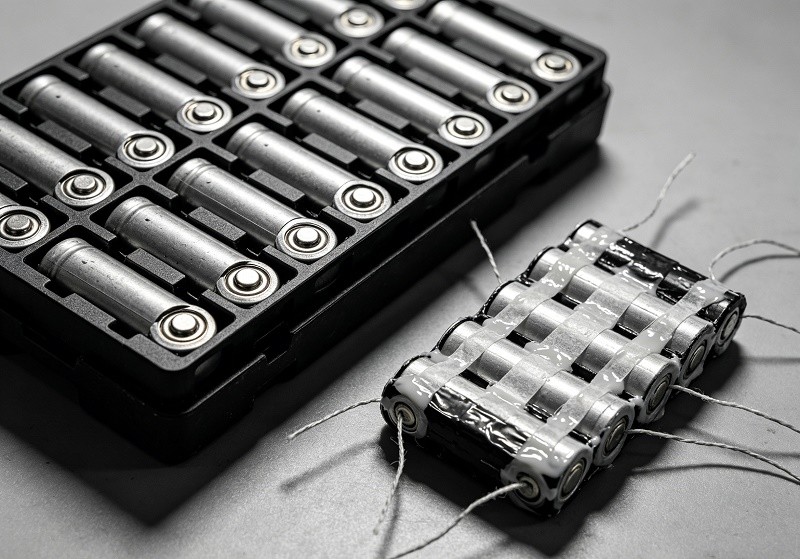
As a Wholesale Battery Box Supplier, we understand that the heart of any reliable energy storage solution lies in its expertly integrated battery cells. Our commitment to quality and safety begins with a deep dive into the fundamentals of battery pack construction. Delivering top-tier battery boxes to our clients means mastering every step, from selecting the right components to precise assembly techniques. We're here to share our insights on building battery packs that consistently perform. Join us as we explore the essential stages of battery cell integration, crucial knowledge for any professional in the energy storage industry committed to excellence and customer satisfaction.
Mastering Cell Configuration: The Foundation for Every Wholesale Battery Box Supplier
The performance, safety, and lifespan of a battery pack are not determined by chance; they are engineered from the very first decision: cell configuration. This fundamental step involves arranging individual cells in series and parallel to meet specific voltage, capacity, and power-delivery targets. For any Wholesale Battery Box Supplier, a deep understanding of this process is non-negotiable, as it directly impacts the final product's suitability for its intended application, whether it's for a high-powered electric vehicle or a long-duration home energy storage system. A miscalculation here can lead to underperformance, premature failure, or even a hazardous thermal event. Therefore, mastering the layout of cells is the bedrock upon which every safe and reliable battery box is built.
Understanding 'S' and 'P' Numbers for Wholesale Battery Box Suppliers
When examining a battery pack's specifications, you will inevitably encounter a designation like "13S5P" or "20S10P." These are not arbitrary codes; they are a concise summary of the pack's internal architecture. The 'S' stands for 'Series,' and the 'P' stands for 'Parallel.' These two parameters are the fundamental building blocks that define the battery's core electrical characteristics. Understanding how they work together is crucial for designing and specifying a battery pack that precisely matches the end-user's requirements.
- Series (S): When cells are connected in series, their individual voltages add up. This is the primary method for achieving the desired nominal voltage of the entire pack.
- Parallel (P): Connecting cells in parallel increases the total capacity (measured in Amp-hours, Ah) and the current-handling capability of the pack, as the load is shared across multiple cells.
Getting this balance right is the key to creating an efficient and long-lasting power source.
Voltage Demands: How the 'S' Count Shapes Our Battery Boxes
The number of cells connected in series, denoted by the 'S' count, directly dictates the overall voltage of the battery pack. For instance, if you are using lithium-ion cells with a nominal voltage of 3.7 volts, connecting 13 of them in series (13S) will result in a battery pack with a nominal voltage of 48.1 volts (13 x 3.7V). This calculation is fundamental to matching a battery pack with the requirements of a specific inverter, motor controller, or electronic device.
Different applications demand different voltage levels. A small portable power station might use a 3S or 4S configuration for a 12V system, while electric bicycles often use 10S or 13S configurations for 36V and 48V systems, respectively. High-performance electric vehicles can use configurations well over 100S to achieve operating voltages of 400V, 800V, or even higher. As a supplier, our role is to engineer the 'S' count to precisely meet these diverse voltage windows, ensuring seamless compatibility and optimal performance of the end device. Misaligning the pack voltage with the device's operating range can lead to inefficient operation or permanent damage to the electronics.
Capacity Considerations: 'P' Count and Our Ah Ratings
While the series count determines voltage, the parallel count, or 'P' number, defines the battery pack's energy storage capacity and its ability to deliver current. When you connect cells in parallel, their individual capacities (measured in Amp-hours, Ah) are summed together. For example, if you use 3000mAh (3Ah) cells and connect five of them in parallel (5P), that group of cells will have a total capacity of 15Ah (5 x 3Ah).
This is crucial for determining the runtime of a device. A higher 'P' count means a larger energy reservoir, translating to longer operational periods between charges. Furthermore, a higher parallel count also increases the pack's maximum continuous and peak discharge current capabilities. Each cell has a maximum current it can safely provide; by connecting them in parallel, the total load is distributed among them. A 5P configuration can theoretically handle five times the current of a single cell. This makes the 'P' count a critical factor in designing battery boxes for high-draw applications, such as power tools or electric scooters, preventing the cells from being over-strained and ensuring both safety and longevity.
Ensuring Discharge Capability in Every Wholesale Battery Box
A battery's discharge capability, often expressed as its 'C-rate,' is a measure of how quickly it can be discharged relative to its maximum capacity. A C-rate of 1C means the battery can be fully discharged in one hour. A 2C rate means it can be discharged in 30 minutes, and a 0.5C rate indicates a two-hour discharge time. This metric is paramount because it dictates whether a battery can meet the power demands of its application without overheating or degrading prematurely.
For a Wholesale Battery Box Supplier, ensuring adequate discharge capability involves several key considerations:
- Cell Selection: We source cells with a C-rate that is appropriate for the intended use case. High-power applications, like drones or power tools, require cells with high C-rates (e.g., 20C or higher), while stationary energy storage can use lower C-rate cells focused on energy density.
- Parallel Configuration ('P' Count): As mentioned, increasing the number of cells in parallel increases the overall C-rate of the pack. If a single cell has a max discharge of 10A and the application requires 30A, a minimum of a 3P configuration is needed to safely share the load.
- Thermal Management: High discharge rates generate significant heat. A well-designed battery box must include provisions for heat dissipation, such as proper cell spacing, thermal pads, or even active cooling systems, to keep the cells within their safe operating temperature range.
- Internal Resistance: The quality of the cells, nickel strips, and weld points all contribute to the pack's total internal resistance. Lower resistance is critical for high-discharge performance, as it minimizes voltage sag and heat generation under load.
By carefully engineering these factors, we build battery boxes that can reliably deliver the required power without compromising safety or lifespan.
Sourcing Excellence: Securing Authentic Cells for Your Wholesale Battery Box Offerings
The quality of a battery pack is fundamentally tied to the quality of its smallest components: the individual cells. In today's global market, the proliferation of counterfeit and low-grade battery cells presents a significant threat to safety and performance. As a premier Wholesale Battery Box Supplier, our reputation hinges on our ability to source exclusively authentic, Grade-A cells from reputable manufacturers. This commitment to sourcing excellence is not just a quality control measure; it is the cornerstone of our entire design and assembly philosophy. We understand that using anything less than genuine, top-tier cells would be a disservice to our clients and a significant risk to the end-users who depend on our products for reliable power.
The Peril of Counterfeit Cells: A Risk for Any Wholesale Battery Box Supplier
The dangers associated with counterfeit or low-grade battery cells cannot be overstated. These cells are often manufactured with substandard materials, poor quality control, and fraudulent specifications, leading to a host of problems that can have severe consequences.
- Safety Hazards: Counterfeit cells are far more likely to experience thermal runaway, a dangerous condition where the cell rapidly overheats, potentially leading to fire or explosion. This is often due to internal impurities, poor separator quality, or a lack of built-in safety features like PTC (Positive Temperature Coefficient) switches.
- Drastically Reduced Capacity and Lifespan: These cells are frequently re-wrapped, lower-capacity cells that are falsely advertised with inflated specifications. A cell sold as 3500mAh might only have a true capacity of 2000mAh. This results in significantly shorter runtimes and a product that fails to meet customer expectations. Their cycle life is also typically a fraction of that of genuine cells, leading to premature pack failure.
- Inconsistent Performance: A batch of counterfeit cells will often have wide variations in voltage, capacity, and internal resistance. When assembled into a pack, these inconsistencies cause severe cell imbalance, where some cells are over-discharged or over-charged while others are not. This drastically degrades the entire pack's health and can render it useless in a very short time.
- Reputational Damage: For any business, but especially a Wholesale Battery Box Supplier, selling a product that fails catastrophically or underperforms can cause irreparable harm to its brand and trustworthiness.
Investing in authentic cells is not a cost—it's an essential insurance policy against catastrophic failure and a commitment to delivering a safe, reliable product.

Our Strategy for Authentic Cell Acquisition
To combat the pervasive threat of counterfeit cells and ensure the integrity of our battery boxes, we have implemented a rigorous and multi-faceted sourcing strategy. This approach is built on diligence, established relationships, and thorough verification, guaranteeing that only genuine, top-tier cells make it into our production line.
Our strategy is founded on three core pillars:
- Direct and Authorized Channels: We procure cells directly from the original manufacturers (such as Samsung, LG, Panasonic, and Murata/Sony) or their officially authorized, top-tier distributors. This is the single most effective way to guarantee authenticity. Bypassing unverified third-party sellers on platforms like Alibaba or eBay, where counterfeits are rampant, is a strict company policy. We maintain long-standing relationships with these trusted suppliers, which gives us access to consistent, high-quality stock and full traceability.
- Comprehensive Batch Testing: Even when sourcing from trusted channels, we never take authenticity for granted. Every new batch of cells that arrives at our facility undergoes a stringent quality assurance protocol. This includes:
- Capacity Testing: A statistical sample from the batch is run through specialized battery analyzers to verify that the measured capacity matches the manufacturer's specifications.
- Internal Resistance Measurement: We check the internal resistance (AC and DC) of the cells. Genuine Grade-A cells have very low and highly consistent internal resistance values. High or varied readings are a major red flag.
- Physical Inspection: We meticulously examine the cells for any signs of counterfeiting, such as poor-quality wrappers, incorrect fonts on the printing, or inconsistencies in the top-cap and vent design.
- Supplier Vetting and Audits: We don't just trust; we verify. Potential new suppliers undergo an intensive vetting process. This includes reviewing their business history, certifications, and supply chain documentation. Whenever feasible, we conduct on-site audits to inspect their storage facilities and quality control processes firsthand. This ensures they meet our high standards for handling and storing sensitive lithium-ion cells.
By adhering to this uncompromising strategy, we provide our clients with the peace of mind that every wholesale battery box we produce is built with the safest and highest-performing cells available on the market.
The Unsung Hero: Why a Quality BMS Matters for Every Wholesale Battery Box Supplier
If the battery cells are the heart of a battery pack, then the Battery Management System (BMS) is its brain. This critical electronic circuit board is the unsung hero that actively monitors and manages the health and safety of the entire pack. It is an indispensable component that protects both the battery and the user. For a Wholesale Battery Box Supplier focused on safety and longevity, selecting and properly integrating a high-quality BMS is just as important as sourcing authentic cells. A cheap or poorly designed BMS can negate the benefits of premium cells, leading to premature pack failure or, in the worst-case scenario, a dangerous safety incident. It is the intelligent gatekeeper that ensures every cell operates within its designated safe limits.
Identifying a Reliable Battery Management System
Not all Battery Management Systems are created equal. The market is flooded with options ranging from simple, cheap boards to sophisticated, feature-rich systems. A reliable BMS is distinguished by its robust design, accurate monitoring, and comprehensive protection features. When we evaluate a BMS for inclusion in our wholesale battery boxes, we look for several key characteristics:
| Feature | Description | Why It's Critical |
|---|---|---|
| Accurate Cell Balancing | The ability to equalize the voltage of each cell group in the pack. High-quality BMS units use more effective balancing methods (e.g., active balancing or more capable passive balancing) to maintain pack health. | Prevents cell groups from diverging in voltage, which is a primary cause of capacity loss and premature pack failure. |
| Comprehensive Protection Circuits | This includes over-charge protection, over-discharge protection, over-current protection (for both charging and discharging), and short-circuit protection. | These are the fundamental safety nets that prevent the most common causes of battery damage and thermal events. |
| Effective Thermal Management | A quality BMS includes temperature sensors (thermistors) that monitor cell temperatures and can disconnect the pack if it gets too hot or too cold. Some advanced systems can even control cooling fans. | Protects the cells from damage caused by operating outside their safe temperature range (-20°C to 60°C for many Li-ion cells). |
| Low Quiescent Current | The amount of power the BMS consumes from the battery when the pack is idle. A low quiescent current is crucial for preventing self-discharge during storage. | A high quiescent current can slowly drain the battery, potentially over-discharging it and causing permanent damage if left in storage for long periods. |
| High-Quality Components | This includes using genuine, low-resistance MOSFETs for switching, a well-designed PCB layout, and durable connectors. | Low-quality MOSFETs can fail under load or generate excessive heat. A poor PCB layout can create bottlenecks for current flow. |
| Clear Documentation & Support | A reliable BMS manufacturer provides detailed datasheets, wiring diagrams, and technical support. | Proper documentation is essential for correct and safe integration into the battery pack. |
By prioritizing these features, we ensure that the BMS we choose is a true guardian of the battery pack, not a potential point of failure.
The Indispensable Role of BMS in Our Wholesale Battery Boxes
The Battery Management System (BMS) is not an optional add-on; it is a fundamental and non-negotiable component of any modern, safe lithium-ion battery pack. Its role goes far beyond simple on/off switching. The BMS is an active, intelligent system that performs a continuous series of critical functions to ensure the pack operates safely, efficiently, and for the maximum possible lifespan. For us as a Wholesale Battery Box Supplier, integrating a high-quality BMS is a cornerstone of our commitment to safety and reliability.
The primary roles of the BMS in our battery boxes include:
Preventing Catastrophic Failure: This is its most vital function. The BMS acts as a fail-safe, constantly monitoring for dangerous conditions. It will instantly disconnect the battery from the charger or the load if it detects:
- Over-Voltage: A cell group's voltage rising above its safe maximum during charging.
- Under-Voltage: A cell group's voltage dropping below its safe minimum during discharging.
- Over-Current: The current drawn from or supplied to the pack exceeding its design limits.
- Over-Temperature: The pack's internal temperature surpassing the safe operating threshold.
- Short Circuit: A direct, low-resistance path between the positive and negative terminals.
Maximizing Lifespan through Cell Balancing: No two battery cells are perfectly identical. Over many charge and discharge cycles, tiny differences in capacity and internal resistance cause some cell groups to drift to higher or lower voltages than others. This imbalance is a major cause of overall pack degradation. The BMS's balancing function works to counteract this. It will slightly discharge the higher-voltage cells (passive balancing) or shuffle energy between cells (active balancing) to keep the entire pack's cell groups at a uniform state of charge. This ensures that all cells work together harmoniously, dramatically extending the usable life of the pack.
Providing a State-of-Charge (SOC) "Fuel Gauge": While not a feature of all BMS units, more advanced systems can accurately calculate and report the battery's remaining capacity, much like the fuel gauge in a car. This is often done through a technique called coulomb counting, which tracks the energy flowing in and out of the battery. This information is invaluable for the end-user, providing a reliable estimate of remaining runtime.
In essence, the BMS is the brain that intelligently protects the substantial investment made in the high-quality cells within the pack. Without a reliable BMS, even the best cells in the world are vulnerable to damage and rapid decline.
Beyond the Shine: Ensuring Pure Nickel Strips for Durable Wholesale Battery Boxes
When assembling a high-performance battery pack, the method used to connect the individual cells is just as critical as the cells themselves. These connections are made using thin metal strips that are spot-welded to the cell terminals. While they may seem like a minor component, the material of these strips has a profound impact on the battery pack's performance, safety, and longevity. The choice is primarily between pure nickel strips and much cheaper nickel-plated steel strips. As a quality-conscious Wholesale Battery Box Supplier, we exclusively use pure nickel. The shiny appearance of nickel-plated steel can be deceptive, but its underlying properties make it a poor and even dangerous choice for building reliable battery boxes.
Distinguishing Pure Nickel from Nickel-Plated Steel
To the untrained eye, pure nickel and nickel-plated steel strips can look nearly identical. They both have a silvery, metallic shine. However, their electrical and physical properties are vastly different, and using the wrong one can severely compromise a battery pack. Nickel-plated steel is essentially a steel strip with a very thin coating of nickel. This coating is primarily for corrosion resistance and to give the appearance of pure nickel, but the bulk of the material is steel.
The key differences are:
- Conductivity and Resistance: Pure nickel has a significantly lower electrical resistance than steel. This is the most critical factor. Lower resistance means less energy is wasted as heat when high currents pass through the strip. High resistance in steel strips causes them to heat up dangerously under load, leading to significant voltage drop and a risk of melting or damaging the battery cells.
- Corrosion Resistance: While the nickel plating on steel offers some initial protection, if this thin layer is scratched or worn away—which can easily happen during welding or from vibration—the underlying steel is exposed and will quickly rust, especially in humid environments. Rusted connections lead to increased resistance and eventual pack failure. Pure nickel is inherently corrosion-resistant and will not rust.
- Weldability: Pure nickel is easier to spot weld consistently and reliably. Steel requires more energy to create a strong weld, increasing the risk of applying too much heat to the battery cell terminal and causing internal damage.
Because of these critical differences, being able to reliably distinguish between the two is an essential quality control step.
Simple Tests for Authenticity: What We Look For
Ensuring we are using 100% pure nickel strips is a non-negotiable part of our quality assurance process. Fortunately, there are several simple yet effective tests that we perform to verify the material of every batch of strips we receive. These tests quickly expose the inferior nickel-plated steel hiding beneath a shiny surface.
Here are the primary verification methods we employ:
The Salt Water Test (Corrosion Test): This is the most definitive test. We take a sample of the strip and create a few light scratches on its surface with a file or sandpaper to break through any potential plating. We then submerge the scratched strip in a solution of salt water for several hours or days.
- Result for Pure Nickel: The strip will show no signs of rust or corrosion, even after an extended period.
- Result for Nickel-Plated Steel: Reddish-brown rust will quickly begin to form along the scratches where the underlying steel has been exposed to the saltwater. This is an immediate sign of a plated product.
The Grinder Test (Spark Test): This test leverages the difference in material composition. We briefly touch the edge of the strip to a grinding wheel.
- Result for Pure Nickel: It produces very faint, low-flying sparks that are typically a dull orange color.
- Result for Nickel-Plated Steel: Due to the high carbon content in steel, it will throw off a shower of bright, explosive, yellowish-white sparks that travel a noticeable distance. The difference is dramatic and unmistakable.
The Magnet Test: While both nickel and steel are magnetic, this can sometimes be a helpful initial check, though it is the least reliable of the three. Pure nickel is only weakly magnetic. A strong neodymium magnet will stick to it, but the pull will be noticeably less forceful than the very strong attraction it has to steel. If a strip snaps aggressively to a magnet, it warrants further testing with the salt water or grinder method.
By systematically applying these tests, we guarantee that only genuine, low-resistance pure nickel strips are used to connect the cells in our battery packs, ensuring optimal current flow, minimal heat generation, and long-term durability.
Optimizing Current Flow: The Importance of Pure Nickel for Wholesale Battery Box Performance
The primary job of the connecting strips in a battery pack is to shuttle electrical current from cell to cell with as little opposition as possible. This is where the choice of pure nickel becomes paramount for performance. Electrical resistance is the enemy of efficiency and safety in a battery pack. According to Ohm's Law and the power law (P = I²R), the amount of power (heat) generated by resistance increases with the square of the current. This means that a strip with even slightly higher resistance will generate significantly more heat under a heavy load.
Steel has roughly 4 to 6 times the electrical resistance of pure nickel. In a high-drain application—like an electric bike climbing a hill or a power tool cutting through dense material—the current flowing through the strips can be substantial.
- With Pure Nickel: The low resistance ensures that the vast majority of the electrical energy is delivered to the load. Minimal energy is wasted as heat, keeping the pack cool and efficient. This also minimizes "voltage sag," where the pack's output voltage drops under load, ensuring the device receives stable power.
- With Nickel-Plated Steel: The high resistance of the steel acts like a tiny heater on top of every cell. This wastes precious battery energy, reducing runtime. More critically, the heat generated can raise the temperature of the cells, accelerating their degradation and increasing the risk of thermal runaway. The significant voltage sag can also cause the device to underperform or shut down prematurely.
For any high-quality Wholesale Battery Box Supplier, using pure nickel is the only responsible choice to guarantee that the pack can safely and efficiently deliver the power it was designed for.
Double Layers: Our Approach for High-Power Wholesale Battery Boxes
For battery packs designed to handle exceptionally high continuous or peak currents, even a single strip of pure nickel may not be sufficient to carry the load without generating unwanted heat and voltage drop. To address this, we employ a strategy of layering the nickel strips. By spot-welding a second layer of pure nickel strip on top of the first, we effectively double the cross-sectional area of the conductor.
This technique has two primary benefits:
- Halving the Resistance: Doubling the thickness of the conductor cuts its electrical resistance in half. Based on the power formula (P = I²R), if you halve the resistance (R), you also halve the amount of heat generated for the same amount of current (I). This is a crucial strategy for thermal management in performance-oriented battery boxes. It keeps the connections cool, protects the cells, and maximizes efficiency.
- Increasing Current-Carrying Capacity (Ampacity): Every conductor has a maximum amount of current it can safely handle before it overheats. By doubling the layers, we significantly increase the ampacity of the connections, building in a robust safety margin. This ensures the strips can handle not only the continuous current draw but also brief, high-current peaks without risk of failure.
We strategically apply this double-layering technique to the series connections and main power terminals—the pathways that carry the full current of the entire pack. This meticulous approach to optimizing current flow is a hallmark of our commitment to building durable, high-performance battery boxes that can stand up to the most demanding applications.
Precision in Assembly: Building Robust Packs as a Wholesale Battery Box Supplier
The final stage of creating a superior battery pack is the physical assembly process itself. This is where all the high-quality, carefully sourced components—authentic cells, a reliable BMS, and pure nickel strips—are brought together. This process requires precision, patience, and an unwavering focus on safety. A single mistake, a sloppy weld, or a misplaced wire can compromise the entire pack, turning premium components into a hazardous and unreliable product. As a professional Wholesale Battery Box Supplier, we have developed and refined a set of strict assembly protocols that ensure every battery box we build is robust, reliable, and safe from the inside out.
Our Strict Safety Protocols for Cell Integration
Working with lithium-ion cells, especially in their raw, unprotected state, requires the utmost respect for their stored energy. A short circuit, even for a fraction of a second, can release a tremendous amount of current, causing sparks, fire, or cell damage. Our assembly process is governed by a strict set of safety protocols designed to mitigate these risks at every step.
Key safety measures include:
- Insulated Work Environment: All assembly is done on non-conductive surfaces. Technicians use insulated tools wherever possible.
- Personal Protective Equipment (PPE): Safety glasses are mandatory at all times to protect against sparks or electrolyte leakage. Insulating gloves are used when handling live terminals.
- One-Terminal-at-a-Time Rule: During assembly and particularly during welding, our technicians work on connecting one polarity (e.g., all the positive terminals) before moving to the other. This minimizes the chance of accidentally bridging the positive and negative terminals of a cell with a tool or a loose nickel strip.
- No Loose Metal Objects: The workspace is kept meticulously clean and free of any loose metal objects, such as screws, tools, or scrap pieces of wire, that could fall onto the pack and create a short circuit.
- Fire Safety Equipment: Class D (for combustible metals) fire extinguishers are strategically placed throughout the assembly area, and technicians are trained in their proper use.
Safety is not an afterthought; it is an integral part of our workflow from start to finish.
Pre-Assembly Checks: Ensuring Cell Uniformity Before Integration
Before any cells are placed into a holder or welded together, they must be verified as a matched set. Building a pack with cells that have different voltages or internal resistance values is a recipe for rapid imbalance and premature failure. To prevent this, we conduct two critical pre-assembly checks on 100% of the cells designated for a pack:
- Voltage Check: We use a precision multimeter to check the voltage of every single cell. All cells going into a pack must be within a very tight voltage tolerance, typically within 0.05 volts of each other. If a cell's voltage is significantly different, it is set aside. This ensures that the pack starts its life in a perfectly balanced state, giving the BMS a clean slate to work from.
- Internal Resistance (IR) Check: Using a specialized IR meter, we measure the internal resistance of each cell. Just like voltage, the IR values for all cells in a pack should be very close. A cell with an abnormally high IR will behave differently under load and when charging, contributing to imbalance. We group cells with closely matched IR values together for each specific pack build.
This meticulous screening process is a critical quality control step that ensures the pack is built on a foundation of uniform, well-matched cells, which is essential for achieving a long and reliable service life.
Cell Arrangement and Fixation: Best Practices for Our Wholesale Battery Boxes
Once the cells have been verified, they must be arranged and secured in their final configuration. The method used to hold the cells together is crucial for the pack's mechanical stability and long-term durability, especially for applications that will experience vibration, such as in electric vehicles or portable equipment. Proper arrangement is also key to preventing short circuits.
The Advantage of Plastic Templates Over Hot Glue
In the early days of DIY battery building, hot glue was often used to hold cells together. However, this method has significant drawbacks, especially for a commercial product. Hot glue can melt if the pack overheats, losing its structural integrity. It also makes it nearly impossible to replace a single faulty cell without potentially damaging adjacent cells.
For these reasons, we exclusively use custom-sized, interlocking plastic cell holders (often made from fire-retardant ABS plastic). These holders offer numerous advantages:
- Structural Rigidity: They provide a strong, stable framework for the pack, protecting it against shock and vibration.
- Perfect Spacing: The holders enforce a small, uniform air gap between each cell. This is critical for thermal management, as it allows air to circulate and helps prevent heat from one cell from spreading directly to its neighbors.
- Electrical Insulation: The plastic itself is an insulator, reducing the risk of a cell's casing (which is often tied to the negative terminal) shorting against an adjacent component.
- Assembly Precision: They ensure perfect alignment of the cells, which makes the subsequent welding process faster, easier, and more consistent.
Using professional cell holders is a mark of a professionally built pack and is a standard practice for any reputable Wholesale Battery Box Supplier.
Organizing Cells to Prevent Short Circuits
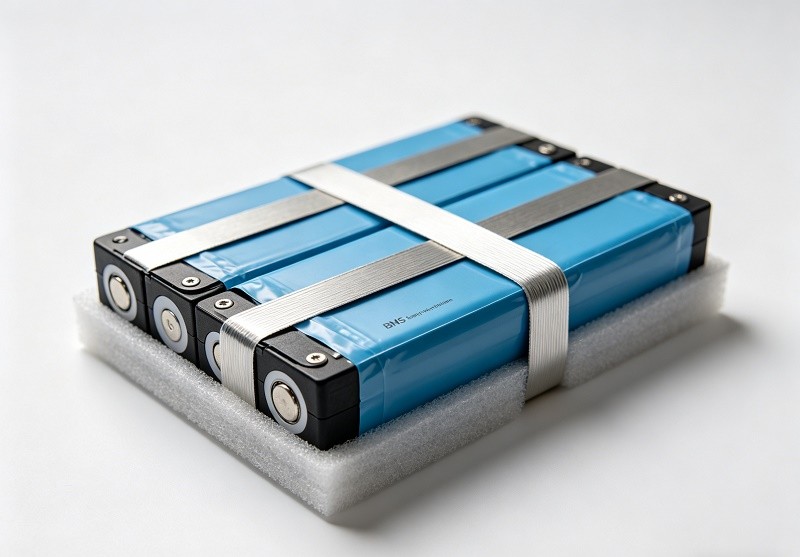
The layout of the cells within the holders is carefully planned to simplify the wiring process and, most importantly, to prevent short circuits. The standard practice, which we follow, is to arrange the cells with alternating polarity. For example, in a row of cells, the first cell will have its positive terminal facing up, the second will have its negative terminal up, the third positive up, and so on.
This "alternating polarity" arrangement allows for short, straight nickel strips to be used to create the series connections between adjacent cells. It keeps the positive and negative terminals of any single parallel group physically separated, making it much more difficult to accidentally create a short circuit during welding or wiring. The entire layout is designed to be logical and intuitive, ensuring that the positive and negative mains of the entire pack are located at opposite ends, providing clear and safe connection points.
The Art of Welding: Connecting Cells Reliably for Our Wholesale Battery Boxes
Spot welding is the industry-standard method for connecting cells in a battery pack. Unlike soldering, which introduces a large amount of heat into the cell over a prolonged period and can cause permanent damage, spot welding creates a strong, fused connection in a fraction of a second with highly localized heat. A perfect spot weld has low electrical resistance and high mechanical strength. Achieving this consistently requires the right equipment, proper technique, and attention to detail.
Preparing and Positioning Nickel Strips
Before any welding begins, the pure nickel strips must be cut to the correct length and shape. For a pack with an alternating polarity layout, this typically involves short strips for series connections between adjacent cell groups and longer strips that run across the top of a parallel group.
Proper preparation involves:
- Cutting to Size: Strips are cut precisely to span the required terminals without overhanging, which could create a short-circuit risk. The corners are often rounded to eliminate sharp points.
- Positioning: The nickel strip is laid flat across the cell terminals it is meant to connect. It must make good, flush contact with each terminal. A gap between the strip and the terminal will result in a weak or failed weld.
- Ensuring Cleanliness: Both the cell terminals and the nickel strips must be clean and free of any oils or oxides to ensure a good weld.
This careful preparation sets the stage for a successful and reliable welding process.
Our Step-by-Step Welding Process for Seamless Integration
Our technicians are highly trained in the art of spot welding, following a precise, step-by-step process to ensure every connection is perfect.
- Calibrating the Welder: The spot welder's energy and pulse settings are carefully calibrated based on the thickness of the nickel strip being used. Too little energy results in a weak "cold" weld that can easily break. Too much energy can blow a hole through the strip or, worse, through the top of the cell can, causing a catastrophic failure. We use pre-determined settings for single and double-layer strips that have been tested extensively.
- Positioning the Electrodes: The two copper electrodes of the welder are pressed down firmly onto the nickel strip directly over the center of a cell terminal. The pressure must be firm and even.
- Executing the Weld: The welder is triggered, delivering a very short, high-current pulse through the electrodes. This current rapidly heats the nickel strip at the point of contact, melting it and fusing it to the cell terminal below.
- Creating Multiple Welds: A single weld point is not sufficient. To ensure a strong mechanical connection and provide redundant paths for current, we apply multiple weld spots for each cell connection. A common pattern is 4 to 6 welds per cell terminal, arranged symmetrically.
- The "Tug Test": After welding a strip, we perform a gentle but firm tug test to confirm its adhesion. The weld is considered successful if the strip is securely fused and cannot be peeled off without significant force that deforms the nickel. A strip that pops off easily indicates a failed weld that must be redone.
We proceed methodically, connecting all the parallel groups first, and then making the series connections between them, double-checking our work at every stage.
BMS Integration and Wiring: The Brain of Every Wholesale Battery Box
With the core cell pack fully welded, the next critical phase is to integrate the Battery Management System (BMS). This involves physically securing the BMS and then meticulously connecting its web of sense wires and the main power cables. This is arguably the most complex part of the assembly, where precision and correctness are paramount. A single mis-wired sense lead can lead to incorrect monitoring and balancing, while a mistake in the main power lines can cause an immediate and dangerous short circuit.
Strategic Placement and Securing the BMS
The placement of the BMS is not arbitrary. It needs to be positioned where it is protected from physical shock and vibration, where its temperature sensors can be effectively placed, and where its wires can be routed cleanly without creating strain or risks of abrasion.
Our process is as follows:
- Insulation: The surface where the BMS will be mounted (often on top of the cell holders) is first covered with a layer of insulating material, such as fish paper or Kapton tape, to prevent any part of the BMS circuit board from ever touching a live cell or nickel strip.
- Securing the Board: The BMS is then securely fixed in place. This is often done using high-strength, double-sided adhesive foam tape or, in some designs, by mounting it to a dedicated plastic bracket. The goal is to ensure it cannot move or vibrate, which could lead to wire fatigue over time.
- Positioning Temperature Sensors: The BMS comes with one or more thermistors (temperature sensors) on long leads. These are strategically placed and taped directly onto the cells in the center of the pack, as this area is typically the hottest. This allows the BMS to get an accurate reading of the pack's core temperature for its thermal protection function.
Connecting Sensor Wires and Main Power Lines
Connecting the BMS wires is a process that demands extreme care and a specific order of operations to ensure safety.
Connecting the Balance/Sense Wires: The BMS has a multi-pin connector with a "balance harness" containing numerous small wires. Each wire needs to be connected to a specific point in the cell series string.
- The main negative balance lead (usually black, labeled B-) is connected to the pack's main negative terminal.
- The next wire (B1) is connected to the first series connection.
- The next wire (B2) is connected to the second series connection, and so on, all the way up to the final positive lead (B+), which is connected to the pack's main positive terminal.
- We follow a strict order, soldering each wire carefully and covering the connection with heat shrink tubing to insulate it. Crucially, the balance harness is NOT plugged into the BMS until all wires are soldered to the pack. Plugging it in beforehand creates a risk of shorting the delicate balance pins.
Connecting the Main Power Lines:
- Pack Negative (B-): A heavy-gauge wire is connected from the battery pack's main negative terminal to the "B-" pad on the BMS.
- Load/Charger Negative (P- or C-): Another heavy-gauge wire is connected from the "P-" (Pack/Load negative) or "C-" (Charge negative) pad on the BMS. This will become the main negative output for the entire assembled battery box. Some BMS units have separate pads for charging and discharging.
- Main Positive: The main positive wire connects directly from the battery pack's main positive terminal to the output connector. The positive line typically does not pass through the BMS (except for the small B+ sense wire). The BMS controls the pack by switching the negative line on and off.
After all soldering is complete and insulated, we perform a final check with a multimeter on the balance connector itself to ensure all voltages are sequential and correct before plugging it into the BMS for the first time. This final verification step prevents costly damage to the BMS.
Finalizing the Wholesale Battery Box: Protection and Durability
The final steps in assembly are all about "bulletproofing" the pack. This involves adding layers of physical and electrical protection to ensure the battery can withstand the rigors of its intended application and operate reliably for years. A well-built pack is not just electrically sound; it's mechanically robust. For a Wholesale Battery Box Supplier, these finishing touches are what separate a premium, durable product from a fragile one.
Insulating and Securing Internal Components
Once everything is wired, we meticulously insulate and secure all components to prevent any possibility of short circuits or movement caused by vibration.
- Fish Paper and Kapton Tape: We use adhesive-backed "fish paper" (a durable, high-dielectric-strength paper) and Kapton tape (a high-temperature polyimide film) to cover all exposed metal parts, solder joints, and nickel strips. Special ring-shaped fish paper insulators are placed on the positive terminal of every cell as an extra layer of protection.
- Securing Wires: All wires are carefully routed and secured. We use high-temperature tape or small zip ties to bundle wires neatly and prevent them from chafing against sharp edges. Wires are routed away from areas that might get hot. This "wire management" is not just for looks; it is critical for long-term reliability.
Implementing Strain Relief for Long-Term Reliability
The points where the main power leads exit the pack are highly susceptible to stress. If a user pulls on the cable, the force can be transferred directly to the solder joints on the BMS or the weld points on the cell terminals, eventually causing them to break. To prevent this, we implement strain relief. This is typically achieved by using a strong adhesive like silicone or a hot glue "gob" to secure the exit wires to the body of the pack, a short distance away from their connection points. This ensures that any pulling force is absorbed by the pack's structure rather than the delicate electrical connections.
The Role of Heat Shrink and Foam for Robust Wholesale Battery Boxes
The final layers of protection provide a tough outer skin and internal cushioning.
- Foam Padding: We often add thin layers of high-density foam padding to the top and bottom of the pack. This foam provides excellent shock absorption, protecting the cells and components from impacts and constant vibration, which is especially important for mobile applications.
- PVC Heat Shrink Tubing: The entire assembled and padded pack is then encased in a large-diameter PVC heat shrink tube. When heated with a heat gun, this tubing shrinks down tightly to form a tough, durable, and water-resistant outer skin. It holds everything together, provides an additional layer of electrical insulation, and gives the pack a clean, professional finish. The PVC shell is the pack's first line of defense against the outside world.
By completing these final, thorough steps, we transform a collection of components into a single, robust, and safe power unit, ready to be installed in its final housing and delivered to the customer.
By meticulously following these best practices in battery cell integration, we as a Wholesale Battery Box Supplier ensure that every product we deliver meets the highest standards of safety, performance, and durability. Our dedication to quality in cell configuration, component sourcing, and assembly is what sets our products apart, providing our customers with reliable and efficient power solutions. We believe that a well-crafted battery pack is the cornerstone of sustainable energy, and our commitment to these essentials reinforces our position as a trusted partner in the market. We encourage you to share this article with others in the industry and welcome any questions or discussions on advancing battery technology together.