Understanding the Comprehensive Capabilities of a Metal Stamping Die Manufacturer
- Share
- Issue Time
- Jun 29,2026
Summary
Learn professional capabilities of metal stamping die manufacturers, covering die design, servo press automation, DFM, material expertise & multi-industry custom stamping solutions.
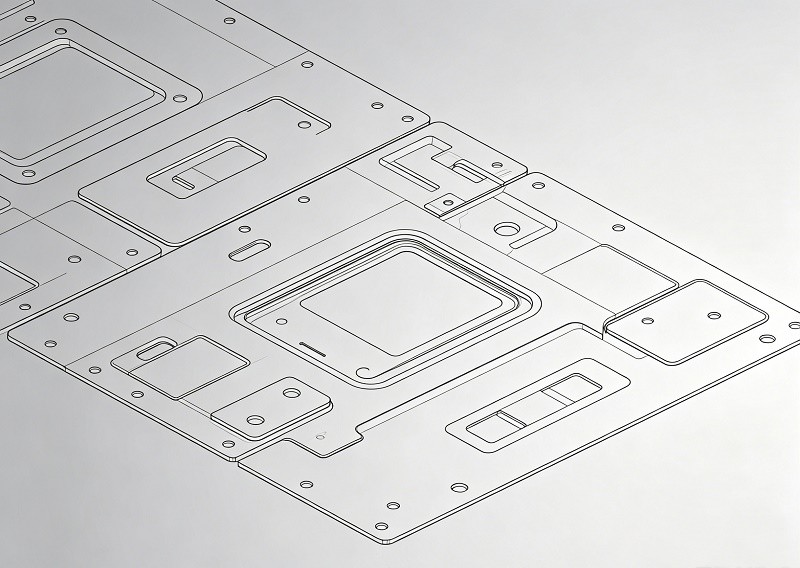
Welcome to an exploration into the world of metal stamping, a fundamental process at the core of countless products we use every day. From the structural components in our cars to the intricate connectors in our electronics, stamped metal parts are the invisible backbone of modern industry. Understanding the comprehensive capabilities of a metal stamping die manufacturer is the key to appreciating the sheer precision, innovation, and reliability that drive contemporary manufacturing.
A stamping die is much more than a simple mold; it is a highly engineered, precision tool responsible for the quality, efficiency, and cost-effectiveness of any high-volume production. The die's design and construction directly influence the final part's dimensional accuracy, surface finish, and consistency. A poorly designed tool can lead to production delays, increased scrap rates, and costly adjustments, while a well-conceived die ensures that millions of parts can be produced with flawless repeatability. Join us as we delve into what makes a top-tier metal stamping die manufacturer an indispensable partner for achieving exceptional quality, operational efficiency, and unwavering industrial reliability.
Precision Engineering and Robust Manufacturing by a Leading Metal Stamping Die Manufacturer
The a manufacturer's reputation is built on a foundation of precision engineering and exceptionally robust manufacturing processes. This is where raw potential is transformed into tangible, functional components that meet the strictest industry standards. It involves a holistic approach that begins with the meticulous design of the die itself and extends through the entire production workflow, integrating advanced technology and rigorous quality control at every stage. For industries where failure is not an option, such as aerospace, automotive, and medical, this commitment to precision is what separates an adequate supplier from a true strategic partner. A manufacturer's ability to consistently deliver high-quality parts is a direct reflection of their investment in engineering expertise and state-of-the-art manufacturing infrastructure.
The Foundation of Die Design and Tooling Excellence
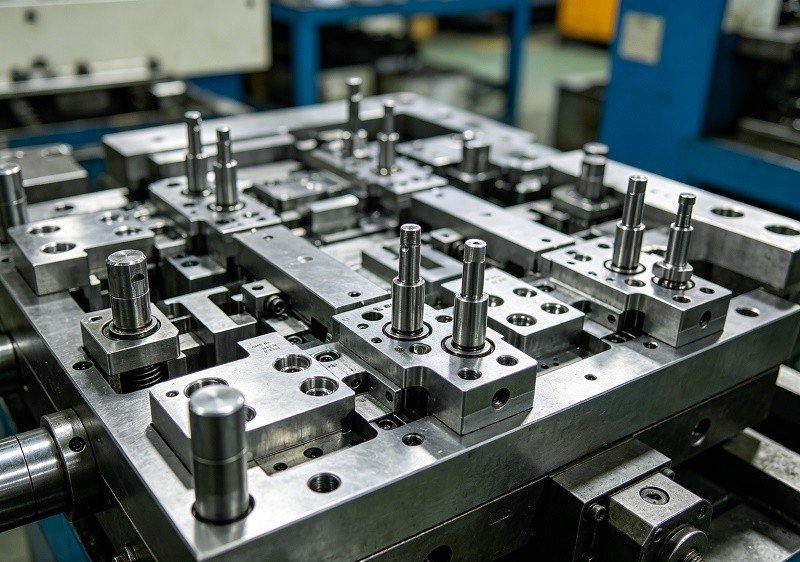
Excellence in metal stamping begins long before the first piece of metal is struck; it originates in the intricate and highly specialized process of die design and toolmaking. A stamping die is a precision cold-working tool that cuts and forms sheet metal under immense pressure, and its design is the blueprint for success, directly dictating cost, quality, and production speed. A superior design ensures dimensional stability over millions of cycles, maximizes material utilization to reduce waste, and minimizes maintenance downtime, all of which are critical for cost-effective, high-volume production.
The design process itself is a sophisticated fusion of digital engineering and practical experience. It typically begins with a thorough analysis of the part's geometry, material, and required tolerances. Experienced designers and engineers use advanced CAD/CAM software to create detailed 3D models of the die, simulating the metal's behavior—including stretching, bending, and springback—to anticipate and mitigate potential issues before any steel is cut.
A masterfully crafted die is composed of several core systems working in perfect harmony:
- Guidance System: Components like guide posts and bushings ensure the upper and lower halves of the die align with microscopic precision during high-speed closure, preventing premature wear.
- Positioning System: Dowel pins and keys lock each plate and component into its exact location, guaranteeing zero-error alignment of all internal mechanisms.
- Working Mechanism: This includes the punches and die inserts that directly contact the raw material to perform operations like cutting, piercing, and forming. The selection of materials for these components, such as A2 tool steel or carbide, is critical, as they must withstand immense forces without rapid wear.
Achieving excellence in tooling also means designing for manufacturability and maintenance. An intelligently designed die can be disassembled, serviced, and reassembled with ease and repeatability, ensuring that maintenance technicians can accurately replace worn components without extensive development time. By focusing on perfection from the very start, balancing cost with long-term stability and quality, a leading manufacturer establishes the foundation for a flawless production run.
Advanced Technologies for Consistent, High-Quality Output
To translate a perfect die design into millions of identical, high-quality parts, leading manufacturers rely on a suite of advanced technologies. This technological edge is what enables them to maintain extreme precision, optimize production speed, and ensure every single component meets or exceeds specifications. The synergy between state-of-the-art machinery and intelligent automation forms the backbone of modern, high-volume stamping operations, ensuring that the excellence envisioned in the design phase is consistently realized on the production floor.
Harnessing Servo Presses and Automation
The metal stamping industry has been revolutionized by the adoption of servo-driven presses and integrated automation systems. Unlike traditional mechanical presses that operate with a fixed stroke and speed, servo presses are powered by high-torque electric servo motors. This gives manufacturers unparalleled control over the stamping process, allowing them to program custom motion profiles for the press ram. They can adjust the slide position, speed, and even dwell time at any point in the stroke with incredible precision.
This level of control offers numerous advantages:
- Enhanced Precision: For complex forming operations or when working with challenging materials like high-strength steels, the ability to slow the ram just before impact reduces shock and improves material flow, resulting in higher-quality parts with tighter tolerances.
- Increased Versatility: A single servo press can be programmed to handle a wide variety of jobs, from simple blanking to complex deep drawing, without extensive mechanical changes. This flexibility is invaluable for manufacturers serving diverse industries.
- Longer Tool Life: By optimizing the stroke profile to be less aggressive, servo presses reduce the impact force and wear on expensive stamping dies, extending their operational life and lowering long-term costs.
- Energy Efficiency: Servo presses consume energy only on demand during the working portion of the stroke, unlike mechanical presses whose flywheels run continuously. This leads to significant energy savings and a more sustainable manufacturing footprint.
Automation is the second critical component. Turnkey automation solutions streamline the entire production line, reducing manual labor and improving efficiency. These systems often include:
- Robotic Part Handling: Robots are used for loading raw material, transferring parts between press stations (in transfer or press-to-press setups), and stacking finished components. This ensures consistent positioning and high-speed operation.
- Quick Die Change Systems: Automated systems for changing dies can reduce setup times from hours to minutes, maximizing press uptime and making smaller production runs more economical.
- Automated Packaging: Custom packaging systems can be integrated at the end of the line to prepare finished parts for shipment, further reducing manual intervention and cost.
By combining the precision of servo presses with the efficiency of robotics and automation, a manufacturer can create a highly optimized, reliable, and cost-effective production system capable of meeting the most demanding requirements.
Structured Processes and Rigorous Quality Control
Technology alone is not enough; it must be supported by structured, repeatable processes and a culture of uncompromising quality control. A top-tier metal stamping die manufacturer operates within a robust quality management system (QMS), often certified to stringent standards like ISO 9001:2015 or IATF 16949 for the automotive industry. This framework governs every aspect of the operation, from initial contract review to final part inspection and shipment.
Rigorous quality control is not a single step but a continuous process integrated throughout production. It includes:
- First Article Inspection (FAI): Before mass production begins, the first parts off the line are subjected to an exhaustive inspection to verify that every dimension and feature conforms to the part print.
- In-Process Monitoring: During the production run, automated sensors and vision systems monitor the process in real-time. Systems like tonnage monitors detect force irregularities that could indicate a problem, while die protection sensors can stop the press instantly to prevent damage.
- Automated Vision Inspection: High-speed AI-powered camera systems are increasingly used to inspect every part as it comes off the press. These systems can detect micro-cracks, surface irregularities, burrs, and other defects that might be missed by the human eye, even on shiny or reflective surfaces. This ensures 100% inspection at full production speed, dramatically reducing scrap rates.
- Coordinate Measuring Machines (CMM): For periodic quality checks and final verification, CMMs provide highly accurate 3D measurements of parts. This data is used to confirm dimensional accuracy against the CAD model and to track process stability over time.
By combining real-time feedback with meticulous verification procedures, manufacturers can identify and correct potential issues before they lead to large-scale defects. This proactive approach to quality ensures that customers receive parts that are not only accurate but consistently reliable, shipment after shipment.
Adapting to Evolving Industry Needs as a Modern Metal Stamping Die Manufacturer
The manufacturing landscape is in a constant state of flux, driven by demands for greater efficiency, higher performance, and increased environmental responsibility. A forward-thinking metal stamping die manufacturer does not simply react to these changes; they anticipate and embrace them. Adapting to evolving industry needs is crucial for survival and leadership. This means actively seeking out and investing in innovations that enhance speed and sustainability, while also cultivating deep, collaborative partnerships with clients. By transforming from a simple component supplier into a comprehensive solutions provider, a modern manufacturer can offer immense strategic value, helping clients navigate technical challenges, optimize their products, and achieve their business objectives more effectively. This adaptability is the hallmark of a manufacturer that is not just prepared for the future but is actively helping to shape it.
Embracing Innovation for Speed, Efficiency, and Sustainability
In today's competitive global market, the pressure to produce parts faster, more cost-effectively, and with a smaller environmental footprint has never been greater. Leading metal stamping die manufacturers are meeting this challenge head-on by weaving innovation into the fabric of their operations. This commitment extends beyond simply upgrading machinery; it involves a holistic approach to process optimization and resource management.
Speed and Efficiency through Technology: The integration of Industry 4.0 technologies is a key driver of efficiency. IoT-enabled presses with in-die sensors provide real-time data on performance, allowing for predictive maintenance that minimizes unplanned downtime. These smart systems can monitor tool wear and press tonnage, making micro-adjustments on the fly to maintain optimal production conditions. Furthermore, the use of simulation software in the design phase drastically reduces the time needed for physical trials, cutting die development lead times from weeks to mere days.
Sustainability and Waste Reduction: Sustainability has become a core business mandate, not just an option. Progressive manufacturers are implementing green manufacturing practices that address every aspect of the production cycle:
- Scrap Reduction: The most significant environmental and cost-saving impact comes from minimizing material scrap. This is achieved through sophisticated nesting software that optimizes how parts are laid out on a sheet of metal to maximize yield. Techniques like designing dies for common-edge cutting, where adjacent parts share a cut line, can further reduce material wastage. Some manufacturers even design "offal dies" to produce smaller parts from the scrap generated by larger components, turning waste into value.
- Energy-Efficient Equipment: Adopting modern, energy-efficient presses, such as servo-driven models, can reduce energy consumption by up to 50% compared to older hydraulic or mechanical presses.
- Recycling and Circular Economy: Steel and aluminum, the primary materials in stamping, are nearly infinitely recyclable. Top-tier manufacturers have robust recycling programs to capture and reuse 100% of their scrap metal, conserving natural resources and reducing waste sent to landfills. Using recycled steel can lower the energy required for production by as much as 60% compared to using raw iron ore.
- Eco-Friendly Lubricants: The shift toward water-based or biodegradable lubricants minimizes the environmental impact associated with traditional, petroleum-based stamping fluids.
Innovations in Materials: A crucial aspect of modern manufacturing is the use of advanced materials, particularly in the automotive industry's push for lightweighting to improve fuel efficiency and battery range in electric vehicles (EVs). Stamping manufacturers are developing expertise in forming Advanced High-Strength Steels (AHSS) and ultra-high-strength steels. These materials offer superior strength-to-weight ratios but are more challenging to form, often requiring specialized processes like hot stamping (also known as press hardening) to achieve complex shapes without cracking or excessive springback. Expertise in forming these next-generation alloys is a critical capability for any manufacturer serving the automotive, aerospace, or other high-performance sectors.
By relentlessly pursuing innovation, a manufacturer can deliver parts faster, at a lower cost, and with a proven commitment to environmental stewardship, providing a powerful competitive advantage for themselves and their customers.
Collaborative Partnerships and Comprehensive Service Offerings
In the modern manufacturing ecosystem, the most successful relationships are not transactional but collaborative. A top-tier metal stamping die manufacturer positions itself as a strategic partner, moving beyond the simple production of parts to offer a holistic suite of services that add value at every stage of a product's lifecycle. This partnership approach is built on a foundation of open communication, shared goals, and a deep integration into the client's processes. By fostering this level of collaboration, a manufacturer can provide insights and solutions that simplify supply chains, reduce costs, and accelerate time to market, delivering a significant competitive advantage to their clients.
Beyond Stamping: Value-Added and Project Management Solutions
An elite metal stamping manufacturer understands that a stamped part is often just one component in a much larger assembly. To simplify the supply chain and provide a true turnkey solution, they offer a wide array of in-house and managed secondary services. Consolidating these processes under one roof eliminates the logistical headaches, additional costs, and potential quality issues that arise from shipping parts between multiple vendors.
These value-added services often include:
- Assembly: Automated and manual assembly services to combine stamped parts with other components (such as fasteners, plastic pieces, or other hardware) into sub-assemblies or even fully completed products.
- Welding: Expertise in various welding techniques, including robotic MIG, TIG, resistance, and spot welding, to create durable and precise welded assemblies.
- Finishing and Treatment: A comprehensive range of finishing services to meet performance and cosmetic requirements. This can include heat treating (to alter mechanical properties like hardness or ductility), plating (such as zinc for corrosion resistance), e-coating, powder coating, and passivation.
- Machining and Secondary Operations: In-house capabilities for secondary operations like threading, boring, crimping, deburring, and CNC machining to add complex features that cannot be created through stamping alone.
Beyond these technical services, a true partner provides robust project management. A dedicated project manager serves as a single point of contact, expertly guiding a product from the initial design review and prototyping stages all the way through to full-scale production and delivery. This focused management ensures seamless communication, proactive risk mitigation, and adherence to timelines and budgets. By overseeing all aspects of the manufacturing process, from supply chain logistics to quality control and operational handover, the project manager ensures that every part is delivered to specification, on time, every time.
| Value-Added Service | Description | Key Benefit |
|---|---|---|
| Assembly Services | Combining stamped parts with other components into sub-assemblies. | Reduces client's in-house labor and simplifies supply chain. |
| Welding | Robotic and manual welding (MIG, TIG, Spot) to join components. | Creates strong, complex fabrications from multiple stampings. |
| Heat Treating | Altering the metal's physical and mechanical properties. | Enhances part strength, durability, or formability as required. |
| Plating & Coating | Applying protective or cosmetic layers (e.g., zinc, e-coat, powder). | Improves corrosion resistance, wear, and appearance. |
| Project Management | End-to-end oversight from design to delivery. | Provides a single point of contact and ensures on-time, on-budget execution. |
The Power of Early Design Involvement (DFM)
One of the most impactful forms of collaboration a metal stamping manufacturer can offer is early involvement in the product design phase through a process called Design for Manufacturability (DFM). DFM is a systematic approach where the manufacturer's engineering team collaborates with the client's designers to optimize a part's design for efficient, cost-effective, and high-quality production via stamping. Addressing potential manufacturing challenges during the design stage is exponentially cheaper and faster than fixing them once tooling has been built or production has begun.
The benefits of DFM are profound:
- Cost Reduction: DFM identifies opportunities to reduce manufacturing costs without compromising function. This can be achieved by simplifying geometry, reducing the part count in an assembly, or selecting a more formable or less expensive material. A well-executed DFM process can reduce production costs by a significant margin.
- Improved Quality and Consistency: By optimizing the design, DFM helps eliminate features that are prone to manufacturing defects. This might involve adjusting bend radii to prevent material from cracking, moving holes away from edges to avoid distortion, or designing features that naturally guide the part during forming. This leads to higher product quality and reliability.
- Faster Time-to-Market: DFM streamlines the production process, leading to shorter lead times. By designing parts that are easier to stamp and require fewer complex operations, manufacturers can achieve faster cycle times and a quicker ramp-up to full production.
- Reduced Scrap and Waste: By designing for the specific manufacturing process, the likelihood of errors and defects is minimized. This directly translates to lower scrap rates, saving money and contributing to a more sustainable operation.
In essence, DFM bridges the gap between design intent and manufacturing reality. When a client engages their stamping partner early, they gain access to a wealth of practical knowledge that can transform a good design into a great, manufacturable product. This collaborative spirit is the cornerstone of a modern manufacturing partnership.
Expertise in Materials and Diverse Applications from a Versatile Metal Stamping Die Manufacturer
A truly capable metal stamping die manufacturer distinguishes itself through deep expertise in two interconnected areas: the vast and complex world of metal alloys and the diverse industrial applications where stamped components are critical. This knowledge is not merely academic; it is forged through decades of hands-on experience, problem-solving, and continuous learning. A versatile manufacturer acts as a materials science consultant, guiding clients to the optimal material choice that balances performance, cost, and manufacturability. This expertise allows them to produce components that function flawlessly in a wide range of demanding environments, from automotive engines and aerospace structures to life-saving medical devices and cutting-edge electronics, making them an invaluable asset to innovators across every major industry.
Mastering a Wide Range of Alloys for Performance
The selection of the right material is a critical decision that profoundly impacts a stamped part's performance, durability, and cost. A premier manufacturer possesses a deep understanding of metallurgy and the specific properties of a wide array of metals and alloys. This mastery enables them to recommend the perfect material to meet the unique demands of any application.
The most common materials in metal stamping include:
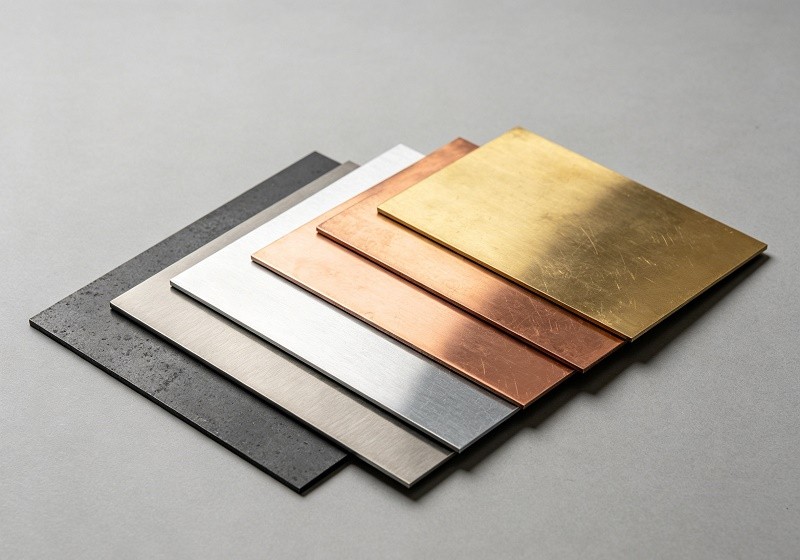
Carbon Steel: The workhorse of the industry, carbon steel is valued for its strength, affordability, and excellent formability. It is categorized by its carbon content:
- Low-Carbon Steel (Mild Steel): Highly ductile and easy to form and weld, making it ideal for automotive panels, brackets, and general industrial parts.
- Medium-Carbon Steel: Offers a balance of increased strength and hardness but is less ductile. It's often used for gears, axles, and mechanical components.
- High-Carbon Steel: Very strong and hard, it can be heat-treated to hold a sharp edge or act as a spring. It is used for clips, cutting tools, and springs.
Stainless Steel: An alloy of iron and at least 10.5% chromium, stainless steel is renowned for its exceptional corrosion resistance, strength, and hygienic properties. Common grades like 304 and 316 are staples in the medical, food processing, and marine industries. While more expensive than carbon steel, its longevity and low maintenance often justify the cost.
Aluminum: Valued for its excellent strength-to-weight ratio, aluminum is roughly one-third the weight of steel, making it a critical material for the automotive and aerospace industries' lightweighting initiatives. It also offers great corrosion resistance and electrical and thermal conductivity. Common alloys like 3003, 5052, and 6061 offer a range of strengths and formability characteristics.
Copper and Brass: These alloys are chosen for their superior electrical and thermal conductivity. This makes them essential for producing electronic components such as connectors, terminals, and busbars. Their softness and malleability also make them easy to form into complex, thin parts.
Beyond these common materials, a versatile manufacturer also has experience with:
- High-Strength Low-Alloy (HSLA) Steels: These steels provide significantly higher strength than conventional carbon steels without the added weight, perfect for structural and safety components.
- Coated Steels: Materials like galvanized or galvannealed steel come with a pre-applied zinc coating for built-in rust protection.
- Exotic Alloys: This includes nickel alloys like Inconel for high-temperature aerospace applications and titanium for its extreme strength and biocompatibility in medical implants.
The table below summarizes the key characteristics of these primary material groups:
| Material Group | Key Properties | Common Applications |
|---|---|---|
| Carbon Steel | Strong, affordable, highly formable | Automotive bodies, industrial brackets, springs |
| Stainless Steel | Superior corrosion resistance, hygienic, durable | Medical instruments, food equipment, marine hardware |
| Aluminum | Lightweight, high strength-to-weight ratio, conductive | Aerospace components, automotive parts, electronics enclosures |
| Copper & Brass | Excellent electrical & thermal conductivity, malleable | Electrical connectors, terminals, heat sinks |
Mastering these materials means understanding not just their properties but also their behavior in the press—how they stretch, bend, and work-harden. This allows the manufacturer to design robust tools and processes that deliver consistent, high-quality parts, regardless of the alloy chosen.
Essential Contributions to Critical Sectors and Products
Metal stamping is a cornerstone manufacturing process that supplies essential components to nearly every major industry. Its ability to produce complex, precise, and durable parts at high volumes makes it indispensable for creating the products that power our world. A versatile metal stamping die manufacturer plays a vital role in these critical sectors by providing the foundational components upon which larger systems are built.
Automotive: The automotive industry is one of the largest consumers of stamped metal parts. Metal stamping is used to create everything from large body panels like doors, hoods, and fenders to smaller, high-strength structural and safety components like chassis rails, A-pillars, and crossbeams. The process is also essential for producing countless smaller parts, including brackets, transmission components, engine mounts, fuel injectors, and seat latches. As the industry shifts toward electric vehicles (EVs), stamping is critical for manufacturing lightweight battery enclosures, motor housings, and intricate electrical connectors.
Aerospace: In the aerospace sector, precision and reliability are non-negotiable. Stamped components must withstand extreme fluctuations in temperature and pressure while offering maximum strength at the lowest possible weight. Metal stamping is used to produce a vast range of aircraft parts, including structural brackets and frames, engine components, clips and retainers, enclosures for avionics, and various fasteners. Lightweight materials like aluminum, titanium, and high-strength nickel alloys such as Inconel are frequently used to meet these demanding performance requirements.
Medical Devices: The medical industry relies on precision metal stamping for components that require exceptional accuracy, cleanliness, and material integrity. Patient safety depends on the flawless performance of these parts. Stamped components are used in a wide array of applications, from disposable devices like IV pumps to complex surgical instruments and implantable devices like pacemakers. Common parts include device housings, shielding for sensitive electronics (EMI/RFI shields), battery contacts, and sensor components. Medical-grade stainless steel and titanium are often the materials of choice due to their biocompatibility and corrosion resistance.
Electronics: Modern electronics, from consumer smartphones to industrial control systems, are packed with miniature, intricate metal components produced through precision stamping. The process is a cost-effective way to manufacture the vast quantities of connectors, terminals, springs, and clips needed for these devices. It is also used to create heat sinks for thermal management, EMI/RFI shielding to prevent electromagnetic interference, and structural frames for everything from laptops to telecommunications equipment. Materials with high electrical conductivity, such as copper and brass, are essential in this sector.
A versatile manufacturer's ability to serve these diverse industries demonstrates a broad and deep understanding of different standards, materials, and technical challenges. Whether it's meeting the stringent AS9100 quality standards of the aerospace industry, the IATF 16949 requirements for automotive, or the ISO 13485 standards for medical devices, a top-tier stamping partner has the expertise and validated processes to deliver compliant, high-performance parts to any sector.
In conclusion, a highly capable metal stamping die manufacturer is far more than a simple supplier; they are a strategic partner essential to bringing innovative and reliable products to life. Their profound commitment to precision engineering, from the initial die design to the final part inspection, ensures that every component meets the most demanding specifications. By embracing advanced technologies like servo presses and automation, they deliver unparalleled efficiency and consistency, while their focus on sustainability through scrap reduction and green practices addresses modern environmental imperatives.
Furthermore, their ability to adapt to evolving industry needs by offering comprehensive value-added services and expert project management transforms them into a one-stop solution that simplifies complex supply chains. The deep collaborative power of early design involvement (DFM) allows businesses to optimize costs, enhance product quality, and accelerate their time to market. This expertise across a wide range of materials and critical sectors—from automotive and aerospace to medical and electronics—makes them crucial for seamless production and sustained market leadership. By choosing the right expert, businesses can confidently navigate the complexities of today's demanding industrial landscape. If you are ready to discuss your next project with a strategic partner dedicated to excellence, we encourage you to contact-us.