Understanding Wholesale 3D Printed Parts: A Guide to ABS Filament Excellence
- Share
- Issue Time
- Mar 16,2026
Summary
Discover why ABS filament is the top choice for wholesale 3D printed parts. Learn about its durability, heat resistance, post-processing advantages, and how to optimize printing for professional, end-use applications.
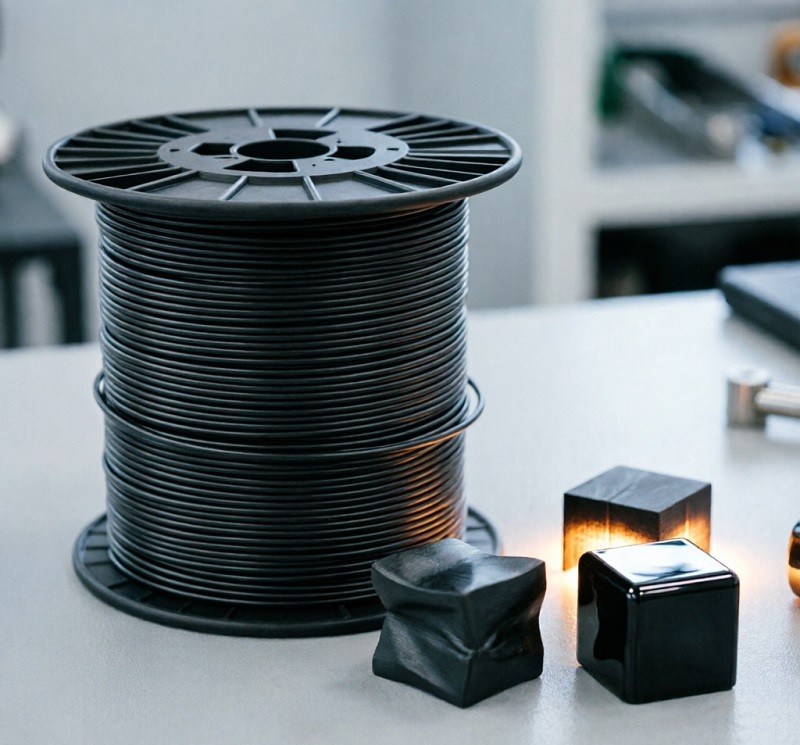
As experts in wholesale 3D printed parts, we understand that choosing the right material is critical for the success of any project. This guide focuses on Acrylonitrile Butadiene Styrene (ABS) filament, a material renowned for its exceptional properties and versatility in professional 3D printing applications.
ABS plastic has been a cornerstone in both industrial and consumer product manufacturing for decades. In the realm of 3D printing, it's a go-to for creating robust, functional wholesale 3D printed parts that demand durability and heat resistance, bridging the gap between prototyping and final production with impressive results.
Key Takeaways
- What is ABS? ABS (Acrylonitrile Butadiene Styrene) is a tough, durable thermoplastic polymer known for its strength, heat resistance, and impact resistance. It's composed of three key monomers: Acrylonitrile for chemical stability, Butadiene for toughness, and Styrene for rigidity and a glossy finish.
- Why ABS for Wholesale? For wholesale production, ABS is prized for its ability to create mechanically strong and stable end-use parts. Its properties are ideal for functional prototypes, automotive components, electronic housings, and consumer goods that need to withstand wear and tear.
- ABS vs. Other Filaments: Compared to PLA, ABS is significantly more durable, temperature-resistant, and impact-resistant, though it is more challenging to print. Against PETG, ABS offers better heat resistance and stiffness but has lower UV resistance.
- Optimal Printing Conditions: Successfully printing ABS at a wholesale scale requires precise control over temperature. This includes a high extruder temperature (220-250°C), a heated print bed (80-110°C), and often a heated enclosure to prevent warping and ensure layer adhesion.
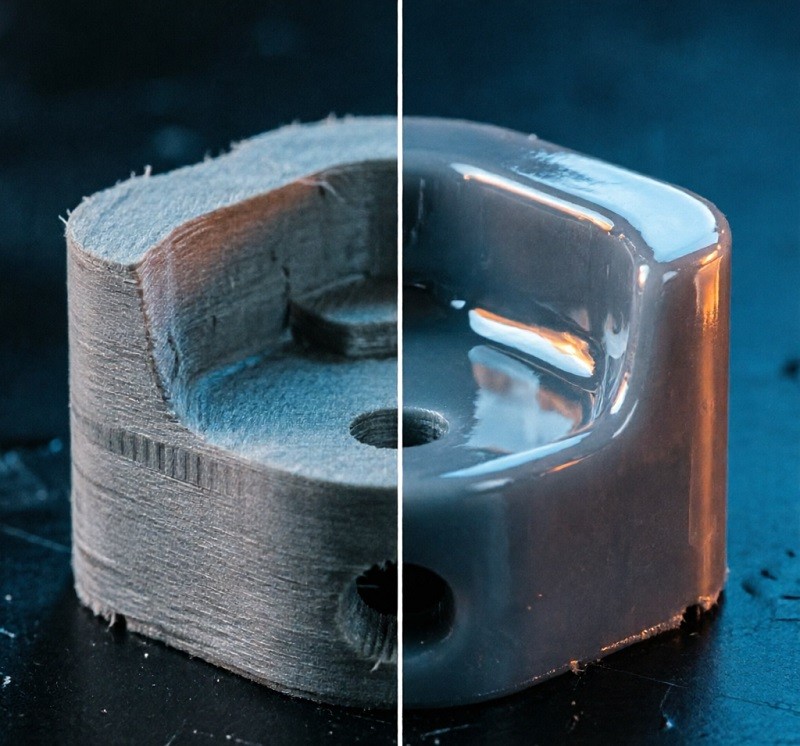
- Post-Processing Advantages: One of the standout features of ABS is its excellent post-processing capabilities. Parts can be easily sanded and machined. Furthermore, they can be smoothed using an acetone vapor process to eliminate layer lines and create a surface finish comparable to injection-molded parts.
- Common Challenges: The primary difficulties with ABS printing are warping due to thermal contraction, delamination between layers, and the emission of potentially harmful fumes during printing. These are mitigated with a controlled print environment (enclosure), proper bed adhesion techniques, and adequate ventilation.
- Filament Varieties: Beyond standard ABS, there are enhanced formulas like ABS+ for reduced warping and specialty blends such as PC-ABS (Polycarbonate-ABS) for even higher impact and heat resistance, and Carbon Fiber-infused ABS for increased stiffness and strength.
Understanding ABS Filament for Wholesale 3D Printed Parts
Acrylonitrile Butadiene Styrene, or ABS, is one of the most established and trusted materials in the world of 3D printing, particularly for professional and industrial applications. It belongs to the family of thermoplastic polymers, which means it can be repeatedly heated to a molten state and cooled to a solid form without significant degradation. This property is the cornerstone of its use in Fused Deposition Modeling (FDM) 3D printing.
What is ABS Filament?
ABS filament is a specific form of ABS plastic, extruded into a thin, continuous strand and wound onto a spool for use in 3D printers. It was one of the very first plastics to be adapted for industrial 3D printing and remains a popular choice due to its low cost and excellent mechanical properties. Its reputation is built on delivering durability and functionality, making it a staple for engineers, designers, and manufacturers producing wholesale parts.
Composition and Key Characteristics
ABS is a terpolymer, meaning it is created by polymerizing three distinct monomers: Acrylonitrile, Butadiene, and Styrene. Each of these components contributes specific, desirable properties to the final material:
- Acrylonitrile: This component provides chemical resistance, hardness, and thermal stability. It helps the material resist damage from various chemicals and maintain its shape at elevated temperatures.
- Butadiene: Derived from rubber, butadiene imparts toughness and impact resistance. It's the reason ABS parts can bend and absorb impacts without fracturing, even at low temperatures.
- Styrene: This monomer gives ABS its rigidity, structural strength, and a naturally smooth, glossy surface finish. It also makes the material easier to process.
Together, these three monomers create a plastic that is significantly stronger, tougher, and more temperature-resistant than many other common 3D printing filaments. It is known for its high rigidity, dimensional stability, and good electrical insulating properties.
Why ABS Excels in Wholesale 3D Printed Parts
For businesses focused on wholesale production, material choice is dictated by performance, reliability, and cost-effectiveness. ABS filament is an excellent contender in this space for several reasons. It provides the mechanical strength and durability required for functional end-use parts, not just prototypes. This makes it ideal for items that will be handled frequently, subjected to stress, or exposed to heat.
The ability of ABS to produce parts with a smooth surface finish, especially after post-processing, allows it to meet the aesthetic standards of consumer goods. Furthermore, its toughness makes it suitable for creating durable items like electronic enclosures, automotive interior components, and custom jigs and fixtures for manufacturing lines. This versatility, combined with its relatively low cost, makes ABS a highly valuable material for scaling up production and delivering high-quality wholesale 3D printed parts.
ABS Versus Other Filaments for Wholesale Production
Choosing the right filament is a critical decision in wholesale 3D printing, as the material's properties directly influence the performance and suitability of the final part. While ABS is a powerful and versatile option, understanding how it compares to other common filaments like PLA and PETG is essential for making an informed choice.
ABS vs. PLA in Wholesale 3D Printed Parts
Polylactic Acid (PLA) is often the first material that new users encounter due to its ease of printing and low-cost. However, for professional and wholesale applications, its limitations become apparent when compared to ABS.
| Feature | Acrylonitrile Butadiene Styrene (ABS) | Polylactic Acid (PLA) |
|---|---|---|
| Strength & Durability | High impact resistance and ductility; bends before breaking. | More brittle; tends to snap under pressure. |
| Heat Resistance | Softens around 105°C, making it suitable for higher-temp applications. | Low heat tolerance; softens and deforms around 60°C. |
| Printing Difficulty | More challenging; requires a heated bed and enclosure to prevent warping. | Easy to print; low warping and does not require a heated bed. |
| Post-Processing | Easily sanded and can be vapor-smoothed with acetone for a glossy finish. | More difficult to post-process; not soluble in common solvents. |
| Applications | Functional prototypes, end-use parts, automotive components, enclosures. | Concept models, aesthetic prototypes, non-functional parts. |
In summary, while PLA is excellent for rapid prototyping and visual models, ABS is the superior choice for wholesale parts that require mechanical robustness, heat resistance, and longevity.
ABS vs. PETG in Wholesale 3D Printed Parts
PETG (Polyethylene Terephthalate Glycol-modified) is another popular filament that often serves as a middle ground between PLA and ABS. It combines some of the ease-of-use of PLA with better strength and temperature resistance.
| Feature | Acrylonitrile Butadiene Styrene (ABS) | Polyethylene Terephthalate Glycol (PETG) |
|---|---|---|
| Heat Resistance | Superior; withstands temperatures up to 100°C or more. | Good, but lower than ABS; max heat resistance around 80°C. |
| UV Resistance | Poor; can become brittle and discolor with prolonged sun exposure. | Excellent; suitable for outdoor applications. |
| Stiffness | High rigidity and flexural strength. | More flexible and less rigid than ABS. |
| Chemical Resistance | Good resistance to acids and alkalis, soluble in acetone. | Excellent chemical resistance, but not easily smoothed with solvents. |
| Ease of Printing | Requires a heated enclosure and careful temperature management. | Prone to stringing and requires careful retraction settings. |
PETG is a strong contender for many applications, especially those requiring UV resistance or high chemical resilience. However, for wholesale parts needing maximum stiffness and the ability to withstand higher operating temperatures, ABS remains the preferred material.
Types and Applications of ABS for Wholesale 3D Printed Parts
The versatility of ABS is not limited to its standard form. Over the years, the material has been enhanced and modified to create a range of specialized filaments, each tailored for specific applications. This diversity makes ABS even more valuable for wholesale production, allowing manufacturers to select the perfect variant for their unique needs.
Exploring Different ABS Filament Varieties
From enhanced everyday options to highly specialized engineering-grade materials, the ABS family is broad. Understanding these varieties is key to unlocking the full potential of ABS for your wholesale projects.
Standard ABS and Enhanced Options (e.g., ABS+, ABSx, TitanX)
- Standard ABS: This is the classic, widely-used formulation that offers a great balance of toughness, heat resistance, and affordability. It serves as the benchmark for all other ABS types and is a reliable workhorse for a vast array of general-purpose applications.
- Enhanced ABS (ABS+, ABSx, etc.): Manufacturers have developed proprietary blends that aim to improve upon standard ABS, primarily by making it easier to print. These "plus" or "pro" versions are often formulated to have reduced warping and shrinkage during cooling. They may also offer slightly improved mechanical properties or better layer adhesion, making them an excellent choice for businesses looking to increase print success rates and consistency in a wholesale environment without sacrificing the core benefits of ABS.
Specialty ABS Filaments (e.g., PC-ABS, ClearScent ABS, Carbon Fiber ABS)
The true power of ABS as a platform becomes evident in its specialty blends, where it is combined with other polymers and additives to achieve specific performance characteristics.
- PC-ABS (Polycarbonate-ABS Alloy): This is a high-performance blend that combines the heat resistance and strength of Polycarbonate with the flexibility and processability of ABS. The resulting material has superior impact strength, especially at low temperatures, and a higher heat deflection temperature than standard ABS. It is frequently used in demanding automotive, electronics, and telecommunications applications.
- ClearScent or Low-Odor ABS: One of the main drawbacks of printing with standard ABS is the emission of styrene, which creates a strong, unpleasant odor and requires good ventilation. Specialty filaments have been developed to mitigate this issue, offering a low-odor or "clear scent" printing experience. These are ideal for office or less-ventilated environments.
- Carbon Fiber ABS (ABS-CF): By infusing short strands of carbon fiber into the ABS base, manufacturers create a filament with significantly increased stiffness, strength, and dimensional stability. ABS-CF is lighter than standard ABS but much more rigid, making it perfect for high-strength, lightweight parts like jigs, fixtures, drone components, and performance automotive parts.
Common Applications for Wholesale ABS 3D Printed Parts
The robust and versatile nature of ABS and its variants makes it a go-to material for countless commercial and industrial applications. Its ability to bridge the gap between prototyping and production-ready parts is a key driver of its adoption in wholesale manufacturing.
Industrial and Automotive Components
In the industrial sector, ABS is a trusted material for creating durable and functional parts. Its strength and heat resistance make it ideal for:
- Jigs, Fixtures, and Tooling: Custom parts used to hold or guide components during the manufacturing and assembly process. ABS provides the durability needed to withstand repeated use.
- Protective Housings and Enclosures: The material's good electrical insulation and impact resistance make it perfect for casing electronics and protecting sensitive mechanical equipment.
- Automotive Components: ABS is widely used in the automotive industry for interior parts such as dashboard components, trims, and console parts. It's also used for prototyping grilles, mirror housings, and other exterior elements that need to be tested for fit and form.
Consumer Goods and Prototypes
From the toys children play with to the devices we use every day, ABS is a ubiquitous material. Its use in wholesale 3D printing extends this reach even further.
- Functional Prototypes: ABS excels in creating prototypes that not only look like the final product but can also be tested for mechanical function. Its ability to be machined, sanded, and glued makes it easy to iterate on designs.
- Consumer Electronics: Many consumer electronic casings, from remote controls to computer keyboards, are made from ABS due to its durability and finish quality.
- Durable Toys and Goods: Perhaps the most famous example of ABS's durability is LEGO bricks. This same toughness makes it an excellent choice for producing high-wear toys, tool handles, and other consumer items that need to last.
Optimizing Your Process for Wholesale 3D Printed Parts with ABS
Printing with ABS successfully, especially at a wholesale scale where consistency and reliability are paramount, requires a more controlled process compared to forgiving materials like PLA. Mastering the specific printer requirements and learning how to overcome common challenges are crucial steps to leveraging the full potential of this powerful material.
Essential Printer Requirements and Settings
Achieving high-quality ABS prints begins with having the right hardware and dialing in the correct slicer settings. Temperature control is the single most important factor in printing ABS.
Temperature Control: Extruder, Bed, and Chamber for Wholesale 3D Printed Parts
ABS requires higher temperatures than many other filaments to extrude properly and bond effectively between layers. A lack of sufficient, stable heat is the primary cause of most ABS printing failures.
- Extruder Temperature: ABS filament typically requires an extruder temperature between 220°C and 250°C. Printing too cold can lead to poor layer adhesion and a brittle part, while printing too hot can cause excessive stringing and material degradation. It's essential to perform temperature calibration tests for each new spool of filament.
- Heated Print Bed: A heated print bed is non-negotiable for ABS. It needs to be maintained at a temperature between 80°C and 110°C throughout the entire print. This high temperature keeps the base of the model warm, reducing the thermal stress that causes warping and helping the first layer adhere securely to the build surface.
- Enclosed Print Chamber: While a heated bed is a minimum requirement, a fully enclosed and passively or actively heated print chamber is highly recommended for reliable wholesale production. An enclosure traps the heat from the print bed, creating a stable, high-temperature ambient environment around the part. This drastically reduces the temperature difference between the extruded plastic and the surrounding air, which is the key to preventing warping and layer splitting (delamination).
Print Speed and Cooling Strategies
Unlike PLA which benefits from rapid cooling to achieve sharp details, ABS requires the opposite approach. The goal is to let the part cool as slowly and evenly as possible.
- Print Speed: While ABS can be printed at moderate speeds, it's often beneficial to use a slower speed, especially for the initial layers, to ensure strong adhesion and minimize stress. A typical range might be 40-60 mm/s, but this varies greatly depending on the printer and the specific geometry of the part.
- Cooling Fan Strategy: For ABS, the part cooling fan should be turned off entirely or used at a very low setting (10-20%). Blasting cool air onto a freshly printed ABS layer will cause it to contract rapidly, leading to stress, cracking, and poor layer bonding. The only exception might be for very small features or bridging, where a brief burst of cooling can help solidify the plastic quickly.
Overcoming Common ABS Printing Challenges for Wholesale Production
Even with the right settings, printing ABS can present challenges. Understanding the root causes of these issues and knowing how to address them is vital for maintaining a smooth wholesale production workflow.
Preventing Warping and Delamination in Wholesale 3D Printed Parts
Warping (where the corners of the print lift off the bed) and delamination (where layers split apart) are the two most common issues with ABS, both stemming from the material's tendency to contract as it cools.
- Tackling Warping:
- Use a Heated Enclosure: This is the most effective solution, as it keeps the entire part warm.
- Improve Bed Adhesion: Use a PEI sheet, Kapton tape, or a dedicated adhesive like an ABS slurry (dissolved ABS in acetone) to ensure the first layer is locked to the bed.
- Use a Brim or Raft: A brim adds a single-layer border around the base of your part, increasing surface area for better adhesion. A raft prints a disposable sub-structure beneath your part, which can help absorb thermal stress.
- Fighting Delamination:
- Increase Ambient Temperature: Again, an enclosure is key. A stable, warm environment prevents layers from cooling too quickly and splitting.
- Check Extruder Temperature: If layers aren't bonding, your extruder temperature may be too low. A slight increase can improve the fusion between layers.
- Reduce or Eliminate Cooling: Ensure your part cooling fan is off.
Ensuring Optimal Adhesion and Smooth Finishes
A perfect wholesale part needs to stick to the bed during the print and come off with a clean, smooth surface finish.
- First Layer Perfection: The first layer is the foundation of your print. It needs to be "squished" onto the build plate just enough to create a strong bond without being so close that it prevents extrusion. Dialing in your Z-offset is critical.
- Acetone Vapor Smoothing: One of ABS's unique advantages is its solubility in acetone. For a truly professional, injection-molded look, printed ABS parts can be exposed to acetone vapor in a controlled environment. The vapor melts the very outer surface of the part, eliminating layer lines and creating a smooth, glossy finish. This post-processing step can elevate the quality of wholesale parts significantly.
Advantages and Best Practices for Wholesale ABS 3D Printed Parts
Mastering ABS for wholesale production is a journey that pays significant dividends. The material's inherent advantages in strength, durability, and cost make it an industrial powerhouse. By adopting best practices for quality control, businesses can ensure every part meets exacting standards, delivering consistent and reliable results to their clients.
Key Benefits of Using ABS for Wholesale 3D Printing
The reasons for ABS's longevity in the 3D printing industry are clear. It offers a combination of performance properties that are difficult to match, especially for producing functional components at scale.
Durability, Strength, and Heat Resistance for Functional Wholesale 3D Printed Parts
ABS is fundamentally an engineering-grade thermoplastic. Its primary benefits lie in its superior mechanical performance compared to more basic filaments.
- Durability and Strength: ABS is known for its high impact resistance and toughness. Unlike more brittle materials that shatter on impact, ABS tends to deform or bend, making it ideal for parts that will experience mechanical stress or potential impacts. This makes it the material of choice for protective gear, enclosures, and parts that are frequently handled.
- Heat Resistance: With a glass transition temperature around 105°C, ABS parts can operate in much hotter environments than parts made from PLA or PETG. This is crucial for automotive applications, electronic housings that contain heat-generating components, or any part that may be exposed to elevated temperatures.
Post-Processing Capabilities and Cost-Effectiveness
Beyond its raw performance, ABS offers practical advantages that are especially relevant in a wholesale context.
- Post-Processing: The ability to easily post-process ABS parts adds tremendous value. Parts can be sanded, drilled, tapped, and machined much like a traditional piece of plastic. The unique ability to be chemically smoothed with acetone allows for a finish that is virtually indistinguishable from injection molding, a critical feature for high-quality consumer-facing products.
- Cost-Effectiveness: Despite its impressive properties, ABS remains one of the most affordable 3D printing filaments on the market. This low material cost, combined with its suitability for producing durable end-use parts, results in an excellent performance-to-cost ratio, which is a key consideration for any wholesale manufacturing operation.
Maintaining Quality and Consistency in Wholesale ABS Production
Producing one great ABS print is an achievement; producing thousands of identical, high-quality prints is a business requirement. Consistency is achieved through rigorous process control and attention to detail.
Proper Storage and Filament Preparation
ABS filament is hygroscopic, meaning it will absorb moisture from the ambient air. Printing with "wet" filament is a common cause of quality issues.
- Storage: ABS spools should be stored in airtight containers or vacuum-sealed bags with a desiccant packet to keep them dry. This prevents moisture absorption over time.
- Drying: If a spool has been left out or is exhibiting signs of moisture (e.g., popping or hissing sounds during extrusion, stringy or bubbly prints), it must be dried before use. This is typically done in a dedicated filament dryer or a convection oven at a low temperature (around 80°C) for several hours. Printing with dry filament is essential for maintaining strength and surface quality.
Calibration and Monitoring for Reliable Wholesale 3D Printed Parts
A "set it and forget it" approach does not work for high-tolerance wholesale production. Regular calibration and monitoring are essential.
- Printer Calibration: Regularly calibrate all aspects of your 3D printers, including bed leveling, extruder E-steps (to ensure accurate filament delivery), and PID tuning (for stable temperatures). A well-calibrated machine is the foundation of a repeatable process.
- Process Monitoring: For large-scale production, implement a system for monitoring prints. This can range from simple visual checks to using webcams or advanced AI-powered failure detection systems. Catching a print failure early saves significant time and material.
- Quality Control: Establish a clear set of quality standards for your parts. Use calipers to check critical dimensions, perform visual inspections for defects, and conduct batch testing to ensure mechanical properties are consistent. This ensures that every part shipped to a customer meets the required specifications.
Frequently Asked Questions (FAQ)
1. What is the biggest advantage of using ABS for wholesale parts? The biggest advantage is its combination of high mechanical strength, impact resistance, and excellent heat tolerance at a relatively low cost. This allows for the production of durable, functional end-use parts that can withstand real-world conditions, moving beyond simple prototypes. Its superior post-processing capabilities, especially acetone smoothing, enable a finish comparable to injection molding, which is a huge plus for commercial products.
2. Are the fumes from printing ABS dangerous? Printing ABS releases volatile organic compounds (VOCs), including styrene, which create a noticeable odor and can be harmful to inhale over long periods. It is strongly recommended to print ABS in a well-ventilated area. Using a 3D printer with a fully enclosed chamber and an activated carbon or HEPA filter is the best practice for ensuring a safe operating environment, especially in a professional or wholesale setting where printers may run continuously.
3. Why do my ABS prints keep warping, and how can I fix it? Warping is caused by the material contracting as it cools. The hot, freshly printed layers cool and shrink, pulling on the layers below and causing the corners to lift off the print bed. The most effective fix is to maintain a stable, high-temperature environment using a heated print enclosure. Other key solutions include ensuring your heated bed is at the correct temperature (95-110°C), using a strong bed adhesive like an ABS slurry or PEI sheet, and adding a brim or raft to your print in the slicer settings to increase first-layer adhesion.
4. Can I use ABS for parts that will be outdoors? It is generally not recommended to use standard ABS for parts that will have prolonged exposure to direct sunlight. The butadiene component in ABS is susceptible to degradation from UV radiation, which can cause the plastic to become brittle, lose its strength, and turn yellow or discolored over time. For outdoor applications, a more UV-resistant material like PETG or a specialty ABS variant with added UV stabilizers (often referred to as ASA - Acrylonitrile Styrene Acrylate) would be a much better choice.
5. What is an ABS slurry and how do I use it? An ABS slurry is a powerful, homemade adhesive made by dissolving small pieces of ABS filament in acetone. The result is a thick, glue-like liquid. It's used to improve bed adhesion by painting a very thin layer onto a glass or Kapton tape build surface before printing. As the acetone evaporates, it leaves behind a thin film of ABS that the first layer of the print can fuse to perfectly. It can also be used as a strong bonding agent to weld two separate ABS parts together.
6. Is ABS food-safe? Standard ABS is generally not considered food-safe for a few reasons. First, the inherent nature of FDM 3D printing creates tiny layer lines and pores where bacteria can grow and are difficult to clean. Second, the material itself may contain additives and traces of monomers that are not approved for contact with food. While some specialty medical-grade ABS materials exist, you should always assume standard ABS filament is not food-safe unless the manufacturer explicitly certifies it as compliant with FDA or other relevant regulations.
Conclusion
ABS filament remains a top choice for producing high-quality, durable wholesale 3D printed parts across various industries. By understanding its properties, mastering printing techniques, and addressing common challenges, you can unlock its full potential. The material's unique blend of strength, heat resistance, and post-processing capabilities allows manufacturers to create parts that are not only functional but also have a professional, polished appearance.
For businesses seeking robust and reliable wholesale 3D printed parts, ABS offers an excellent balance of performance and value. Its adaptability allows for a wide range of applications, from intricate prototypes that can withstand physical testing to resilient end-use components ready for the market. By embracing the best practices outlined in this guide, you can harness the power of ABS to elevate your production and deliver exceptional results consistently.
We encourage you to share your own experiences with ABS or ask any further questions in the comments below. What amazing things have you created with ABS?