Understanding Deep Drawn Metal Stamping Technology for High-Volume Parts Suppliers
- Share
- Issue Time
- May 12,2026
Summary
Explore deep drawn metal stamping technology for high-volume parts. Learn about its advantages in strength, precision, and cost vs. progressive stamping & fine blanking. Find the right supplier.
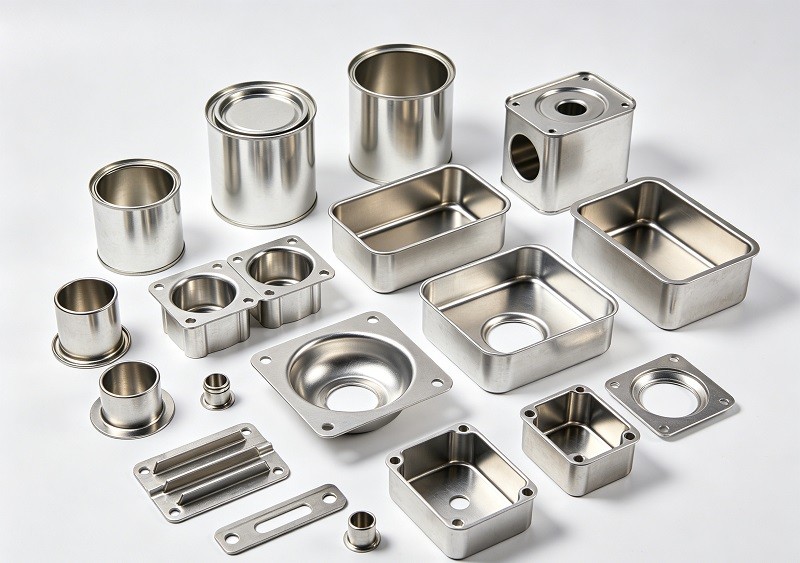
As a leading metal stamping parts supplier, we understand that manufacturing high-volume, complex components requires precision and efficiency. Choosing the right technology is key to delivering quality parts cost-effectively. Deep drawn metal stamping is a powerful method for creating intricate, hollow parts, making it an essential process for many industries. We are here to help you understand how this technology can meet your specific production needs.
This blog will explore the ins and outs of deep drawn metal stamping, its unique benefits, and how it compares to other techniques. Our goal is to empower metal stamping parts suppliers like you to make informed decisions for your high-volume projects, ensuring you select the most effective and economical manufacturing path.
What Deep Drawn Stamping Means for a Metal Stamping Parts Supplier
Deep drawn stamping is not just another metal forming technique; it is a specialized process that offers unique capabilities for creating parts that are impossible to produce with other stamping methods. For a supplier focused on high-volume orders, mastering this technology means gaining a competitive edge in producing strong, seamless, and complex components for industries ranging from automotive to aerospace and consumer electronics.
The Basics of Deep Drawn Stamping
At its core, deep drawn stamping is a sheet metal forming process where a flat sheet of metal, called a blank, is transformed into a hollow, three-dimensional part. This is achieved through the mechanical action of a punch, which pushes the metal into a forming die cavity. Unlike other processes that might stretch or thin the material, true deep drawing primarily involves controlled material flow. The process is officially termed "deep" drawing when the depth of the finished part is greater than its diameter or radius.
The basic tooling setup consists of three primary components:
- Punch: The male component that presses the metal blank into the die, forming the interior shape of the part.
- Die: The female component (a cavity) that shapes the exterior of the part as the metal flows into it.
- Blank Holder: A critical tool that applies controlled pressure to the edges of the metal blank. This pressure is essential to prevent wrinkling—a common defect caused by compressive forces—and to ensure the material flows smoothly and evenly into the die.
The process begins by cutting a blank, typically from a large coil of metal strip. This blank is then placed over the die. A press activates the punch, which descends and forces the blank into the die cavity. For complex or very deep parts, this is not a single action but a series of drawing operations, often called "reductions." In each step, the part is progressively drawn to a smaller diameter and greater length until the final geometry is achieved. The result is a seamless, one-piece component with no joints or welds.
Achieving Strength and Precision in High-Volume Production
Two of the most significant advantages of deep drawn stamping are the enhanced strength of the final part and the high degree of precision achievable, even in high-volume production runs. These benefits stem directly from the physics of the process and the quality of modern manufacturing equipment.
Enhanced Part Strength through Work Hardening A common misconception is that the deep drawing process weakens the metal by stretching it thin. In reality, the opposite is true. The process imparts significant strength to the component through a phenomenon known as work hardening or strain hardening. As the metal is forced to flow and conform to the shape of the die, its crystalline structure undergoes plastic deformation. This deformation makes the material harder and increases its tensile strength. The result is a finished part that is substantially stronger and more durable than the raw sheet metal it was made from. This intrinsic strengthening is a major benefit, as it can eliminate the need for secondary heat-treating processes, saving time and money while producing parts with superior structural integrity ideal for demanding applications.
Precision, Repeatability, and Tight Tolerances For high-volume suppliers, consistency is paramount. Deep drawn stamping excels in this area, offering exceptional accuracy and repeatability from the first part to the millionth. This precision is the result of several factors:
- Robust Tooling: High-quality dies and punches, engineered to exact specifications, are the foundation of precision. Robust tool frames and guide systems prevent flex during the stamping cycle, which is critical for minimizing dimensional variation.
- Modern Press Control: Today's advanced presses, including servo-driven and hydraulic models, allow for precise control over punch speed, pressure, and position throughout the drawing cycle. This control ensures that every part is formed under identical conditions.
- Process Optimization: Experienced suppliers use techniques like Finite Element Analysis (FEA) to simulate the drawing process before cutting steel. This allows engineers to predict and mitigate potential issues like wrinkling, tearing, or uneven wall thickness, optimizing the process for the tightest possible tolerances.
While standard tolerances are already impressive, specialized precision deep drawing can achieve tolerances as tight as ±0.01 mm. This level of accuracy makes the process suitable for even the most demanding applications in the medical, aerospace, and electronics industries.
Key Advantages for High-Volume Metal Stamping Parts Suppliers
For suppliers competing in the high-volume parts market, the choice of manufacturing technology directly impacts profitability, lead times, and customer satisfaction. Deep drawn metal stamping offers a compelling combination of speed, material efficiency, design freedom, and cost-effectiveness that makes it an indispensable process for producing complex components at scale.
Speed, Efficiency, and Reduced Material Waste
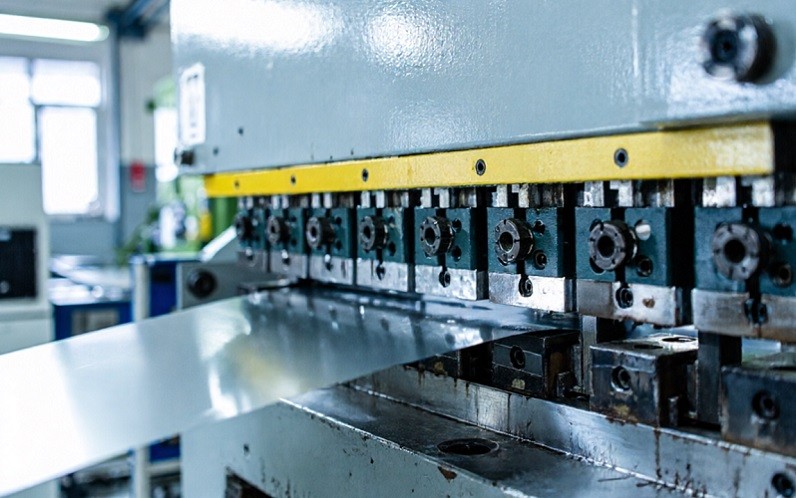
One of the foremost reasons deep drawn stamping is favored for high-volume jobs is its incredible speed and efficiency. Once the tooling is designed and installed, the production process can be highly automated. Modern transfer presses, which automatically move the part from one drawing station to the next, can achieve very rapid cycle times. While the exact speed depends on the material and part complexity, it ranges from 18-50 inches per minute for steel to 175-200 inches per minute for brass. For large-scale production runs, this translates to thousands of parts being produced efficiently, significantly shortening lead times compared to other methods. A single deep draw press line can often produce millions of parts annually.
Furthermore, deep drawing is a "net-shape" or "near-net-shape" forming process. This means that the initial metal blank is formed into the final part with very little material being removed or wasted. Unlike subtractive processes like machining, where a significant portion of a solid block of material is cut away and becomes scrap, deep drawing utilizes the vast majority of the raw material. This high material utilization is a major advantage, as it drastically reduces scrap and lowers raw material costs—a critical factor when producing parts in the hundreds of thousands or millions. In some comparisons, the scrap rate for a deep drawn part was 23%, while the same part created by machining had a 50% scrap rate. This efficiency makes deep drawing not only more cost-effective but also a more environmentally friendly manufacturing choice.
Design Flexibility and Material Versatility
The deep drawing process offers significant design freedom, allowing for the creation of complex and intricate geometries that would be difficult or costly to produce with other methods. While the process is ideal for creating basic cylindrical and rectangular (box-shaped) parts, it can also produce asymmetrical and other complex, hollow shapes. Because the part is formed from a single piece of metal, it is seamless. This monolithic construction eliminates weak points like welds or joints, making deep drawn parts ideal for applications requiring a watertight or airtight seal, such as pressure vessels or electronic enclosures.
This flexibility is complemented by the wide range of materials suitable for deep drawing. As a general rule, most ductile metals that can be cold-rolled into sheets can be successfully deep drawn. Material selection is a critical step, balancing formability with the end part's requirements for strength, corrosion resistance, and cost.
Below is a table of common materials used in deep drawing and their key attributes:
| Material Group | Specific Examples | Key Properties & Advantages for Deep Drawing | Common Applications |
|---|---|---|---|
| Steel | Low Carbon Steel (e.g., DDQ), Stainless Steel (e.g., 304, 316) | High strength, durability, excellent formability (especially DDQ grades). Stainless steel offers superior corrosion resistance. | Automotive components, appliance housings, kitchen sinks, industrial hardware. |
| Aluminum | 1100, 3003, 5052 | Lightweight, excellent corrosion resistance, high ductility, good thermal and electrical conductivity. | Beverage cans, cooking utensils, electronic enclosures, aerospace components. |
| Copper Alloys | Copper, Brass (e.g., Cartridge Brass 70/30) | Excellent electrical conductivity, high thermal conductivity, good corrosion resistance, and attractive finish. | Electrical connectors, plumbing fittings, ammunition casings, decorative items. |
| Specialty Alloys | Titanium, Kovar®, Nickel Alloys | High strength-to-weight ratio (Titanium), low thermal expansion (Kovar®), exceptional performance in extreme environments. | Aerospace components, medical implants, hermetic seals for electronics. |
This versatility allows suppliers to serve a diverse array of industries, from automotive and aerospace to medical and consumer goods, by selecting the optimal material for each specific application.
Cost-Effectiveness for Complex Components
While the initial investment in deep drawing tooling can be substantial, the process becomes exceptionally cost-effective for producing complex parts in high volumes. The economic advantage is rooted in the principle of economies of scale: as production volume increases, the cost per part decreases significantly because the one-time tooling cost is amortized over a larger number of units.
Let's break down the cost structure:
- Tooling Cost: This is the most significant upfront expense. Designing and fabricating the hardened steel dies and punches required for a specific part geometry requires expertise and precision machining. The complexity of the part directly impacts the complexity and cost of the tooling.
- Material Cost: As discussed, deep drawing is highly material-efficient, which significantly reduces the cost contribution from raw materials compared to subtractive methods.
- Per-Part (or Cycle) Cost: This includes labor, machine operation, energy, and maintenance. Due to high automation and rapid cycle times, this cost becomes very low on a per-unit basis in large runs.
When compared to a process like CNC machining, the cost dynamics are inverted. CNC machining typically has low or no tooling costs, making it ideal for prototypes and low-volume runs. However, the per-part cost is high and remains relatively constant regardless of volume, as it is directly tied to machine time and labor. Raw material costs are also higher due to the significant waste generated.
The table below illustrates the cost trade-offs:
| Cost Factor | Deep Drawn Stamping | CNC Machining |
|---|---|---|
| Initial Tooling Cost | High | Low to None |
| Per-Part Cost (High Volume) | Very Low | High |
| Production Speed/Cycle Time | Very High | Low |
| Material Waste | Low | High |
| Ideal Production Volume | High (thousands to millions) | Low (prototypes to hundreds) |
For a high-volume metal stamping parts supplier, this makes deep drawing an investment that pays dividends. It allows for the production of strong, seamless, and complex parts at a competitive price point that other processes cannot match at scale.
Deep Drawn Stamping Versus Other Methods for a Metal Stamping Parts Supplier
Choosing the right manufacturing process is a critical decision that impacts cost, quality, and lead time. For a parts supplier, understanding the nuances between deep drawing and other high-volume techniques like progressive stamping and fine blanking is essential for guiding clients to the optimal solution. Each method has distinct strengths tailored to different part geometries, precision requirements, and production scales.
Progressive Stamping: A High-Volume Alternative
Progressive die stamping, like deep drawing, is an extremely fast and efficient method for high-volume production. The core of this process is a "progressive die," a single, complex tool with multiple stations. A coil of sheet metal is fed into the press, and with each stroke, the metal strip "progresses" from one station to the next. Each station performs a distinct operation—such as cutting, punching, bending, or coining—until the final station separates the finished part from the carrier strip.
The primary distinction between the two processes lies in the part geometry they are best suited for.
- Deep Drawing excels at creating parts with significant depth—that is, where the height is greater than the part's diameter or width. It is the go-to method for producing seamless, hollow, or cup-shaped components. The process is defined by the controlled flow of material into a die cavity.
- Progressive Stamping is ideal for producing small to medium-sized parts that are relatively flat or have shallow forms. It is exceptionally good at creating parts with multiple features like holes, slots, bends, and embossed details in a single, continuous process.
While some shallow drawing can be done in a progressive die, the process is fundamentally limited by the carrier strip. The part remains attached to the metal strip until the very last operation, which restricts the material's ability to flow freely—a requirement for true deep drawing. For parts requiring substantial depth, the carrier strip would cause tearing or other defects.
In summary, while both are high-speed processes, progressive stamping is the champion for complex, flatter parts, whereas deep drawing is the unparalleled choice for creating deep, seamless, three-dimensional forms.
Fine Blanking: When Extreme Precision is Required
Fine blanking is a specialized, high-precision type of stamping that is fundamentally different from both deep drawing and conventional stamping. Its primary purpose is to produce parts with extremely smooth, sheared edges and superior flatness, often eliminating the need for secondary machining or finishing operations.
The key to fine blanking is its unique triple-action process, which involves:
- A V-Ring Clamp: Before the punching action begins, a sharp V-shaped ring on a holder plate presses into the material around the part's perimeter. This securely locks the material and prevents any outward metal flow.
- Counter-Pressure: From below, a second force applies pressure to the part, supporting it throughout the cut.
- Punching Action: With the material held under immense, tri-axial compressive stress, the punch pushes the part out of the strip.
This highly controlled process prevents the "die break" or fractured zone typical of conventional blanking and stamping. Instead of tearing the metal, it shears it cleanly, producing a 100% smooth, vertical edge. While deep drawing is about forming a 3D shape, fine blanking is about achieving unparalleled edge quality and dimensional accuracy on primarily flat parts. Tolerances can be held as tight as ±0.01mm.
Fine blanking is the ideal choice for creating functional components where edge quality is critical, such as gears, levers, cams, and other parts in moving mechanisms. It is not used to create deep, hollow shapes like deep drawing is. Therefore, the choice between them is clear: deep drawing is for depth and 3D form, while fine blanking is for exceptional precision and edge finish on flat components.
Selecting the Right Process Based on Part Specifications
Navigating the complexities of high-volume metal forming requires a clear understanding of which process best aligns with a project's specific needs. The decision hinges on a careful evaluation of four key factors: part geometry, required precision, production volume, and overall cost. As an experienced metal stamping parts supplier, providing clients with a clear framework for this choice is essential for a successful partnership.
To simplify this decision-making process, the following table provides a direct comparison of Deep Drawn Stamping, Progressive Stamping, and Fine Blanking across the most critical specifications.
| Specification | Deep Drawn Stamping | Progressive Stamping | Fine Blanking |
|---|---|---|---|
| Primary Function | Forming deep, seamless, hollow 3D parts (cups, shells, housings). | Forming relatively flat or shallow parts with multiple features (bends, holes, tabs). | Cutting extremely precise, flat parts with 100% sheared, smooth edges. |
| Part Geometry | Depth is greater than the part's diameter/width. Ideal for cylindrical, rectangular, and complex hollow shapes. | Depth is significantly less than the part's width. Ideal for brackets, clips, terminals, and lead frames. | Primarily flat parts. Not suitable for forming depth. Best for gears, cams, and levers. |
| Precision & Tolerances | High precision is achievable. Standard tolerances are tight, with specialized processes reaching higher levels. | High precision and excellent repeatability. Tolerances can be very tight, often down to +/- 0.025mm. | Extreme precision. Tolerances can reach as low as +/- 0.01mm. Unmatched flatness and edge quality. |
| Production Volume | Excellent for medium to very high volumes (tens of thousands to millions). | Ideal for very high volumes (hundreds of thousands to millions). The fastest of the three processes. | Suitable for medium to high volumes where precision justifies the cost. |
| Tooling Cost | High, due to the complexity of the multi-stage dies required for drawing. | Very high, as the die is a single complex tool containing many stations. | High, due to specialized triple-action presses and precision-ground tooling. |
| Per-Part Cost | Very low in high volumes due to speed and material efficiency. | Lowest in very high volumes due to extreme speed and automation. | Higher than other stamping methods, but often cheaper than machining the same part. |
| Material Waste | Very low. Primarily trimming scrap from the flange of the drawn part. | Low to moderate. The carrier strip that holds the part generates scrap. | Low. Precision blanking allows for efficient nesting of parts. |
| Key Advantage | Creates strong, seamless, hollow parts that are impossible with other stamping methods. | Unmatched production speed for complex, multi-featured flat parts. | Eliminates secondary finishing; produces ready-to-assemble parts with perfect edges. |
| Key Limitation | Not suitable for flat parts or parts with many intricate, non-drawn features. | Cannot produce parts with significant depth due to the limitations of the carrier strip. | Cannot create 3D forms or deep parts; limited to a cutting/shearing action. |
How to Use this Table:
- Start with Geometry: Does the part have a depth greater than its width? If yes, Deep Drawing is likely the correct path. If it's mostly flat with bends and holes, consider Progressive Stamping. If it's a flat, functional part where edge quality is paramount, look at Fine Blanking.
- Evaluate Precision: If standard stamping tolerances are sufficient, deep drawing or progressive stamping will be more cost-effective. If the part requires machined-level accuracy and perfectly smooth edges, Fine Blanking is the necessary choice, as it can eliminate costly secondary operations.
- Consider Volume and Cost: All three methods are designed for high-volume production where tooling costs can be amortized. For the absolute fastest cycle times on flat parts, Progressive Stamping often wins. For deep parts, Deep Drawing is the only viable high-volume stamping option. Fine Blanking is a value-driven choice where its higher cost is offset by eliminating the need for subsequent grinding or machining.
By methodically working through these criteria, a supplier can confidently recommend the most efficient, cost-effective, and highest-quality manufacturing process for any given high-volume component.
Partnering with the Right Metal Stamping Parts Supplier
Selecting the right manufacturing process is only half the battle. The success of a high-volume project, especially one involving the technical complexities of deep drawn stamping, hinges on the capabilities and reliability of your supplier. A true partner does more than just manufacture parts; they bring expertise, robust quality systems, and comprehensive support to the table, ensuring a seamless journey from design to delivery.
Critical Qualities to Look For in a Supplier
Not all metal stamping suppliers are created equal, especially when it comes to advanced processes like deep drawing. Choosing a partner with the right blend of experience, equipment, and expertise is crucial to avoid costly defects, delays, and quality issues. A thorough evaluation of a potential supplier should go beyond just price and focus on the qualities that indicate a true, long-term manufacturing partner.
Here are the critical qualities to look for in a deep drawn metal stamping supplier:
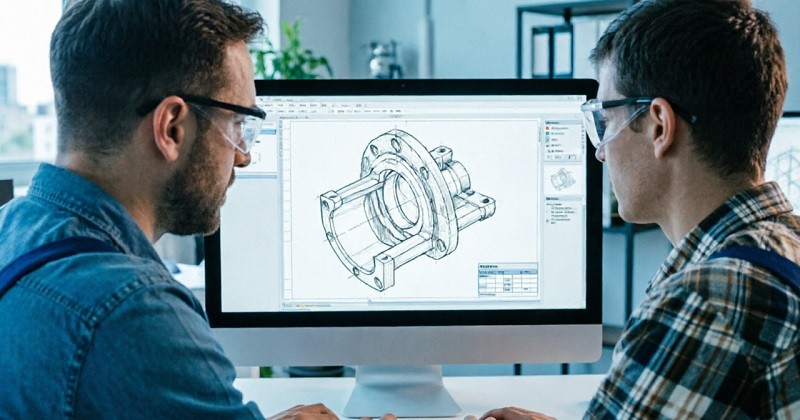
- Demonstrated Technical Expertise: The supplier should have a long and proven track record specifically in deep drawing. Ask for case studies or examples of similarly complex parts they have produced. An experienced partner can provide invaluable Design for Manufacturability (DFM) feedback, helping to optimize your part design for efficient production, reduced cost, and improved performance.
- In-House Tooling Capabilities: A supplier with an in-house team for tool design and fabrication has greater control over quality and lead times. This vertical integration allows for seamless collaboration between engineering and production, quicker troubleshooting, and better maintenance of the dies over the life of the project.
- Broad Range of Equipment & Capacity: Look for a supplier with a diverse range of presses (mechanical, hydraulic, servo) with various tonnage and bed sizes. This indicates they can handle a wide variety of part sizes and complexities. Equally important is their production capacity; ensure they can scale to meet your high-volume demands and have contingency plans to avoid disruptions.
- Material and Industry Experience: The supplier should be knowledgeable about the properties and behaviors of different metals in the deep drawing process. A supplier with experience in your specific industry (e.g., automotive, aerospace, medical) will be familiar with the relevant standards and compliance requirements, ensuring your parts meet all necessary regulations.
- Comprehensive Secondary Services: A supplier that offers a wide array of value-added services—such as heat treating, plating, cleaning, assembly, and custom packaging—can act as a one-stop shop. This simplifies your supply chain, reduces logistical complexity, and can lead to significant cost savings.
- Strong Communication and Support: A true partner is responsive and transparent. Look for a supplier that communicates effectively, provides regular updates, and offers dedicated customer support to address any questions or challenges that arise.
Ensuring Quality, Traceability, and End-to-End Support
For industries where component failure can have critical consequences, such as automotive, aerospace, and medical, ensuring part quality is non-negotiable. An exceptional metal stamping supplier provides more than just parts; they deliver confidence through rigorous quality control, complete material traceability, and dedicated end-to-end support.
Quality Control and Certifications A supplier's commitment to quality is best demonstrated by its certifications. An ISO 9001:2015 certification is the baseline, indicating that the supplier has a robust Quality Management System (QMS) in place for all its processes, from facilities and training to equipment and production. For automotive suppliers, IATF 16949 is the required standard. These certifications ensure that the supplier adheres to internationally recognized standards for consistency and continuous improvement.
A robust quality control process for deep drawn parts involves several stages:
- Incoming Material Inspection: It all starts with the raw material. The supplier should verify that the incoming metal coils meet all specifications for thickness, hardness, and chemical composition before they enter production.
- In-Process Inspection: During the stamping run, continuous monitoring is essential. This often involves automated sensors, vision systems, and regular dimensional checks by operators using precision tools like calipers and CMMs (Coordinate Measuring Machines). Statistical Process Control (SPC) is used to monitor the consistency of the process and identify any variations in real-time.
- Final Inspection: Before shipment, a thorough final inspection verifies that the finished parts meet all dimensional, functional, and cosmetic requirements.
Material Traceability Traceability is the ability to track every component and the raw materials used in its production from start to finish. In modern manufacturing, this is no longer a luxury but a necessity. A supplier with a strong traceability system can pinpoint the exact batch of raw material, the production date, and the specific machines and operators involved for every part they ship.
The importance of this cannot be overstated. If a defect is discovered, traceability allows for a swift and targeted root-cause analysis, minimizing the scope of any potential recall and preventing the issue from recurring. For customers, it provides an essential layer of security and accountability, assuring them that the materials and processes used meet the highest standards.
End-to-End Support A true manufacturing partner offers comprehensive, end-to-end support that covers the entire product lifecycle. This means they are involved from the initial concept design and prototyping all the way through to mass production, quality assurance, finishing, and global distribution. By providing a vertically integrated, "one-stop-shop" solution, a supplier can significantly streamline a customer's supply chain, reduce lead times, and lower overall costs. This holistic approach ensures that every step of the manufacturing journey is managed with expertise and a commitment to quality.
Conclusion
In conclusion, deep drawn metal stamping stands out as a premier manufacturing technology for suppliers focused on high-volume production. It offers an unparalleled combination of benefits for creating complex, hollow components, delivering exceptional strength through work hardening, high precision, and remarkable cost-effectiveness at scale. The ability to produce seamless parts from a single piece of metal not only enhances structural integrity but also opens up design possibilities that are unattainable with other methods.
By thoroughly understanding the specific advantages of deep drawing—from its impressive speed and material efficiency to its design flexibility—and carefully evaluating project requirements against alternative techniques like progressive stamping and fine blanking, suppliers can make strategic decisions that ensure optimal manufacturing outcomes. This critical analysis is the foundation for delivering parts that meet the highest standards of quality and performance.
Ultimately, the key to success lies in collaboration. We encourage you to partner with experienced metal stamping parts suppliers who possess not only the advanced equipment but also the deep engineering expertise and robust quality control systems necessary to consistently deliver exceptional custom parts. Such a partnership transforms a simple supplier relationship into a strategic asset, driving innovation and ensuring your project's success from concept to completion. We invite you to share this article and engage in further discussion about how this powerful technology can benefit your next high-volume project.