Understanding Custom Metal Shielding Frame Stamping for EMI/RF Design
- Share
- Issue Time
- Jan 20,2026
Summary
Premium Custom Metal Shielding Frame Stamping made from SPCC material, featuring tin plating for fiber optic communication. OEM & ODM available for wholesale!
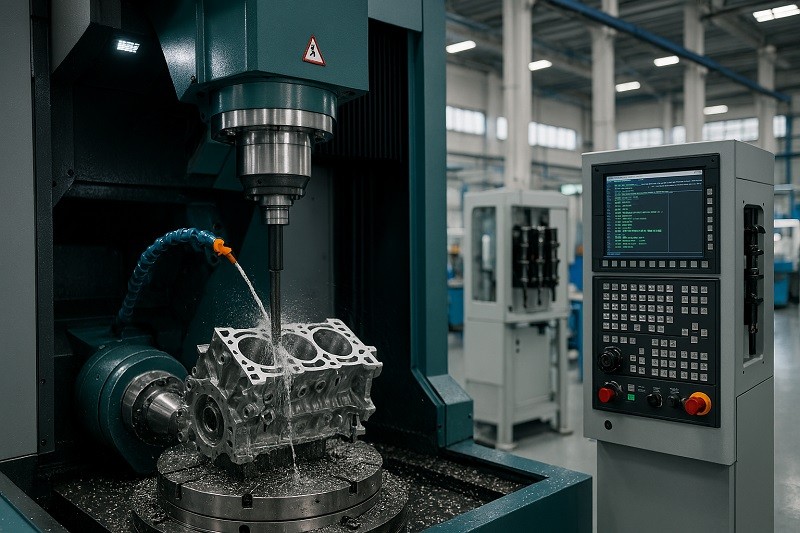
As technology continues its rapid advancement, the reliable functioning of electronic devices has become increasingly vital. However, these advancements bring forth challenges, particularly in the realm of electromagnetic interference (EMI) and radio frequency interference (RFI). Unwanted signals can disrupt device performance, compromise data integrity, and even lead to hardware failure. This is where the crucial role of custom metal shielding frame stamping comes into play. We'll explore how precise manufacturing techniques address these critical issues, focusing on creating effective barriers against electromagnetic disturbances.
EMI and RFI are pervasive in our modern world, originating from various sources like electronic devices, power lines, and wireless networks. Without adequate protection, these interferences can significantly degrade the quality and functionality of sensitive equipment. Engineers and designers leverage custom metal shielding frame stamping to attenuate these unwanted signals, ensuring the seamless operation of a wide array of electronic systems from consumer gadgets to sophisticated aerospace components. Choosing the right shielding is paramount for optimal performance and regulatory compliance.
Understanding EMI and RFI: Why Custom Metal Shielding Frame Stamping is Essential
To appreciate the value of precision shielding, we must first understand the disruptive forces it is designed to combat. EMI and RFI are invisible yet potent threats to modern electronics. Their proliferation has made shielding not just an accessory, but a fundamental component of robust electronic design.
What is EMI and RFI, and How Does it Affect Devices?
Electromagnetic Interference (EMI) and Radio Frequency Interference (RFI) are disturbances that affect an electrical circuit due to either electromagnetic induction or electromagnetic radiation emitted from an external source. While the terms are often used interchangeably, RFI is technically a subset of EMI, specifically referring to interference within the radio frequency spectrum (typically from 20 kHz to 300 GHz). In essence, EMI is any unwanted electromagnetic energy that disrupts the proper functioning of a device.
These disturbances can originate from a wide variety of sources, which can be broadly categorized as either natural or man-made:
- Natural Sources: Events like lightning strikes, solar flares, and electrostatic discharge (ESD) can generate powerful, short-lived electromagnetic pulses.
- Man-made Sources: This category is vast and growing. It includes everything from high-power sources like radio transmitters and power lines to everyday items like microwave ovens, electric motors, mobile phones, and even the internal components of a device itself, such as switch-mode power supplies and high-speed digital clocks.
Interference travels from its source to a victim device through two primary pathways:
- Conducted EMI: The noise travels along electrical conductors such as power lines, signal cables, or traces on a printed circuit board (PCB).
- Radiated EMI: The noise travels through the air as an electromagnetic wave, much like a radio signal. This is where shielding becomes critically important.
The effects of EMI and RFI on electronic devices can range from minor annoyances to catastrophic failures:
- Signal Degradation: It can introduce noise into audio and video signals, causing static, "snow," or distorted images.
- Data Corruption: In digital systems, interference can flip bits, leading to corrupted data, software crashes, and system lockups.
- Component Damage: A powerful electromagnetic pulse, such as from lightning or a high-power source, can permanently damage sensitive electronic components.
- Loss of Functionality: Critical systems in automotive, medical, and aerospace applications can experience intermittent or total failure, posing significant safety risks.
The Critical Need for Custom Metal Shielding Frame Stamping
As electronic devices become smaller, faster, and more densely packed, their susceptibility to EMI—and their potential to generate it—increases dramatically. Standard, off-the-shelf shielding solutions often fail to meet the unique geometric and performance requirements of modern, compact designs. This is where the critical need for custom metal shielding frame stamping emerges.
Customization allows for the creation of a 'Faraday cage' that is perfectly tailored to the specific components or sections of a PCB that need protection. The benefits are manifold:
- Optimized Performance: A custom-stamped shield provides the precise shape, size, and material properties needed to attenuate the specific frequencies of concern, ensuring the device operates at its peak performance. Generic solutions may be too large, have gaps, or be made of a sub-optimal material.
- Enhanced Reliability: By isolating sensitive components from both internal and external noise, custom shields prevent data errors and system failures, leading to a more reliable and long-lasting product.
- Space Efficiency: In compact devices like smartphones and wearables, every millimeter matters. Custom stamping produces low-profile, form-fitting shields that provide maximum protection with a minimal footprint, something impossible to achieve with bulky, one-size-fits-all enclosures.
- Regulatory Compliance: Governments and international bodies mandate strict limits on the amount of EMI a device can emit. Custom shielding is often essential for passing stringent regulatory tests like those from the FCC (Federal Communications Commission) in the United States or for obtaining the CE mark in Europe.
Essentially, custom metal shielding frame stamping is not just about blocking noise; it is a strategic design process that ensures a product is reliable, compliant, and performs as intended in the increasingly crowded electromagnetic environment of the modern world.
Materials and Methods in Custom Metal Shielding Frame Stamping
The effectiveness of an EMI shield is not determined by its presence alone but is deeply rooted in the materials used and the precision of its manufacturing process. Choosing the right material and fabrication method is a critical engineering decision that balances shielding performance, mechanical properties, cost, and production volume.
Key Material Considerations for Effective Custom Metal Shielding Frame Stamping
The primary function of an EMI shield is to block electromagnetic waves through reflection and absorption. The choice of material dictates how effectively it can perform this function across different frequency ranges. The two most important properties are electrical conductivity and magnetic permeability.
- Electrical Conductivity: High conductivity is essential for reflecting electromagnetic waves. Materials like copper, aluminum, and tin-plated steel are excellent reflectors, making them effective against the electric field component of EMI, which is dominant at higher frequencies.
- Magnetic Permeability: High magnetic permeability is crucial for absorbing magnetic fields, which are the primary concern at lower frequencies. Materials like steel and specialized nickel-iron alloys (e.g., Mu-metal) excel at this by drawing in the magnetic field lines and converting the energy to a minute amount of heat.
Here is a comparison of common materials used for custom metal shielding:
| Material | Key Properties | Shielding Effectiveness | Cost | Common Applications |
|---|---|---|---|---|
| Tin-Plated Steel | Good permeability, moderate conductivity, excellent solderability, strong. | Very good for low-frequency magnetic and broad-spectrum EMI. | Low | General-purpose PCB shields, enclosures, frames. |
| Copper | Excellent conductivity, low permeability. | Excellent for high-frequency electric fields (reflection). | High | High-performance RF shields, grounding planes. |
| Aluminum | Very good conductivity, lightweight, non-magnetic. | Excellent for high-frequency shielding, particularly where weight is a concern. | Moderate | Aerospace components, lightweight enclosures. |
| Brass (Copper/Zinc) | Good conductivity, easily formed. | Good for a wide range of frequencies, often used when soldering is required. | Moderate | PCB-level shields, connectors. |
| Mu-metal (Nickel-Iron) | Extremely high magnetic permeability. | Unmatched for low-frequency magnetic field shielding (absorption). | Very High | Shielding sensitive sensors, transformers, medical equipment (MRI). |
| Stainless Steel | Good structural strength, corrosion resistance. | Moderate shielding performance, can be enhanced with plating. | Moderate | Rugged enclosures, medical devices requiring sterilization. |
The thickness of the material also plays a vital role. While a thicker shield generally provides better absorption, especially at low frequencies, it adds weight, size, and cost. A designer must carefully balance these factors to select the optimal material and thickness for the specific application.
Diverse Shielding Options beyond Custom Metal Shielding Frame Stamping
While stamped metal frames are a dominant solution, particularly for board-level shielding in mass-produced devices, other forms of shielding are used depending on the application's unique requirements.
Conductive Fabrics and Metal Meshes
For applications requiring flexibility, breathability, or optical transparency, conductive fabrics and metal meshes offer a viable alternative to solid metal.
- Conductive Fabrics: These are textiles woven with or plated with conductive metals like copper, nickel, or silver. They are lightweight, flexible, and can be cut and sewn to fit highly irregular shapes. They are commonly used for creating shielded gaskets, cable wraps, and protective enclosures for test environments.
- Metal Meshes: Woven wire meshes, often made from monel, copper, or stainless steel, can be integrated into displays and windows. They provide effective EMI shielding while allowing for a high degree of light transmission. The size of the openings in the mesh is a critical design parameter, as it determines the highest frequency that can be effectively blocked. They are essential for shielded viewing windows in medical equipment and military displays.
Aluminum and Silver-Plated Foils
Foil and tape-based shielding solutions are excellent for prototyping, retrofitting, and providing supplemental shielding in tight spaces.
- Aluminum Foils: Aluminum foil is a cost-effective material that provides good reflection shielding at higher frequencies. It is often supplied with a conductive adhesive backing, making it easy to apply to the inside of plastic enclosures or to wrap around specific components.
- Silver-Plated Foils: For applications demanding the highest level of performance, silver-plated foils and tapes offer superior conductivity. This translates to better reflection and overall shielding effectiveness, especially at very high frequencies, though at a higher cost.
These alternative solutions highlight the versatility required in EMI protection, though for robust, high-volume production, a precisely engineered stamped metal shield often provides the most reliable and cost-effective outcome.
The Process of Precision Custom Metal Shielding Frame Stamping
Creating a custom metal shield involves more than just choosing a material; it requires a manufacturing process that can produce complex geometries with tight tolerances, without compromising the material's inherent properties. Two primary methods dominate the field: chemical etching and metal stamping.
Chemical Etching: A Low-Stress Approach
Photochemical etching (or photo-etching) is a precision manufacturing process that uses a combination of UV light and chemical etchants to selectively dissolve metal, creating highly detailed parts.
The Process:
- A sheet of metal is cleaned and laminated with a UV-sensitive photoresist.
- A "phototool" (a film negative of the part design) is placed over the sheet, which is then exposed to UV light. The light hardens the photoresist in the areas that will form the final part.
- The unhardened resist is washed away, exposing the raw metal underneath.
- The sheet is sprayed with a high-pressure chemical etchant that dissolves the exposed metal, leaving only the desired, resist-protected parts.
- Finally, the protective photoresist is stripped off.
Advantages:
- Stress- and Burr-Free: Unlike mechanical processes, etching does not induce stress or create burrs on the part, preserving the material's magnetic and mechanical integrity.
- Complex Geometries: It is ideal for producing parts with intricate designs, fine features, and channels that would be difficult or impossible to stamp.
- Low Tooling Costs: The phototool is inexpensive to produce, making this method highly cost-effective for prototyping and low-to-medium volume production runs.
Stamping for High-Volume Production
Metal stamping is a cold-forming process that uses a die and a press to shape sheet metal into the desired form. For EMI shields, this typically involves progressive die stamping, where a coil of metal is fed through a series of stations, each performing a specific cutting, bending, or forming operation until the final part is complete.
The Process:
- Die Design & Creation: A custom, multi-stage die is engineered and built from hardened tool steel. This is the most significant upfront investment.
- Press Setup: The die is installed in a mechanical or hydraulic press, and a coil of the chosen shielding material is fed into it.
- Progressive Stamping: With each stroke of the press, the metal strip advances through the die, and multiple operations (e.g., piercing holes, bending walls, forming features) are performed simultaneously.
- Part Ejection: The finished shield is cut from the strip at the final station.
Advantages:
- High Speed and Low Unit Cost: Once the die is made, stamping is an incredibly fast process, capable of producing thousands of parts per hour. This makes the per-part cost extremely low for high-volume production.
- Strength and Repeatability: Stamping creates strong, durable parts with exceptional dimensional consistency from the first part to the millionth.
- Feature Integration: Features like embossed logos, strengthening ribs, snap-on clips, and grounding contacts can be integrated directly into the stamping process.
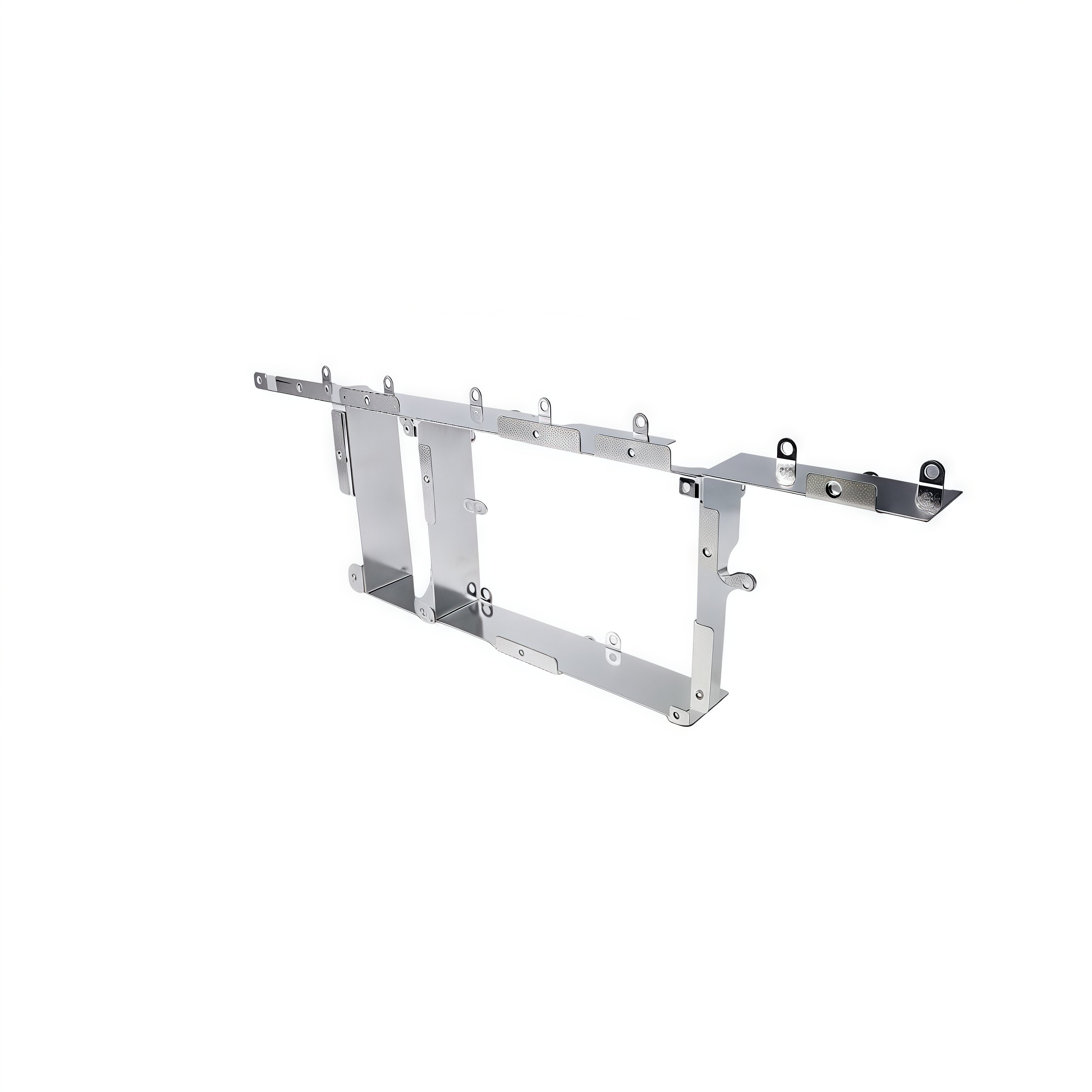
For components requiring both structural integrity and effective shielding, such as those found in telecommunications and enterprise hardware, manufacturers often rely on Metal stamping custom parts SPCC material to create robust and reliable frames.
Applications of Custom Metal Shielding Frame Stamping Across Industries
The need to control electromagnetic interference is universal in electronics, making custom shielding a critical component in nearly every major industry. From ensuring data integrity in massive server farms to protecting life-saving medical devices, custom-stamped metal shields provide the tailored protection necessary for modern technology to function reliably.
Protecting Sensitive Electronics with Custom Metal Shielding Frame Stamping in Data Centers and Healthcare
In environments where reliability is non-negotiable, EMI shielding is a top priority.
Data Centers: Data centers are incredibly dense electromagnetic environments. Racks filled with servers, switches, and power supplies all generate and are susceptible to EMI. Uncontrolled interference can lead to "crosstalk" between adjacent systems, resulting in dropped data packets, reduced network throughput, and corrupted storage. Custom metal shields are used extensively to:
- Isolate individual server blades and components.
- Shield high-speed data cables and connectors.
- Enclose power distribution units to prevent noise from contaminating sensitive logic circuits.
By using precisely formed shields, data center equipment manufacturers ensure the high-speed data integrity and uptime that their customers depend on.
Healthcare: The medical field relies on a vast array of electronic devices where failure is not an option. From diagnostic imaging to patient monitoring, EMI can have life-threatening consequences. For instance, interference from a mobile phone could disrupt an infusion pump, or noise from a fluorescent light ballast could distort an EKG reading. International standards, such as IEC 60601-1-2, impose strict requirements for electromagnetic compatibility on medical devices. Custom metal shielding is indispensable for:
- Protecting sensitive biosensors in patient monitors.
- Shielding the imaging components in MRI and CT scanners from external RF noise.
- Ensuring the reliable operation of life-support equipment like ventilators and pacemakers.
Enhancing Performance with Custom Metal Shielding Frame Stamping in Consumer Electronics and Automotive
In high-volume, competitive markets, performance and user experience are directly tied to effective EMI management.
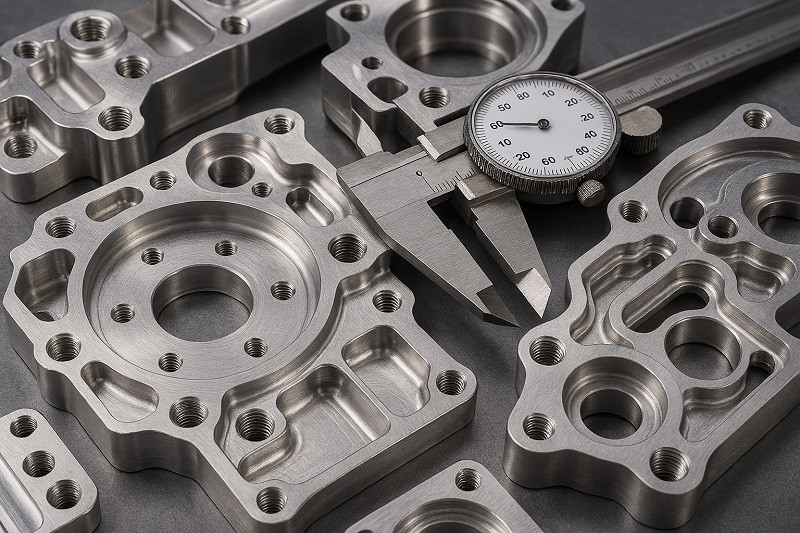
Consumer Electronics: Modern smartphones, laptops, tablets, and gaming consoles pack incredible functionality into shrinking form factors. This density is a recipe for EMI problems, as high-frequency processors, Wi-Fi/Bluetooth radios, and display drivers are placed in close proximity. Custom-stamped "can" shields are ubiquitous on these devices' PCBs. They serve to:
- Isolate the RF section from the digital logic section to prevent self-interference.
- Improve antenna performance by shielding it from noise.
- Help the device pass mandatory FCC and CE emissions testing.
Automotive: A modern vehicle is a network of over 100 electronic control units (ECUs) managing everything from the engine and transmission to safety systems like airbags and ADAS (Advanced Driver-Assistance Systems). The automotive environment is electromagnetically harsh, with noise from ignition systems, electric motors, and high-power alternators. Shielding is critical for:
- Protecting the processors that control engine timing and fuel injection.
- Ensuring the reliability of radar and camera sensors used in ADAS.
- Preventing RFI from degrading the performance of the infotainment system and GPS navigation.
Custom-stamped shields and enclosures protect these critical systems, ensuring both vehicle safety and functionality.
Ensuring Reliability with Custom Metal Shielding Frame Stamping in Military and Aerospace
For military and aerospace applications, electronics must perform flawlessly in the most extreme conditions imaginable, including exposure to intentional jamming and high-powered radar.
Military: Military hardware must adhere to exceptionally stringent EMI/EMC standards, most notably MIL-STD-461. This standard governs the electromagnetic emission and susceptibility characteristics of equipment to ensure interoperability and mission success. Custom shielding is used to protect:
- Communications Systems: Ensuring secure, clear radio communication without interference or eavesdropping.
- Guidance and Navigation: Protecting GPS receivers and inertial measurement units from jamming and disruption.
- Electronic Warfare Systems: Shielding sensitive receivers and powerful transmitters used in signals intelligence and countermeasures.
Aerospace: In aircraft and spacecraft, "fly-by-wire" systems, avionics, and communication links are all safety-critical. Any interference could be catastrophic. The high-altitude environment also exposes electronics to greater levels of cosmic radiation. Custom metal shields, often made from lightweight materials like aluminum, are vital for:
- Protecting flight control computers from all forms of EMI.
- Shielding satellite communication hardware.
- Ensuring the accuracy of navigation and landing systems.
In these high-stakes industries, custom metal shielding frame stamping is not just a best practice—it is an absolute necessity for reliability and safety.
Designing for Success: Considerations in Custom Metal Shielding Frame Stamping
Effective EMI shielding is not an afterthought; it is an integral part of the electronic design process. A successful shielding strategy involves a careful balancing act between electrical performance, mechanical constraints, thermal management, and regulatory requirements. Getting this balance right from the beginning saves time, reduces costs, and results in a more robust and reliable product.
Balancing Application Requirements and Material Thickness in Custom Metal Shielding Frame Stamping
One of the most fundamental design decisions is choosing the material and its thickness. This choice is a trade-off between shielding effectiveness (SE), weight, cost, and manufacturability.
- Shielding Effectiveness (SE): This metric, measured in decibels (dB), indicates how much a shield reduces an electromagnetic field. A higher dB value means better performance. The SE of a material depends on its conductivity, permeability, and thickness, as well as the frequency of the interference.
- Material Thickness:
- Absorption Loss: For magnetic fields (low frequency), absorption is the primary shielding mechanism. Absorption loss increases with frequency, permeability, and the square root of the thickness. A thicker, more permeable material like steel is better here.
- Reflection Loss: For electric fields (high frequency), reflection is dominant. Reflection loss is primarily determined by the material's conductivity; thickness plays a lesser role. A thin layer of a highly conductive material like copper or aluminum is very effective.
- Application Requirements: The designer must consider the specific needs of the product. An aerospace application might prioritize a lightweight material like aluminum, while a stationary piece of industrial equipment might use thicker, less expensive steel for maximum low-frequency shielding. For a solderable PCB shield, tin-plated steel is often the best compromise of performance, cost, and ease of assembly.
The key is to model or test for the specific frequencies of concern and select the most cost-effective material and thickness combination that provides the required shielding effectiveness without adding unnecessary weight or bulk.
Thermal Management and Frequency Range Optimization for Custom Metal Shielding Frame Stamping
Enclosing heat-generating components like processors or power amplifiers in a metal box can create a thermal problem. A sealed shield can trap heat, raising the component's temperature and potentially leading to performance throttling or premature failure. This requires designers to integrate thermal management solutions with their shielding.
- Ventilation: One common solution is to add holes or vents to the shield. However, this creates apertures through which EMI can leak. The design of these vents is critical: many small holes provide better shielding than one large hole of the same total area. The general rule is that the maximum dimension of a hole should be less than one-twentieth of the wavelength of the highest frequency to be blocked.
- Thermal Interface Materials (TIMs): Another approach is to use a solid, unvented shield and bridge the thermal path from the hot component to the shield using a thermal pad or grease. The shield itself then acts as a heat spreader or can be attached to a larger heatsink. This provides excellent EMI performance and effective cooling.
Frequency Range Optimization: A shield is not equally effective at all frequencies. The design—including material, thickness, and the geometry of seams and apertures—must be optimized for the specific frequency range causing the problem.
- Low Frequencies (<100 kHz): Shielding is dominated by absorption. High-permeability materials (mu-metal, steel) are required.
- Mid-Frequencies (100 kHz - 100 MHz): Both absorption and reflection are important. Materials like steel or copper are effective.
- High Frequencies (>100 MHz): Shielding is dominated by reflection. High-conductivity materials (copper, aluminum) are ideal. Seams and gaps in the shield become a major source of leaks at these frequencies and must be minimized or gasketed.
Achieving Regulatory Compliance with Custom Metal Shielding Frame Stamping
Bringing an electronic product to market requires it to pass mandatory electromagnetic compatibility (EMC) testing. These regulations are in place to ensure that a device does not emit excessive EMI that could interfere with other devices and that it is reasonably immune to interference from its environment.
Key regulatory standards include:
- FCC Part 15 (USA): Regulates unintentional radiators, covering nearly all digital electronic devices sold in the United States.
- CE Mark (Europe): Indicates conformity with health, safety, and environmental protection standards for products sold within the European Economic Area. The EMC Directive is a key component of this.
- MIL-STD-461 (Military): A set of stringent requirements for military subsystems and equipment, covering emissions and susceptibility across a wide frequency range.
Designing for compliance from the outset is far more efficient than trying to fix a failed product. Custom metal shielding is a primary tool for achieving compliance. During the design phase, engineers use best practices like ensuring a continuous, low-impedance ground connection for the shield and minimizing apertures. Proper shielding can be the difference between a product that passes testing on the first try and one that requires expensive and time-consuming redesigns. A well-designed, custom-stamped shield is often the most reliable way to meet these strict regulatory limits.
Conclusion
The burgeoning demand for electronic devices across all sectors necessitates advanced solutions for EMI and RFI protection. Custom metal shielding frame stamping stands as a highly effective method to safeguard sensitive components, ensuring both performance and longevity. By understanding the nuances of materials like tin-plated steel and copper, manufacturing processes such as precision stamping and chemical etching, and critical design considerations like thermal management and regulatory compliance, we can develop robust shielding solutions tailored to the specific needs of any application.
Ultimately, the success of any electronic device in today's electromagnetically noisy environment hinges on robust EMI/RFI shielding. When considering a partner for your custom metal shielding needs, look for expertise in material science, precision manufacturing, and adherence to regulatory standards. SOMI Custom Parts provides Custom Metal Shielding Frame Stamping in SPCC Material with Tin Plating for Optical Fiber Signal Communication, offering OEM & ODM Services for Wholesale Clients, ensuring your innovations are protected and perform flawlessly. By prioritizing a strategic approach to shielding, designers and engineers can deliver products that are not only powerful and innovative but also exceptionally reliable.
We encourage you to share this article with colleagues who are tackling the challenges of electronic design and to leave your comments below with any questions or insights on the critical role of EMI shielding.