The Technology of Precision Machining Services for Aluminum in Electronics
- Share
- Issue Time
- Jan 6,2026
Summary
Explore precision machining technologies for aluminum in electronics: combining high strength, lightweight properties, excellent thermal conductivity, and CNC machining to produce high-precision components for smartphones, aerospace devices, and more.
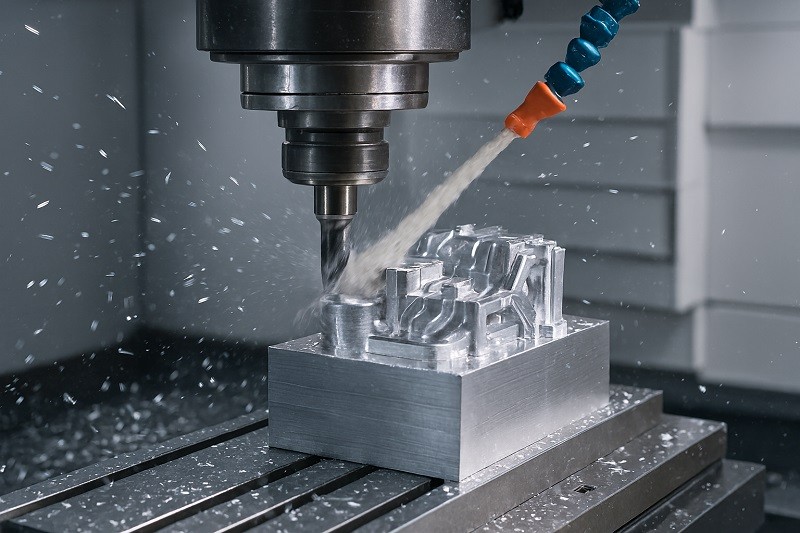
As technology continues to advance at an incredible pace, the demand for sophisticated and reliable electronic devices has never been higher. Behind the sleek designs and powerful performance of our smartphones, laptops, and even satellites, lies a critical element: precision-machined components. In this blog, we'll explore the essential role of Precision Machining Services for Aluminum in the electronics industry, a partnership that drives innovation and efficiency.
Aluminum, with its unique blend of properties, has become the material of choice for countless electronic applications. When combined with the unparalleled accuracy and repeatability of CNC (Computer Numerical Control) machining, we unlock the ability to create complex and durable parts that are fundamental to modern technology. Join me as we delve into how this powerful combination shapes the world around us.
The journey from raw material to a high-performance electronic component is a testament to engineering ingenuity. Understanding the advantages of aluminum and the meticulous processes of precision machining services for aluminum will shed light on why this duo is indispensable in today's electronics landscape.
Why Aluminum is the Material of Choice for Precision Machining Services for Aluminum in Electronics
Aluminum's prevalence in the electronics industry is no accident. It offers a unique and powerful combination of properties that make it an ideal substrate for creating everything from the sleek, durable cases of consumer devices to critical internal components like heat sinks and circuit boards. While pure aluminum can be soft, it becomes remarkably strong when alloyed with other elements, making it an engineering powerhouse. Let's explore the specific characteristics that establish aluminum as the go-to material for high-performance electronics.
Exceptional Strength-to-Weight Ratio
The strength-to-weight ratio, also known as specific strength, measures a material's strength relative to its mass. It's calculated by dividing the material's tensile strength by its density. Aluminum's density is approximately 2.7 g/cm³, which is about one-third that of steel. This inherent lightness, combined with the significant strength gains achieved through alloying, gives aluminum an exceptional strength-to-weight ratio. While steel may have higher absolute strength, some aluminum alloys provide nearly twice the strength per unit of weight, making them superior in applications where minimizing mass is paramount. This unique characteristic is a primary driver for its adoption in industries where efficiency and portability are non-negotiable, including aerospace, automotive, and, most importantly, electronics.
Ideal for Portable Devices
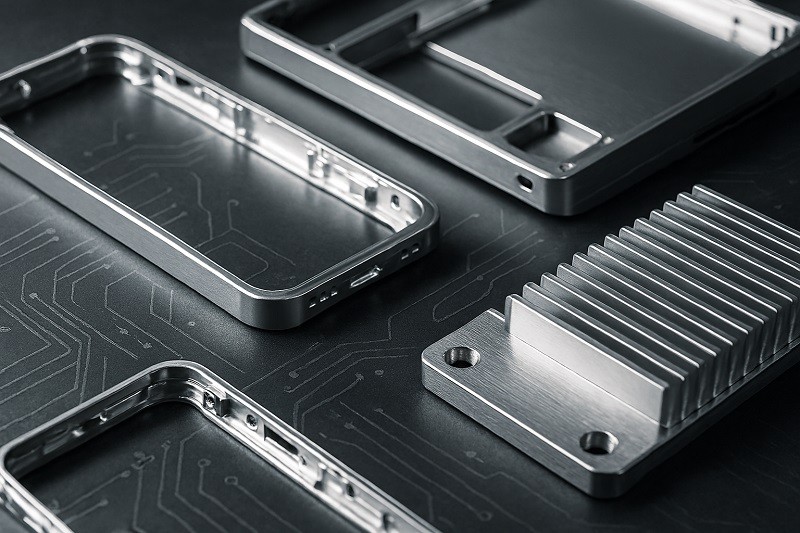
The modern consumer demands electronics that are not only powerful but also lightweight and portable. This is where aluminum's high strength-to-weight ratio shines. For devices like smartphones, tablets, laptops, and wearables, every gram matters. Using aluminum allows manufacturers to create robust, durable enclosures and structural frames that protect sensitive internal components from drops and impacts without adding unnecessary bulk. The result is a premium-feeling device that is both resilient and easy to carry, a balance that is difficult to achieve with other materials. High-end smartphones and ultrabooks frequently use aluminum alloys for their casings, providing a perfect blend of a sleek, modern aesthetic with the ruggedness needed for daily use.
Superior Thermal and Electrical Conductivity
Beyond its structural benefits, aluminum possesses excellent thermal and electrical properties that are critical for the functionality and longevity of electronic devices. It is a fantastic conductor of both heat and electricity, which is vital for the construction and operation of electronic components.
Efficient Heat Dissipation
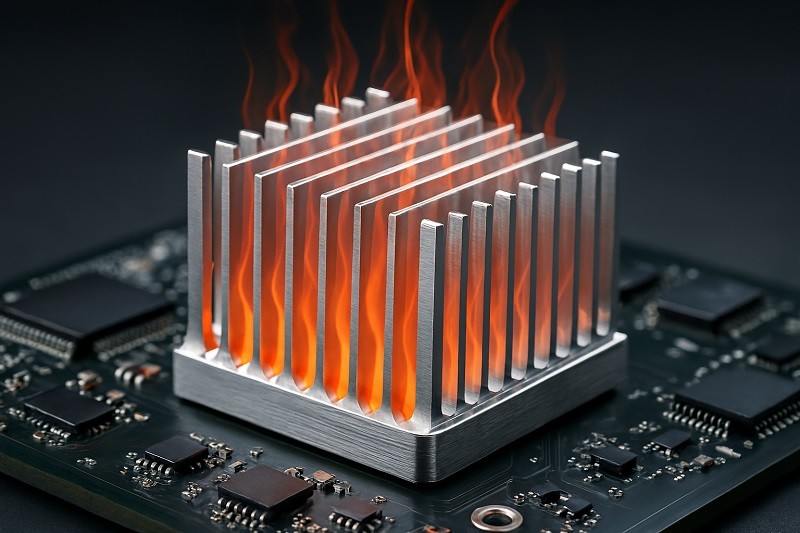
Electronic components, especially processors and power modules, generate a significant amount of heat during operation. If not managed effectively, this heat can degrade performance, reduce the component's lifespan, and even lead to catastrophic failure. Aluminum's excellent thermal conductivity makes it an ideal material for heat sinks and other cooling components. A heat sink's function is to absorb thermal energy from a component and dissipate it into the surrounding air.
While copper has a higher thermal conductivity of around 400 W/m·K compared to aluminum's approximate 237 W/m·K, aluminum is often preferred due to several other factors. Aluminum is significantly lighter, with about 30% of the density of copper, and costs roughly one-third as much, making it a more practical and economical choice for many applications. Its ability to be easily extruded into complex fin geometries further enhances its heat dissipation capabilities, providing a cost-effective solution for thermal management in computers, gaming consoles, LED lighting, and power electronics.
Critical for Circuitry
Aluminum also exhibits good electrical conductivity, which is essential for many electronic applications. This property allows it to be used in various electrical components, including connectors, cables, and even as conductive layers in printed circuit boards (PCBs). For instance, aluminum electrolytic capacitors are widely used due to their high capacitance and long lifespan. In some applications, aluminum has replaced copper for wiring and electrical distribution, primarily due to its lighter weight and lower cost. Aluminum-based PCBs are particularly valuable in high-power applications, such as power electronics and automotive systems, where their ability to dissipate heat is just as important as their electrical conductivity.
Inherent Corrosion Resistance
Durability is a key concern in electronics, and materials must be able to withstand various environmental conditions without degrading. Aluminum excels in this area due to its natural ability to resist corrosion.
Extended Product Lifespan
When aluminum is exposed to air, it rapidly forms a thin, dense, and tightly adhering layer of aluminum oxide (Al₂O₃) on its surface. This passive oxide film, though only a few nanometers thick, is incredibly stable and acts as a protective barrier, isolating the base metal from moisture and other corrosive agents in the environment. Unlike rust on iron or steel, which is flaky and porous, this oxide layer is self-healing; if it gets scratched or damaged, it instantly reforms as long as oxygen is present.
This natural protection makes aluminum highly resistant to corrosion in most neutral environments (pH range of about 4 to 9). This property is invaluable for electronic devices that may be used outdoors or in humid conditions, ensuring that enclosures and connectors do not degrade over time. For even greater protection in harsh environments, the oxide layer can be artificially thickened and hardened through a process called anodizing, further enhancing the product's durability and lifespan.
Ease of Machinability
A material's theoretical advantages are only useful if it can be efficiently and accurately shaped into functional parts. Aluminum is renowned for its excellent machinability, making it a favorite among manufacturers. This term refers to the ease with which a material can be cut, shaped, and finished.
Aluminum alloys are generally easier to machine than many other metals, including steel and titanium. They allow for faster cutting speeds and require less cutting force, which translates into reduced production time and lower costs. The lower cutting force also results in less wear on machining tools, further contributing to cost savings. The material's tendency to form chips that are easily cleared from the cutting zone helps in achieving a high-quality surface finish with minimal post-processing. This combination of speed, cost-effectiveness, and quality makes processes like Precision Machining Services for Aluminum a highly efficient method for producing the intricate and precise components demanded by the electronics industry.## The Art of Precision Machining Services for Aluminum: Crafting Electronic Components
Creating high-performance electronic components from aluminum is a process where art meets science. It relies on the sophisticated technology of Computer Numerical Control (CNC) machining to transform a solid block of aluminum into a finished part with remarkable accuracy. This subtractive manufacturing process uses computer-guided tools to selectively remove material, layer by layer, until the final, desired shape is achieved. The "art" lies in the strategic planning of toolpaths, the selection of cutting tools, and the optimization of machine parameters to achieve seemingly impossible geometries and finishes. It is this mastery that allows for the creation of components that are not only functional but also aesthetically refined.
Unparalleled Precision and Accuracy
In the world of electronics, where components are continuously shrinking and complexity is increasing, precision is not just a desirable trait—it is an absolute necessity. CNC machining is defined by its ability to produce parts that adhere strictly to the design specifications, often with microscopic levels of deviation.
Meeting Strict Tolerances for Electronics
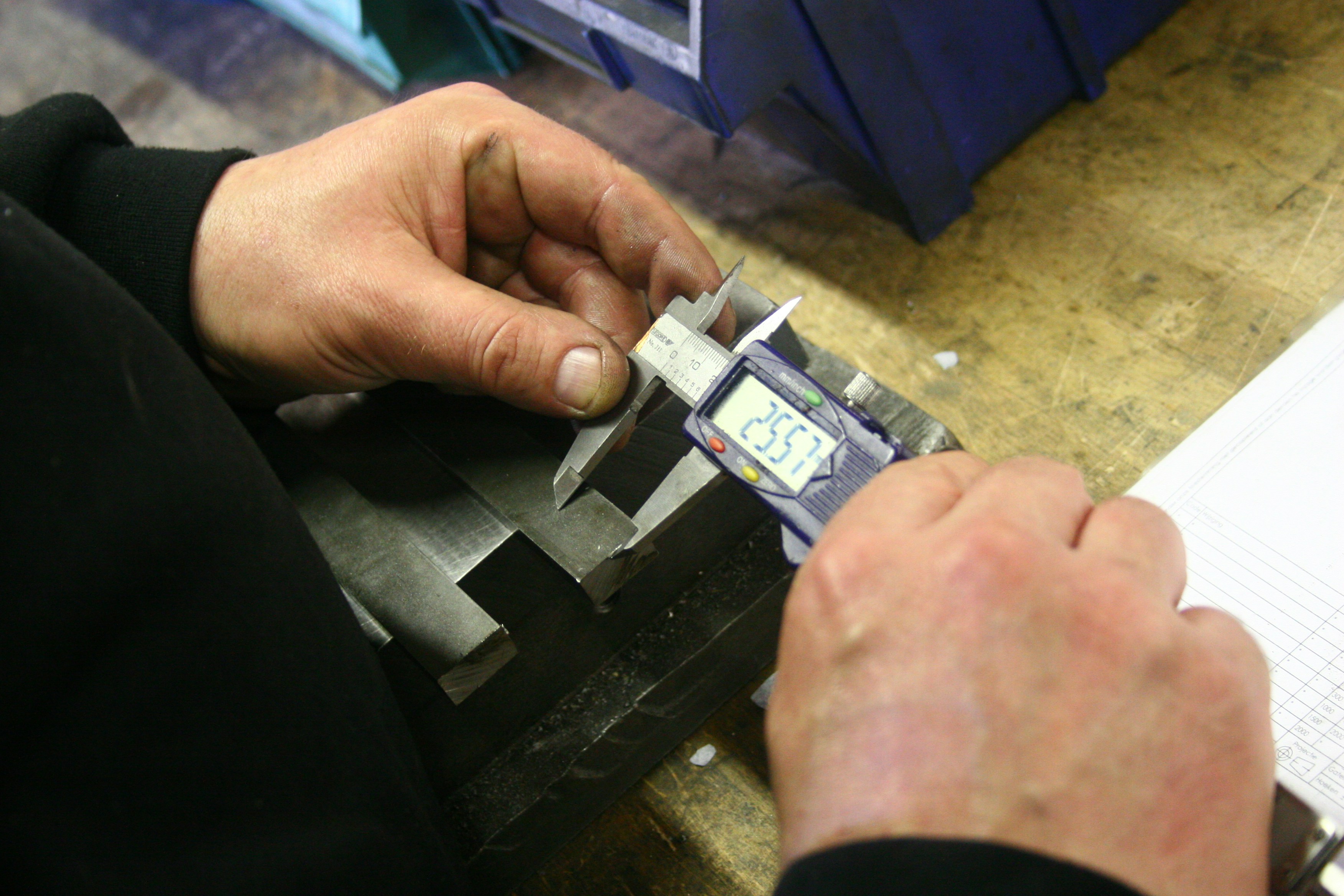
"Tolerance" in manufacturing refers to the permissible limit of variation in a physical dimension. For electronic components, these tolerances are often incredibly tight. A standard CNC machining process can typically achieve tolerances of ±0.13 mm (±0.005 inches), but for many electronic applications, the requirements are much stricter, often falling into the range of ±0.025 mm (±0.001 inches) or even tighter. For example, the housing for a smartphone must be machined with extreme precision to ensure a seamless fit for the screen, buttons, and internal circuit boards. Heat sinks need perfectly flat surfaces to make optimal contact with processors. Connectors require exact dimensions to ensure a secure and reliable electrical connection.
Achieving such tight tolerances requires more than just standard equipment. It necessitates high-precision spindles with minimal runout, advanced control systems for precise tool positioning, and even thermal management systems to counteract the material's expansion and contraction during machining. This level of precision ensures that every component fits and functions perfectly within a larger assembly, which is critical for the performance and reliability of the final product.
Repeatability and Consistency in Production
While accuracy ensures a single part meets specifications, repeatability guarantees that every part in a production run is virtually identical. This is the cornerstone of mass production and a key advantage of CNC machining. Repeatability is the machine's ability to consistently perform the same task with minimal variation across hundreds or thousands of cycles.
Reducing Human Error and Defects
Once a CNC machine is programmed and calibrated, it can execute the same set of instructions repeatedly without fatigue or variation. This automation virtually eliminates the human error inherent in manual processes, leading to a drastic reduction in defective parts. In high-volume manufacturing of electronic devices, this consistency is crucial. Imagine assembling thousands of laptops where each aluminum chassis has slightly different dimensions; the process would be slow, inefficient, and costly.
High repeatability ensures that every component from the first to the last in a batch will fit seamlessly into the final assembly. This not only streamlines the manufacturing workflow but also boosts product reliability and lowers warranty claims. For industries producing consumer electronics, where millions of units are made, the consistency afforded by CNC machining is indispensable for maintaining quality and managing costs.
Optimized Surface Quality
The finish of a machined part is not just about aesthetics; it also has significant functional implications. Surface finish refers to the texture and quality of a part's surface after machining. CNC machining allows for a high degree of control over this aspect, producing surfaces that are smooth and free of the tool marks often left by other manufacturing processes.
Minimizing Post-Processing Needs
A high-quality surface finish directly from the CNC machine can significantly reduce or even eliminate the need for secondary, post-processing steps like sanding, polishing, or deburring. This is a major advantage for aluminum parts, as a smoother surface can improve both performance and appearance. Functionally, a smooth finish is critical for parts that form a seal or require optimal thermal contact, like heat sinks. Aesthetically, it provides the premium look and feel expected in high-end consumer electronics.
Furthermore, the surface finish can be tailored for specific needs. For example, anodizing, an electrochemical process, can be applied to create a hard, corrosion-resistant, and decorative layer on the aluminum part. A well-prepared surface ensures that this coating adheres perfectly, enhancing the part's durability and visual appeal. The ability to achieve fine surface finishes directly through machining saves time and cost, making the entire production process more efficient.
Key Precision Machining Techniques for Aluminum
The versatility of CNC machining comes from the variety of specific techniques that can be employed. Each is suited to creating different types of geometries and features. For aluminum electronic components, the most common techniques are CNC milling, turning, and drilling.
CNC Milling for Complex Geometries
CNC milling is a process where a rotating multi-point cutting tool is used to remove material from a stationary workpiece. This technique is exceptionally versatile and is the primary method for creating complex, non-cylindrical shapes. For electronics, CNC milling is used to produce:
- Enclosures and Housings: The unibody chassis of laptops and smartphones, with their intricate internal pockets, screw bosses, and connector cutouts, are often milled from a single block of aluminum. This provides superior strength and a seamless look.
- Heat Sinks: The complex fin patterns on heat sinks, designed to maximize surface area for heat dissipation, are efficiently created using multi-axis CNC milling.
- RF/EMI Shields: Custom-milled aluminum boxes are used to shield sensitive electronic components from electromagnetic interference.
Modern 3-axis and 5-axis CNC mills can move the cutting tool (and/or the workpiece) along multiple axes simultaneously, enabling the creation of highly complex and organic shapes with undercuts and angled features in a single setup.
CNC Turning for Cylindrical Parts
CNC turning involves rotating the workpiece in a chuck while a cutting tool moves along its surface to create cylindrical or conical shapes. It is ideal for producing parts with rotational symmetry. In the electronics industry, CNC turning is used to manufacture:
- Connectors and Pins: The small, precise cylindrical bodies of electrical connectors and contact pins are perfectly suited for CNC turning.
- Shafts and Standoffs: Custom shafts for small motors or standoffs used for mounting circuit boards are quickly and accurately produced on a CNC lathe.
- Knobs and Dials: The control knobs and dials found on audio equipment and other devices are often turned from aluminum for a high-quality feel and finish.
CNC lathes can perform various operations, including cutting, knurling, facing, and threading, all with high precision and excellent surface finishes.
CNC Drilling for Assembly Features
CNC drilling is a process used to create holes in a workpiece. While it may seem simple, it is a critical operation for almost every electronic component, as holes are necessary for assembly, mounting, and creating passages. Automated CNC drilling ensures that holes are placed with perfect accuracy and at the correct depth. Applications include:
- Mounting Holes: Precisely located holes in enclosures and on PCBs for screws and fasteners.
- Vias in Aluminum PCBs: In aluminum-core PCBs, holes must be drilled to create electrical connections between layers. The accuracy of this drilling is critical to the board's function.
- Ventilation Holes: Patterns of holes are often drilled into enclosures to allow for airflow and cooling.
CNC drilling is far more precise and repeatable than manual drilling, ensuring that all components align perfectly during final assembly.## Selecting the Right Aluminum Alloys for Precision Machining Services for Aluminum
Not all aluminum is created equal. The term "aluminum" actually refers to a large family of alloys, each with a unique chemical composition and distinct set of properties. The choice of alloy is a critical decision that directly impacts the final component's strength, weight, corrosion resistance, machinability, and cost. For the electronics industry, where performance requirements can be incredibly diverse, selecting the appropriate alloy is fundamental to the success of a project. Using the standard four-digit naming convention, these alloys are grouped into series based on their primary alloying elements.
Understanding Aluminum Alloy Series
Each series of aluminum alloy offers a different balance of characteristics. For electronic applications, the 2xxx, 5xxx, 6xxx, and 7xxx series are the most commonly used, each serving different needs.
Series 6xxx: The All-Around Workhorse
The 6xxx series, which uses magnesium and silicon as its main alloying elements, is arguably the most popular and versatile group of aluminum alloys for CNC machining.
- Key Alloy: 6061 6061 is the undisputed workhorse of the aluminum world and a top choice for a vast range of electronic components. It offers an excellent, well-balanced combination of good strength, high corrosion resistance, weldability, and exceptional machinability. After undergoing heat treatment (most commonly to the T6 temper), its tensile strength can rival that of mild steel, making it suitable for structural parts. You'll find 6061 aluminum used in everything from laptop and server chassis to heat sinks, frames for industrial equipment, and structural components in consumer electronics. Its versatility, wide availability, and reasonable cost make it a default choice for many projects.
Series 7xxx: High Strength for Demanding Applications
When maximum strength and durability are required, the 7xxx series is the go-to choice. With zinc as its primary alloying element, this series produces the strongest of all aluminum alloys, with strength-to-weight ratios that can surpass many types of steel.
- Key Alloy: 7075 7075 is a standout in this series, often referred to as "aircraft-grade" aluminum. In its T6 temper, 7075 aluminum boasts exceptional tensile and yield strength, making it ideal for components subjected to high stress and strain. In the electronics industry, it's used for rugged enclosures for portable devices, drone frames, and military-grade communication equipment where a combination of low weight and extreme durability is critical. While it has excellent machinability, its high strength can make it more challenging to work with than 6061. Its corrosion resistance is generally good but can be lower than that of the 6xxx series, sometimes necessitating protective coatings like anodizing.
Series 2xxx: Enhanced Machinability
The 2xxx series alloys use copper as their principal alloying element. These alloys are known for their high strength and excellent machinability, though they often trade off corrosion resistance.
- Key Alloy: 2024 2024 is a high-strength alloy renowned for its excellent fatigue resistance, making it suitable for structural components that endure repeated stress cycles. Its machinability is very good, allowing it to be machined to a high-quality finish. However, its copper content makes it more susceptible to corrosion than 5xxx or 6xxx series alloys, often requiring a protective coating or cladding (a thin layer of pure aluminum) for protection. In electronics, you might find 2024 used for high-stress structural hardware or specific automotive and aerospace electronic components.
Other Specialized Alloys (e.g., 5052, 5083)
The 5xxx series, which primarily uses magnesium, is known for its exceptional corrosion resistance, particularly in saltwater or marine environments.
- Key Alloys: 5052 and 5083 5052 aluminum is a non-heat-treatable alloy celebrated for its excellent resistance to corrosion, especially in saltwater environments. It also offers good workability and high fatigue strength. This makes it an ideal choice for electronic enclosures, marine-grade hardware, and any device intended for outdoor use where exposure to moisture is a concern. While its strength is lower than heat-treated alloys like 6061 or 7075, it is one of the strongest non-heat-treatable grades available. 5083 is similar but offers slightly higher strength, also making it a popular choice for marine and rugged applications.
Comparison of Common Aluminum Alloys
| Alloy Series | Key Alloy | Main Alloying Elements | Primary Strengths | Common Electronic Applications |
|---|---|---|---|---|
| 6xxx Series | 6061-T6 | Magnesium, Silicon | Versatility, good strength, excellent machinability, good corrosion resistance. | Housings, enclosures, heat sinks, structural frames, general-purpose components. |
| 7xxx Series | 7075-T6 | Zinc, Magnesium, Copper | Very high strength-to-weight ratio, high hardness. | Rugged device casings, drone parts, high-stress structural components. |
| 2xxx Series | 2024-T3 | Copper | High strength, excellent fatigue resistance, good machinability. | Aerospace electronic fittings, high-fatigue structural parts. |
| 5xxx Series | 5052-H32 | Magnesium | Excellent corrosion resistance (especially saltwater), good formability. | Marine electronics, outdoor enclosures, chassis exposed to harsh elements. |
Factors in Choosing an Alloy for Precision Machining Services for Aluminum
The selection process is a balancing act, weighing the technical requirements of the application against practical manufacturing considerations. Rushing this decision can lead to parts that fail in the field or are unnecessarily expensive to produce.
Balancing Strength, Machinability, and Corrosion Resistance
The ideal alloy is one that meets the functional demands of the part without introducing unnecessary manufacturing challenges. The key is to find the right trade-offs:
- Strength vs. Machinability: High-strength alloys like 7075 are more difficult and slower to machine than a more moderate-strength alloy like 6061. If the application doesn't require extreme strength, choosing the more machinable option can lead to significant cost and time savings.
- Corrosion Resistance vs. Strength: Alloys with the highest strength often have lower corrosion resistance. For a device used in a controlled indoor environment, the superior strength of a 7xxx or 2xxx series alloy might be the priority. However, for an outdoor sensor housing, the exceptional corrosion resistance of a 5xxx series alloy would be far more critical, even if it means sacrificing some strength.
- Functionality: The alloy choice must support the part's primary function. For a heat sink, thermal conductivity is paramount. For an EMI shield, electrical conductivity is key. Each alloy offers a different profile for these properties.
Considering Cost and Lead Time
Practical factors like cost and availability are just as important as technical properties.
- Cost: Common alloys like 6061 are produced in massive quantities and are therefore widely available and relatively inexpensive. More specialized, high-performance alloys like 7075 or purer grades like 1100 can be significantly more costly. It's important to ask whether the added performance justifies the higher price tag.
- Lead Time: The availability of raw material can also affect project timelines. Common alloys are typically in stock and ready for machining. Sourcing specialized alloys may involve longer lead times, which must be factored into the overall production schedule. In the rapid prototyping phase, opting for a readily available and cost-effective alloy like 6061 is often the most practical choice to validate a design quickly.
Ultimately, the best approach is to collaborate closely with your manufacturing partner. Their expertise can help you navigate these trade-offs and select the perfect aluminum alloy that meets your performance goals, budget, and timeline.## Impact of Precision Machining Services for Aluminum Across Electronic Industries
The combination of aluminum's superior properties and the precision of CNC machining has a profound and wide-reaching impact across nearly every segment of the electronics industry. From the devices in our pockets to the satellites orbiting our planet, precision-machined aluminum components are essential for enabling innovation, enhancing performance, and ensuring reliability. This powerful manufacturing synergy allows designers and engineers to create parts that are lighter, stronger, and more complex than ever before, pushing the boundaries of what is technologically possible.
Consumer Electronics: From Smartphones to Laptops
Nowhere is the impact of precision aluminum machining more visible than in consumer electronics. This is an industry driven by aesthetics, portability, and durability, all of which are hallmarks of CNC-machined aluminum.
Sleek Designs and Durable Enclosures
The modern premium smartphone or laptop is often characterized by its sleek, unibody aluminum chassis. This design philosophy, popularized by brands like Apple, involves machining the entire enclosure from a single solid block of aluminum. This method provides exceptional structural rigidity and a seamless, high-end feel that is impossible to achieve with plastics or assembled metal parts. The precision of CNC machining allows for incredibly thin walls and intricate internal features to house all the components in a compact form factor. This makes the final product not only visually appealing but also incredibly durable, capable of withstanding the rigors of daily use.
Heat Sinks and Internal Components
Inside these devices, heat management is a critical challenge. As processors become more powerful, they generate more heat in a smaller space. Precision machined aluminum heat sinks are vital for dissipating this thermal energy effectively. Using CNC machining, heat sinks can be created with complex fin geometries designed to maximize surface area and airflow, even within the cramped confines of a laptop or gaming console. Materials like Aluminum 6061-T6 are popular for these components because they offer an excellent balance of thermal conductivity and machinability. This ensures devices can run at peak performance without overheating, which is crucial for both functionality and longevity.
Aerospace and Telecommunications: High-Performance Requirements
In sectors like aerospace and telecommunications, the stakes are significantly higher. Components must perform flawlessly under extreme conditions, where failure is not an option. Here, the reliability and lightweight strength of machined aluminum are indispensable.
Avionics Housings and Satellite Components
In aerospace, every gram of weight is critical as it directly impacts fuel efficiency and payload capacity. Precision-machined aluminum parts are integral to avionics and control systems. Housings for these sensitive electronics are often machined from high-strength aluminum alloys like 6061-T6 or 7075-T6. These enclosures must be both lightweight and robust enough to protect delicate circuitry from intense vibrations, extreme temperature fluctuations, and the harsh environment of space. For satellite components, precision machining is used to create everything from structural frames and antenna reflectors to protective housings, all of which must meet incredibly tight tolerances to ensure they function reliably for years in orbit.
Protection Against Environmental Factors and EMI
Both aerospace and telecommunications equipment are often exposed to harsh environmental conditions and significant electromagnetic interference (EMI). Aluminum enclosures naturally provide an excellent barrier against EMI and radio frequency interference (RFI). This property, known as EMI shielding, is crucial for preventing external signals from disrupting sensitive circuits and stopping the device from interfering with other systems. The sealed, continuous conductive surface of a properly designed aluminum enclosure acts as a Faraday cage, blocking electromagnetic radiation. To enhance this protection and guard against moisture and corrosion, these enclosures are often treated with surface finishes like anodizing or chemical conversion coatings.
Specialized Electronic Applications: PCBs and Beyond
The influence of precision-machined aluminum extends beyond just housings and supporting structures. It is also enabling innovations in specialized electronic components themselves.
Aluminum PCBs for Thermal Management
For high-power electronics such as LED lighting systems, power supplies, and automotive controllers, managing heat is the primary design challenge. Aluminum-based Printed Circuit Boards (PCBs), also known as Metal Core PCBs (MCPCBs), have become a go-to solution. These boards feature a base layer of aluminum, a thermally conductive dielectric layer, and a copper circuit layer. The aluminum core acts as a highly efficient heat sink, drawing thermal energy away from heat-generating components like high-brightness LEDs or power transistors far more effectively than traditional FR-4 boards. This superior thermal management improves the reliability, performance, and lifespan of power-intensive electronics.
Custom Connectors and Enclosures
The need for custom solutions is prevalent in fields like medical devices, industrial automation, and scientific instrumentation. Stock components often do not meet the specific form factor or functional requirements of these unique applications. Precision Machining Services for Aluminum allow for the creation of fully custom connectors, panels, and enclosures tailored to exact specifications. Whether it's a uniquely shaped connector for a surgical instrument or a rugged, waterproof enclosure for an industrial sensor, CNC machining provides the flexibility to produce parts with complex geometries and tight tolerances (down to ±0.01 mm in some cases) that are a perfect fit for the application.
Conclusion
The synergy between aluminum and advanced Precision Machining Services for Aluminum is undeniably a cornerstone of the modern electronics industry. From enhancing the performance and durability of our everyday gadgets to enabling the innovative designs of tomorrow, this powerful combination continues to push the boundaries of what's possible in our technology-driven world.
As we've explored, the meticulous process of CNC machining, coupled with the inherent advantages of various aluminum alloys, allows for the creation of intricate, high-quality electronic components that we rely on daily. It is a true testament to the power of precision engineering and material science, demonstrating how the right material, when expertly crafted, can define the quality, reliability, and success of a product. Whether it's through providing lightweight strength for portable devices, superior thermal management for high-power systems, or rugged protection for mission-critical hardware, machined aluminum proves its value time and time again.
For businesses seeking to innovate and excel in electronics manufacturing, partnering with experts in precision aluminum machining is crucial. If you are looking to bring your designs to life with components built to last and perform optimally, feel free to contact somicustomparts to discuss your needs. Companies like SOMI Custom Parts are dedicated to providing the high-precision aluminum machining solutions required to meet the evolving demands of this dynamic industry, ensuring that your electronic products are engineered for excellence. We encourage you to share this article and join the conversation on the future of electronics manufacturing.