The Essential Guide to Selecting a CNC Turning Parts Manufacturer
- Share
- Issue Time
- May 29,2026
Summary
This guide shares key criteria to select reliable CNC turning parts manufacturers, covering equipment capability, ISO certification, quality control, production scalability, DFM service and cost-performance evaluation tips.
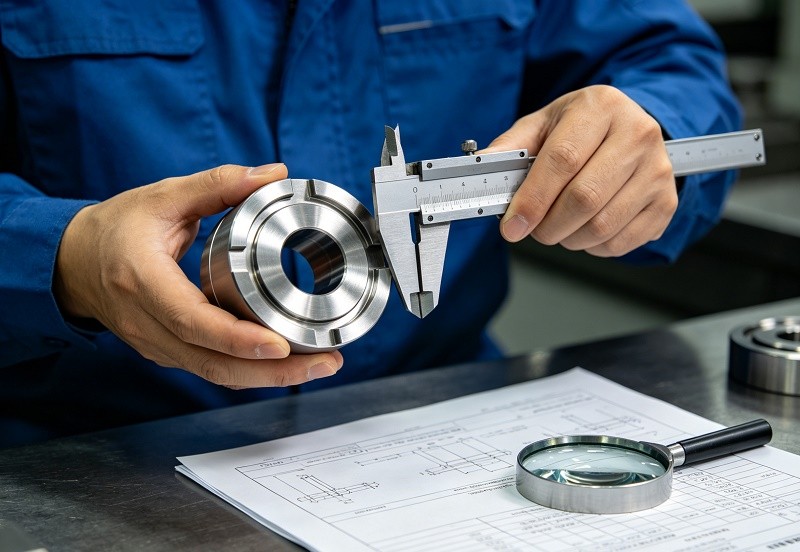
Choosing the right CNC turning parts manufacturer is a critical decision that profoundly impacts your product's quality, cost, and time-to-market. This guide will empower you to make an informed choice, detailing the essential considerations for selecting a manufacturing partner that truly understands precision and reliability.
Understanding Why Your Choice of CNC Turning Parts Manufacturer is Paramount
The decision to partner with a specific manufacturer is not merely a line item in a budget; it's a strategic choice that echoes through every stage of your product's lifecycle. From the integrity of the final assembly to the reputation of your brand, the capabilities of your chosen supplier are foundational. A superior manufacturer provides more than just parts; they deliver confidence, stability, and a competitive edge.
The Critical Impact on Product Quality and Performance
The quality of your components is inextricably linked to the performance of your final product. In CNC turning, precision is everything. It is the ability to produce parts with exacting accuracy and consistency, which is fundamental to ensuring they meet specifications and function correctly. Even minute deviations from specified dimensions or tolerances can lead to a cascade of negative consequences, including product failures, safety hazards, and costly recalls.
A manufacturer's commitment to quality directly influences the durability, reliability, and functionality of the parts they produce. For instance, a component intended for a high-stress aerospace assembly must be manufactured to precise dimensions to ensure it fits perfectly and performs its function without fail. A part that is slightly too large or small could compromise the entire assembly. This is why the precision of CNC machining is essential—it minimizes these risks and guarantees the final product achieves the highest possible standard of quality and performance.
The consequences of poor quality can be severe. Imagine receiving an order where 30% of the parts are defective—diameters are out of tolerance, surfaces are rough, and threads are unusable. This scenario leads to frantic searches for alternative suppliers, production lines grinding to a halt, and project delays that can cost tens of thousands of dollars and damage your company's reputation.
The Value of Proven Experience and Deep Expertise
In the world of CNC machining, there is no substitute for experience. While modern machines are highly automated, the expertise of the machinists and engineers behind them is what separates exceptional results from mediocre ones. Operator skill and experience are crucial for achieving high precision; a knowledgeable operator understands the machine's capabilities, programming nuances, cutting tools, and how to troubleshoot issues that arise during the machining process.
An experienced CNC Turning Parts Manufacturer{target="_blank"} brings a wealth of benefits:
- Problem-Solving: Veteran machinists possess the critical thinking and hands-on knowledge to make real-time adjustments, overcoming challenges to ensure parts precisely match specifications.
- Process Optimization: Experience fosters a deep understanding of how to combine industrial expertise with engineering principles for faster, more efficient, and higher-quality production. They can optimize tool selection, cutting parameters, and clamping solutions to reduce cycle times and improve outcomes.
- Handling Complexity: Seasoned experts are adept at interpreting complex engineering drawings and understanding the precise tolerances required for the final product. They can confidently handle intricate geometries that might stump less experienced shops.
The combination of skilled operators and robust engineering knowledge is what truly drives success in CNC machining. It is this blend of practical wisdom and technical acumen that upholds the highest standards of quality and performance, making the team's expertise an indispensable asset.
Mitigating Risks: Avoiding Costly Delays and Rework
Choosing the wrong manufacturing partner can expose your project to significant risks, often leading to a cascade of problems that extend far beyond a single bad order. These risks are not just financial; they can impact your production schedule, your team's morale, and your relationship with your own customers.
A subpar supplier often leads to:
- Production Delays: Unplanned downtime, inefficient processes, and quality failures can cause delays that ripple through your entire supply chain, potentially causing you to miss critical market windows. In fact, a 2022 industry report stated that manufacturing firms can lose up to 12% of their annual revenue due to production delays.
- Expensive Rework: When parts are delivered out of tolerance or with defects, they require either rework or scrapping, both of which incur additional costs and waste valuable time. This not only inflates the budget but can also halt an entire assembly line.
- Increased Operational Costs: Delays lead to a host of other expenses, including idle labor, increased storage costs for backed-up inventory, and the need for expedited shipping to try and meet deadlines.
A reliable partner with exceptional quality assurance practices helps mitigate these risks from the outset. By getting the job done right the first time, they eliminate the time and money wasted on fixing errors. Proactive measures, such as preventive maintenance on machinery and careful production scheduling, also play a vital role in minimizing downtime and ensuring on-time delivery. Ultimately, selecting a manufacturer based solely on the lowest bid without thorough due diligence is a common mistake that often leads to these very issues. Balancing cost with a proven track record, technical capability, and service quality is essential for long-term success.
Essential Criteria for Selecting a Top-Tier CNC Turning Parts Manufacturer
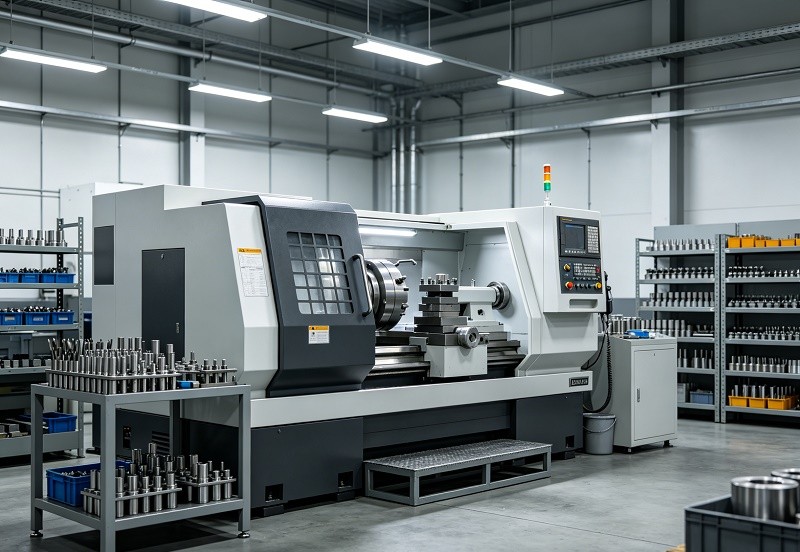
Selecting a top-tier CNC turning parts manufacturer requires a methodical evaluation of their capabilities, systems, and overall approach. Going beyond the price quote to scrutinize the core competencies of a potential partner is the only way to ensure a successful, long-term relationship. This involves a deep dive into their technology, quality processes, material expertise, and operational structure.
Assessing Advanced Machinery and Technical Capabilities
A manufacturer's equipment is a direct reflection of their commitment to quality and efficiency. Outdated machinery can limit precision, speed, and the ability to handle complex designs. When evaluating a potential partner, it is crucial to assess their fleet of CNC machines and their overall technical prowess.
Look for a manufacturer that invests in modern, advanced equipment. Key technologies to consider include:
- Multi-Axis CNC Machining: While standard 2-axis lathes are common, manufacturers with 5-axis or multi-axis turn/mill centers can produce highly complex geometries in a single setup. This reduces the need for multiple operations, minimizes the chance of error from re-fixturing, and significantly shortens lead times.
- Swiss-Type Lathes: Ideal for small, complex, and long parts, Swiss-type machines provide exceptional support to the workpiece, resulting in superior precision and surface finish.
- Live Tooling: CNC turning centers equipped with live tooling can perform secondary operations like drilling, milling, and tapping without removing the part from the machine. This "done-in-one" capability boosts efficiency and ensures higher accuracy.
- Automation: The use of automation, such as robotic arms for loading and unloading parts, indicates a forward-thinking manufacturer focused on consistency, round-the-clock production, and cost control.
A factory tour, whether virtual or in-person, is an excellent way to see their equipment firsthand and gauge their level of technological sophistication.
Upholding Rigorous Quality Control and Industry Certifications
A manufacturer's promise of quality is meaningless without a robust system to verify it. Rigorous quality control (QC) is not an option; it's a fundamental requirement. This begins with internationally recognized certifications, which serve as a third-party endorsement of a company's quality management systems.
Key certifications to look for include:
- ISO 9001: This is the global standard for a quality management system (QMS). It demonstrates that a manufacturer has established and follows processes to consistently meet customer and regulatory requirements.
- AS9100: For aerospace components, this certification is non-negotiable. It includes all the requirements of ISO 9001 plus additional, more stringent quality and safety standards specific to the aerospace industry.
- IATF 16949: This is the standard for the automotive industry, focusing on defect prevention and the reduction of variation and waste in the supply chain.
- ISO 13485: This is essential for manufacturers producing parts for medical devices, as it outlines the QMS requirements for this highly regulated field.
Beyond certifications, inquire about their specific QC processes. A top-tier supplier should be able to provide:
- First-Article Inspection (FAI) Reports: Verification that the first part produced meets all specifications before commencing a full production run.
- In-Process Checks and CMM Reports: Use of Coordinate Measuring Machines (CMMs) and other metrology tools to check parts at various stages of production to ensure tolerances are being maintained.
- Material Traceability: A documented system for tracking raw materials from their source to the final part, ensuring authenticity and compliance.
A refusal or inability to provide clear documentation of their certifications and quality processes is a major red flag.
Material Versatility and Comprehensive Engineering Support
The ability to work with a wide range of materials is a hallmark of a capable CNC turning manufacturer. Your needs may evolve, and partnering with a supplier who can handle everything from common metals to exotic alloys provides valuable flexibility. A good manufacturer should have demonstrable experience with:
- Metals: Aluminum, Stainless Steel, Carbon Steel, Brass, Copper, Titanium
- Plastics: Delrin, PEEK, Nylon, Acetal, Polycarbonate
- Alloys and Exotics: Inconel, Monel, Hastelloy, and other superalloys for demanding applications.
Equally important is the engineering support they offer. The most valuable partners act as an extension of your own team. Look for a manufacturer that provides Design for Manufacturability (DFM) feedback. This collaborative process involves their engineers reviewing your design to identify potential improvements that can:
- Reduce machining time and complexity.
- Lower costs by avoiding unnecessarily tight tolerances.
- Improve the part's strength or functionality.
- Suggest more cost-effective material alternatives without sacrificing performance.
A supplier who just blindly accepts a drawing without asking questions or offering suggestions may lack the deep expertise needed for a true partnership.
The Strategic Advantage of In-House Manufacturing
Understanding a manufacturer's operational model is crucial. Many suppliers outsource some or all of their production to a network of other shops. While this model can work, a manufacturer with extensive in-house capabilities offers significant strategic advantages.
A vertically integrated or "one-stop-shop" manufacturer that performs most operations under one roof provides:
- Greater Control Over Quality: With direct oversight of every step, from material sourcing to final inspection, there are fewer opportunities for quality to slip through the cracks.
- Streamlined Communication: You have a single point of contact, eliminating the confusion and delays that can occur when dealing with multiple subcontractors.
- Shorter and More Reliable Lead Times: An in-house manufacturer has better control over their production schedule, reducing the risk of delays caused by third-party suppliers.
- Clear Accountability: When an issue does arise, there is no finger-pointing. The manufacturer takes full responsibility and can resolve the problem more quickly.
- Intellectual Property (IP) Protection: Keeping your designs and processes within a single, trusted facility significantly reduces the risk of your IP being compromised.
While some level of outsourcing for specialized secondary processes (like heat treating or plating) is common, a partner with strong core manufacturing processes in-house is almost always a more reliable and secure choice.
Operational Excellence and Precision Achieved by a Leading CNC Turning Parts Manufacturer
Operational excellence is where a manufacturer's claims are put to the test. It's the tangible demonstration of their ability to translate sophisticated machinery and documented processes into a reliable output of high-quality parts. This excellence is not accidental; it is the result of a deliberate focus on production scalability, unwavering precision, and the strategic adoption of technology.
Mastering High-Volume Production and Scalability
The ability to seamlessly transition from a small prototype run to high-volume production is a critical differentiator for a leading manufacturer. This scalability is essential for clients whose products succeed and require a rapid ramp-up in production. A manufacturer adept at this demonstrates mastery over several key areas:
- Capacity Planning: They have the machinery, floor space, and personnel to accommodate large orders without compromising lead times for existing clients. They can intelligently schedule jobs to maximize machine utilization.
- Process Automation: For high-volume runs, automation is key to maintaining quality and controlling costs. This can include automated part loading/unloading systems, in-process quality checks, and optimized tool management to minimize downtime. This level of automation can allow for "lights-out" manufacturing, where machines run 24/7 with minimal human intervention.
- Supply Chain Robustness: A top-tier manufacturer has a well-vetted and reliable supply chain for raw materials. They can secure large quantities of certified materials and have contingency plans in place to avoid disruptions that could halt production.
- Consistency: One of the primary benefits of CNC machining is its ability to produce thousands of identical parts with the same high level of accuracy. A leading manufacturer has the systems in place to ensure that the 10,000th part is an exact replica of the first. This repeatability is non-negotiable in sectors where interchangeability and reliability are paramount.
True scalability means a manufacturer can grow with you, providing a stable and predictable production partner as your business expands.
Delivering Unwavering Precision Through Strict Tolerances
Precision is the currency of CNC machining. The ability to hold tight tolerances is a direct measure of a manufacturer's skill and the quality of their equipment. Tolerances refer to the permissible limit of variation in a physical dimension, and in industries like aerospace, medical, and optics, these can be incredibly small.
A leading manufacturer delivers unwavering precision by focusing on several critical factors:
- High-Quality Machinery: Precision starts with the machine. Rigid, well-maintained, and thermally stable CNC machines are essential for minimizing vibration and other factors that can affect accuracy.
- Skilled Machinists and Programmers: Achieving tolerances measured in the ten-thousandths of an inch (±0.0001") requires deep expertise. Programmers must create highly optimized toolpaths, and machinists must masterfully set up the machine, monitor the process, and make micro-adjustments as needed.
- Controlled Environment: Temperature fluctuations can cause materials and machine components to expand or contract, impacting dimensional accuracy. Top-tier shops often operate in climate-controlled environments to ensure stability.
- Advanced Metrology: You cannot make what you cannot measure. A commitment to precision is backed by investment in advanced inspection equipment, like high-resolution CMMs and optical comparators, to verify that parts meet the tightest specifications.
Communicating about tolerances is key. A great partner won't just blindly accept an overly tight tolerance; they will question it to ensure it's functionally necessary, as each level of precision can add significant cost. Their goal is to deliver the required precision cost-effectively.
Leveraging Automation and Cutting-Edge Techniques
To stay competitive and deliver maximum value, leading manufacturers embrace automation and cutting-edge machining techniques. These technologies not only improve efficiency but also enhance quality and consistency.
Key technological advancements you should look for include:
- Robotic Integration: The use of industrial robots for tasks like machine tending (loading and unloading parts), deburring, and inspection is a sign of a highly advanced operation. Robotic automation increases throughput, improves worker safety, and ensures a consistent, repeatable process.
- In-Process Gauging: Some advanced systems integrate measurement probes into the CNC machine. These tools can automatically measure features of a part mid-cycle, allowing the machine to self-correct for tool wear or other variations, ensuring every part remains in tolerance.
- High-Speed Machining (HSM): This technique uses very high spindle speeds and specially designed toolpaths to remove material much faster than conventional methods. When applied correctly, HSM can reduce cycle times dramatically without sacrificing precision or surface finish.
- CAM Software Optimization: Efficient production starts with smart programming. A top manufacturer uses the latest Computer-Aided Manufacturing (CAM) software to generate highly efficient toolpaths that minimize cycle time, reduce tool wear, and improve surface finish.
By leveraging these advanced techniques, a manufacturer can produce higher quality parts faster and more cost-effectively, passing those benefits directly on to their customers.
Building a Successful Partnership with Your CNC Turning Parts Manufacturer
The relationship with your CNC turning parts manufacturer should be more than a simple transaction; it should be a strategic partnership built on trust, communication, and mutual success. The best suppliers a_ct as an extension of your own team, contributing their expertise to enhance your product and streamline your operations. Fostering this kind of collaborative relationship requires focusing on clear communication, leveraging comprehensive services, and understanding the true meaning of value.
The Importance of Clear Communication and Responsive Service
In any manufacturing project, communication is the lubricant that keeps everything moving smoothly. Breakdowns in communication can lead to misunderstandings, errors, and significant delays. A successful partnership is characterized by open, transparent, and responsive dialogue.
Key aspects of strong communication include:
- A Dedicated Point of Contact: You should have a dedicated project manager or account representative who understands your project and can provide timely updates and answer your questions. This avoids the frustration of being passed around to different departments.
- Proactive Updates: A good partner doesn't wait for you to ask for an update. They proactively communicate project status, including milestones achieved and any potential challenges they foresee.
- Responsiveness: When you have a question or an urgent issue, you need a partner who responds quickly. This demonstrates that they value your business and are committed to your project's success.
- Honesty and Transparency: No project is perfect. A trustworthy partner will be honest about any issues that arise and will work collaboratively with you to find a solution, rather than hiding the problem. In fact, suppliers who are willing to say "no" or question a drawing are often the most reliable, as it shows they have thoroughly reviewed the requirements.
Good customer service and strong communication are essential for navigating the complexities of manufacturing and building a relationship that can weather challenges and thrive long-term.
Comprehensive Service Offerings and Customization Capabilities
A truly valuable manufacturing partner offers more than just machining. Leading manufacturers provide a suite of value-added services that can simplify your supply chain, reduce administrative overhead, and ensure your components are ready for final assembly. This "one-stop-shop" approach is a significant strategic advantage.
Look for a manufacturer with deep customization capabilities and a broad range of secondary service offerings, such as:
- Finishing and Plating: Services like anodizing, passivation, powder coating, and electroless nickel plating to provide corrosion resistance and a desired aesthetic.
- Heat Treating: Processes like annealing, hardening, and tempering to alter the mechanical properties of the metal.
- Assembly: The ability to assemble machined components into more complex sub-assemblies, saving you time and labor.
- Welding and Fabrication: TIG, MIG, or laser welding services to join components.
- Laser Etching and Part Marking: For serialization, branding, or part identification.
- Custom Packaging and Kitting: Preparing parts in specific kits or packaging to streamline your assembly line.
By consolidating these services with a single, trusted supplier, you reduce the number of vendors you need to manage, minimize shipping costs and lead times between different facilities, and ensure a single point of accountability for the final, finished part.
Understanding the Balance of Cost-Effectiveness and Long-Term Value
It can be tempting to choose a manufacturer based solely on the lowest price quote, but this is often a short-sighted and costly mistake. The cheapest quote frequently comes at the expense of quality, reliability, or service. A more strategic approach is to evaluate partners based on the total cost of ownership (TCO) and the long-term value they provide.
The upfront price of a part is only one component of its true cost. A low-quality part can lead to:
- Increased inspection costs on your end.
- Higher rates of scrap and rework.
- Production line downtime due to part failures.
- Damage to your brand's reputation if a faulty component reaches the end customer.
A reliable, high-quality manufacturer delivers long-term value that far outweighs a slightly higher piece price. This value is realized through:
- Reduced Risk: Fewer defects and on-time deliveries mean a more predictable and stable supply chain.
- Improved Efficiency: High-quality parts that fit and function perfectly the first time save your team time and frustration.
- Durability and Performance: Well-made components contribute to a more robust and reliable end product, leading to higher customer satisfaction.
- Collaborative Improvement: A true partner will work with you over time to identify opportunities for cost reduction through design improvements and process optimization.
Choosing a manufacturing partner is an investment. By prioritizing reliability, quality, and comprehensive service, you are investing in the long-term health and success of your product and your business.
Conclusion
Selecting the optimal CNC turning parts manufacturer is a strategic investment that profoundly influences your product's quality, efficiency, and market success. As this guide has detailed, the choice extends far beyond a simple price comparison. It is an evaluation of a potential partner's fundamental capabilities and commitment to excellence.
By carefully evaluating expertise, technology, quality controls, and service offerings, we can forge strong partnerships that lead to reliable, high-precision components and a competitive edge. By prioritizing factors like proven experience, advanced machinery, robust quality certifications like ISO 9001, and a collaborative communication style, you empower your organization to move beyond a transactional supplier relationship. The goal is to build a true partnership that drives innovation, mitigates risks like delays and rework, and delivers superior value over the long term. When you invest in the right partner, you are investing in the very foundation of your product's success.
We encourage you to use the criteria outlined in this guide to assess your current and potential manufacturing partners. Share this guide with your engineering and procurement teams to foster a deeper, more strategic approach to supplier selection.