Optimizing Your Supply Chain: Partnering with the Right CNC Turned Parts Supplier
- Share
- Issue Time
- Jul 1,2026
Summary
Strategic guide to selecting a CNC turned parts supplier. Optimize your supply chain with tips on quality control, DFM, and building long-term partnerships.
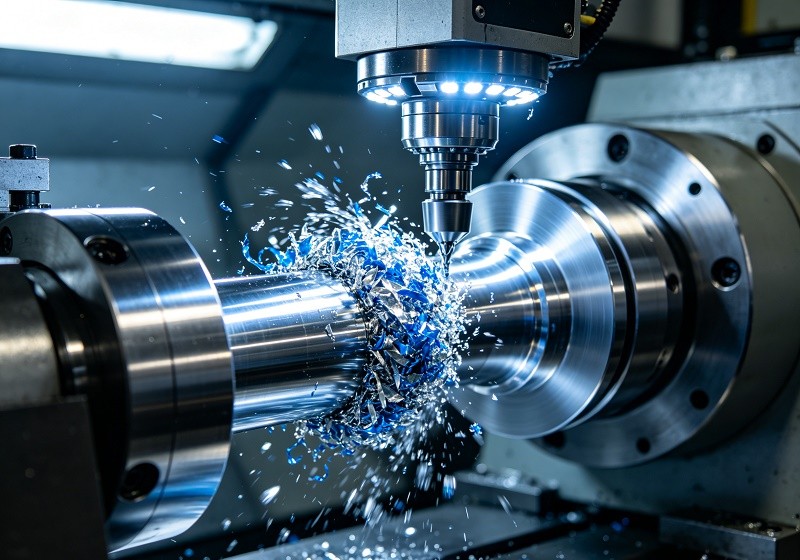
In today's fast-paced manufacturing world, sourcing the right components can make or break your product line. Choosing a CNC turned parts supplier is a significant decision, impacting everything from your production schedule and inventory to your final product quality and customer satisfaction. This guide will walk you through the essential considerations for partnering with a CNC turned parts supplier to optimize your supply chain and build a resilient, competitive advantage.
Choosing Your Ideal CNC Turned Parts Supplier: The Foundation of Supply Chain Success
Selecting the right supplier is not merely a procurement task; it's a strategic decision that forms the bedrock of your operational efficiency and market reputation. A partnership with a proficient and reliable supplier resonates through every stage of your production, from initial design to final delivery. In contrast, a poor choice can introduce risks, delays, and quality issues that disrupt the entire supply chain.
How a Reliable CNC Turned Parts Supplier Enhances Productivity and Product Quality
A strategic partnership with a reliable CNC turned parts supplier is a powerful catalyst for enhancing both productivity and product quality. This collaboration goes beyond a simple transactional relationship, becoming an integrated extension of your own operations. When your supplier consistently delivers high-quality, dimensionally accurate parts, your assembly lines run smoother with fewer interruptions for rework or part inspection. This reliability directly boosts manufacturing efficiency by minimizing downtime and ensuring that production schedules are met.
High-quality components are the building blocks of a high-quality final product. When every turned part meets exact specifications, the performance, durability, and safety of the end product are significantly improved. This commitment to quality prevents defects that could lead to product failures, costly recalls, and damage to your brand's reputation. Furthermore, a supplier that acts as a true partner will often provide valuable feedback on design for manufacturability (DFM), suggesting improvements that can enhance part performance and reduce production costs, leading to a cycle of continuous improvement. Treating suppliers as partners in innovation allows you to leverage their unique expertise to improve product design and accelerate development.
This collaborative approach fosters trust and transparency, allowing for real-time information sharing and better visibility across the supply chain. Motivated partners are more willing to expedite shipments to prevent delays and work with you on contingency planning, which is crucial for navigating volatility in the modern supply chain. Ultimately, investing in a strong supplier relationship translates into a more resilient supply chain, higher quality products, and a sustainable competitive advantage.### Avoiding Costly Delays and Inconsistencies with the Right CNC Turned Parts Supplier
Partnering with an unreliable or inconsistent supplier is a direct route to operational chaos and financial strain. When a supplier fails to deliver on time, the consequences ripple through the entire organization, causing production lines to halt and creating a cascade of scheduling conflicts. A single missing component can hold up an entire build, leading to expensive downtime and forcing planners to constantly reshuffle production schedules. These delays inevitably lead to missed customer deadlines, which can result in financial penalties, strained relationships, and a loss of customer confidence that is difficult to regain. In some cases, frequent delays can cause you to lose market share to more agile competitors.
Inconsistency in part quality is just as damaging as a delay. Receiving a batch of components that don't meet specifications introduces significant "hidden costs" known as the Cost of Poor Quality (COPQ). These costs include expenses related to rework and scrap, increased inspection requirements, and warranty claims. When defective parts are found, production must stop while the issue is addressed, consuming valuable time and resources. If these defects are not caught and make it into the final product, the costs can escalate to include product recalls, reputational damage, and lost sales. According to the American Society for Quality, these quality-related costs can amount to 15-20% of sales revenue for many companies. Choosing a supplier based on the lowest upfront price can be a false economy when these backend costs are factored in.
| Risk of a Poor Supplier Choice | Direct Impact | Financial & Reputational Consequence |
|---|---|---|
| Delivery Delays | Production line stoppages, missed schedules. | Overtime costs, expedited shipping fees, missed revenue. |
| Inconsistent Part Quality | Increased inspection, rework, and scrap. | Higher operational costs, warranty claims, product recalls. |
| Poor Communication | Ambiguity in requirements, slow problem resolution. | Production errors, damaged supplier relationships. |
| Lack of Scalability | Inability to meet fluctuations in demand. | Lost sales opportunities during peak demand. |
| Geographic Risk | Vulnerability to regional disruptions (natural disasters, politics). | Complete supply chain halt if relying on a single region. |
Ultimately, avoiding these pitfalls requires a shift in perspective: view your supplier not as a mere vendor, but as a strategic partner. A reliable partner understands that their performance is directly tied to your success and will work proactively to ensure consistency, quality, and on-time delivery.
Precision from Your CNC Turned Parts Supplier is Non-Negotiable for Critical Components
For manufacturers in industries like aerospace, medical devices, automotive, and defense, precision is not just a desirable attribute—it is an absolute necessity. In these sectors, components often perform critical functions where failure is not an option. A slight deviation from the specified tolerance can have catastrophic consequences, leading to equipment malfunction, safety hazards, and significant liability. Therefore, the precision delivered by your CNC turned parts supplier is non-negotiable.
CNC (Computer Numerical Control) machining is renowned for its ability to produce parts with incredible accuracy and repeatability, often within thousandths of an inch. This level of precision ensures that every component functions exactly as intended, which is vital for the performance and reliability of complex assemblies. For example, in an aircraft engine or a surgical instrument, the tight fit and seamless interaction of numerous small parts are essential for safe and effective operation. A supplier with a proven track record in high-precision manufacturing provides the assurance that these critical standards will be met on every single part, from the first to the last in a production run.
Furthermore, a top-tier supplier demonstrates their commitment to precision through investment in advanced machinery, sophisticated metrology and inspection equipment, and a robust quality management system. They understand that precision extends beyond just the final dimensions of the part; it encompasses the entire manufacturing process, from material selection and handling to the final inspection and documentation. This holistic approach to precision ensures that critical components are not only dimensionally accurate but also free from material defects, surface imperfections, and other issues that could compromise their integrity. Partnering with a supplier who makes precision a cornerstone of their operations is fundamental to mitigating risk and ensuring the success of products where quality and reliability are paramount.## Key Attributes Defining a Top-Tier CNC Turned Parts Supplier Partner
Identifying a premier supplier involves looking beyond surface-level promises and evaluating a specific set of attributes that separate the best from the rest. These qualities are indicators of a supplier's commitment to excellence, reliability, and forming a true partnership. A top-tier supplier doesn’t just manufacture parts; they provide a comprehensive service that strengthens your entire production ecosystem.
Unmatched Manufacturing Capabilities and Proactive Engineering Support
A leading CNC turned parts supplier distinguishes itself through superior manufacturing capabilities and a proactive approach to engineering. At the core of their capabilities is an investment in modern, high-performance machinery. This often includes multi-axis CNC lathes and Swiss-style turning centers that can produce complex geometries with exceptional precision and efficiency in a single setup. Evaluating a potential supplier's equipment list is crucial to confirm they have the right technology for your specific part complexity and material requirements.
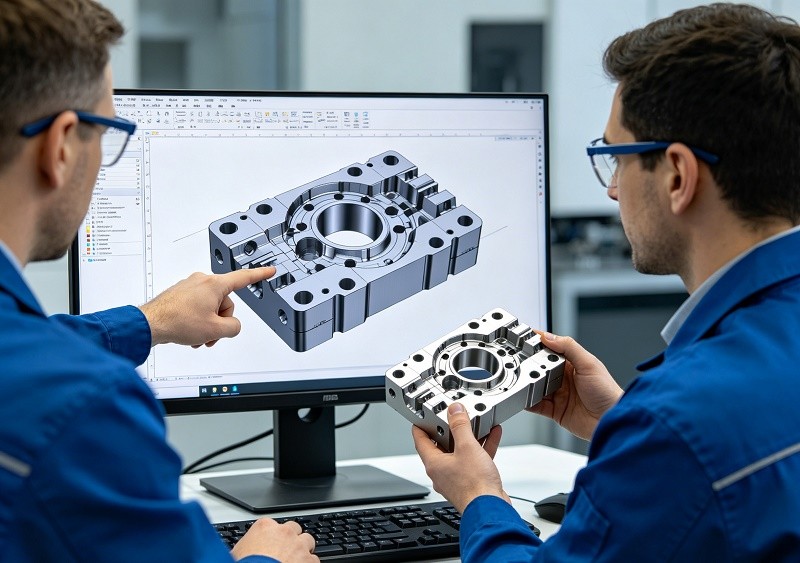
However, machinery alone is not enough. The true value comes from a supplier who acts as a consultative partner, offering proactive engineering support. This is often realized through Design for Manufacturability (DFM) feedback. DFM is a collaborative process where the supplier analyzes your part design and suggests modifications to improve manufacturability, reduce costs, and enhance performance without compromising the part's function. For example, they might recommend slight tolerance adjustments to reduce machining time, suggest a more cost-effective or readily available material, or identify design features that could be simplified to streamline production.
This early-stage collaboration is critical, as 70-80% of a product's cost is determined during the design phase. By engaging with a supplier who provides this expertise, you can prevent expensive redesigns, avoid production bottlenecks, and ensure your components are optimized for both quality and cost-efficiency from the very beginning. This synergy between advanced manufacturing technology and in-depth engineering expertise is the hallmark of a supplier truly invested in your success.
 ### Stringent Quality Control, Certifications (ISO/AS9100), and Full Traceability
For any manufacturer, but especially those in highly regulated industries, a supplier's quality management system (QMS) is a critical evaluation point. A top-tier supplier demonstrates their commitment to quality through stringent internal controls, internationally recognized certifications, and complete material traceability. These elements are not just bureaucratic hurdles; they are fundamental to ensuring part consistency, reliability, and compliance.
Key Certifications and Their Importance:
Certifications serve as independent verification that a supplier has established and adheres to documented processes for quality control. When evaluating a CNC turned parts supplier, look for the following:
| Certification | Industry Focus | Key Requirements & Benefits |
|---|---|---|
| ISO 9001:2015 | General Manufacturing | This is the global benchmark for a Quality Management System (QMS). Certification ensures the supplier has a robust framework for consistent process control, documented procedures, performance tracking, and continuous improvement. For customers, it signals reliability and a commitment to meeting quality standards on every order. |
| AS9100 | Aerospace & Defense | This standard includes all the requirements of ISO 9001 but adds approximately 100 additional, more stringent criteria specific to the aerospace industry. It mandates rigorous risk management, product safety protocols, and complete part traceability from raw material to finished component. For any supplier in the aerospace supply chain, AS9100 is often a mandatory requirement. |
| IATF 16949 | Automotive | This standard is for suppliers in the automotive industry. It focuses on defect prevention, reduction of variation, and waste reduction in the supply chain. It often requires a formalized Production Part Approval Process (PPAP) before full production begins. |
Full Material Traceability:
Full traceability is the ability to track a material's entire history through the supply chain—from the original mill it was created in, through every process it underwent, to its final delivery. This is not optional in regulated industries like aerospace and defense. A supplier with a robust traceability system can provide documentation, such as Mill Test Reports (MTRs), that verifies the material's chemical and mechanical properties. They also use heat and lot numbers to track specific batches.
This capability is crucial for risk management. In the event of a part failure or quality issue, full traceability allows for quick identification of the affected batch, enabling a targeted recall and preventing a widespread shutdown. It provides a defensible record for audits and proves compliance with industry regulations, offering you peace of mind and protecting your business from liability. A supplier who cannot provide this level of documentation introduces unacceptable risk into your supply chain.
Flexible Production Capacity and Guaranteed On-Time Delivery Performance
In today's dynamic market, demand can fluctuate unexpectedly. A key attribute of a strategic supplier is the ability to adapt to these changes. Flexible production capacity means the supplier has the resources, processes, and workforce to scale production up or down to meet your changing needs. This could involve accommodating a sudden increase in order volume, handling urgent requests, or adjusting to shifts in your production schedule. A supplier with rigid capacity and long lead times can become a bottleneck, preventing you from capitalizing on market opportunities or responding to competitive pressures.
Guaranteed on-time delivery (OTD) is another non-negotiable aspect of a top-tier supplier. A supplier’s OTD performance is a direct reflection of their internal efficiency, from production planning and scheduling to supply chain management. High OTD rates indicate a well-managed operation that you can rely on to keep your own production lines running. Before committing to a supplier, ask for their historical OTD metrics and speak with references to verify their performance. A transparent supplier will be able to provide this data and discuss their processes for ensuring timely delivery. A reliable partner understands that a missed delivery can halt your entire operation and will have contingency plans in place to mitigate potential delays, ensuring your supply chain remains robust and predictable.## Building a Strategic, Long-Term Alliance with Your CNC Turned Parts Supplier
The ultimate goal of supplier selection is to move beyond a transactional, order-by-order relationship and build a strategic, long-term alliance. This type of partnership is built on mutual trust, shared goals, and a commitment to collaborative success. A supplier that functions as an extension of your own team can provide invaluable expertise, drive innovation, and create a more resilient and competitive supply chain.
Fostering Transparent Communication and Collaborative Problem-Solving
The foundation of any strong partnership is open, transparent communication. In a manufacturing context, this means establishing clear and consistent channels for interaction, moving beyond scattered emails and phone calls to a more integrated approach. A true partner will be proactive in their communication, providing regular updates on production status, flagging potential issues before they become critical, and being responsive to your inquiries. This transparency builds trust and ensures that both parties are aligned on expectations, timelines, and quality standards.
Inevitably, challenges will arise in any manufacturing process. How you and your supplier respond to these challenges is a key differentiator. A collaborative approach to problem-solving transforms a reactive, blame-oriented dynamic into a proactive, solution-focused one. When a problem occurs—whether it's a design flaw, a material issue, or a production snag—a strategic partner works with you to identify the root cause and develop an effective solution. This joint problem-solving not only resolves immediate issues but also strengthens the relationship and leads to process improvements that prevent future problems. By fostering an environment where feedback is encouraged and challenges are addressed as a team, you create a partnership that is resilient, adaptive, and geared for continuous improvement.

Due Diligence: Crucial Questions to Ask Every Potential Supplier
Thorough due diligence is essential to vet potential suppliers and ensure they meet your standards. Going beyond their sales pitch and asking specific, probing questions will reveal their true capabilities and commitment to quality. A well-prepared questionnaire can serve as a powerful evaluation tool.
Here is a checklist of crucial questions to ask every potential CNC turned parts supplier:
1. Quality and Capabilities:
- What quality certifications do you hold (e.g., ISO 9001, AS9100, IATF 16949)? May we see your certification and recent audit results?
- Can you describe your quality management system in detail? What are your procedures for in-process inspection and final inspection?
- What is your documented process for handling non-conforming parts?
- Can you provide a full equipment list? What are the age and maintenance schedules for your key CNC machines?
- What is the tightest tolerance you can consistently hold on your turning centers?
- Do you offer Design for Manufacturability (DFM) feedback? Can you provide examples of how your feedback has helped other customers improve their designs or reduce costs?
2. Traceability and Materials:
- What is your process for ensuring full material traceability? Can you provide a sample traceability report, including Mill Test Reports (MTRs)?
- How do you manage and segregate different material types and lots within your facility?
- Which materials do you have the most experience machining? Are there any materials you do not work with?
3. Performance and Capacity:
- What has been your on-time delivery (OTD) rate over the past 12 months?
- What is your typical lead time for new parts versus repeat orders?
- How do you manage your production schedule to accommodate fluctuations in demand or urgent orders?
- Can you provide references from 2-3 current customers in our industry?
4. Communication and Partnership:
- Who would be our primary point of contact?
- What is your standard procedure for communicating order status and potential delays?
- How do you approach collaborative problem-solving when issues arise?
- Are you open to regular business reviews to discuss performance and opportunities for improvement?
A supplier who can provide clear, comprehensive, and confident answers to these questions is more likely to be a reliable and capable partner. Their willingness to be transparent is a strong indicator of their suitability for a long-term strategic alliance.### Prioritizing Total Cost of Ownership and Value Engineering in Supplier Selection
One of the most common pitfalls in procurement is selecting a supplier based solely on the lowest quoted price. While price is an important factor, it rarely tells the whole story. A truly strategic approach prioritizes the Total Cost of Ownership (TCO), a comprehensive financial model that assesses all costs associated with a component throughout its entire lifecycle. Adopting this mindset is crucial for building a cost-effective and resilient supply chain.
Understanding Total Cost of Ownership (TCO)
TCO extends far beyond the initial purchase price. It provides a more accurate picture of the long-term financial impact of a sourcing decision. The key components of TCO can be broken down as follows:
- Acquisition Costs: These are the upfront expenses required to purchase the part and get it to your facility. This includes not only the supplier's price but also costs related to transportation, tariffs, taxes, and any initial quality inspections.
- Ownership Costs: These are the costs incurred while the part is in your possession, before the final product is sold. This category includes inventory and warehousing costs, expenses related to poor quality (rework, scrap), and the cost of production downtime caused by late or defective parts.
- Post-Ownership Costs: These costs arise after the product has reached the customer. They include warranty claims, product recall expenses, and the reputational damage that results from product failures.
A supplier who offers a rock-bottom price may have higher indirect costs, such as poor quality that leads to expensive rework, or unreliable delivery that shuts down your production line. By calculating the TCO, you can make a more informed, data-driven decision that optimizes for long-term value, not just short-term savings.
The Role of Value Engineering
A top-tier supplier does more than just manufacture parts to a print; they actively contribute to making your product better and more cost-effective through Value Engineering. Value engineering is a systematic method for analyzing a product's design to achieve its essential functions at the lowest possible cost without sacrificing quality, performance, or safety.
A supplier with strong value engineering capabilities will collaborate with your design team early in the process to:
- Optimize Design for Manufacturability: Suggesting modifications that make the part easier and faster to machine.
- Improve Material Selection: Recommending alternative materials that offer similar performance at a lower cost or with better availability.
- Consolidate Parts: Identifying opportunities to combine multiple components into a single, more efficient design, reducing assembly time and inventory complexity.
- Eliminate Unnecessary Costs: Analyzing every feature to ensure it adds function and value, rather than just cost.
When a supplier provides this level of engineering insight, they become a source of competitive advantage. They help you build a better, more profitable product while strengthening your supply chain. This is why prioritizing value—through both TCO analysis and value engineering—is a hallmark of strategic supplier selection.
Conclusion
Ultimately, selecting the best CNC turned parts supplier means looking beyond just price and focusing on a long-term, trustworthy partnership. The right supplier is an invaluable asset who contributes directly to your operational efficiency, product quality, and overall market competitiveness.
We believe that a well-chosen CNC turned parts supplier functions as an extension of our own team, providing not just parts, but expertise, reliability, and a shared commitment to excellence. They are partners in innovation and problem-solving, helping to fortify the entire supply chain against disruption and uncertainty.
By following the guidelines outlined in this article—from evaluating their manufacturing capabilities and quality systems to prioritizing transparent communication and total cost of ownership—you can forge a strategic alliance with a supplier that truly contributes to your success. This diligent approach ensures your supply chain is not a source of risk, but a powerful engine for growth and long-term value.
We encourage you to use these principles in your own supplier selection process. Share this article with your procurement and engineering teams, and let us know your thoughts on building successful supplier partnerships in the comments below.