Mastering Miniaturization: The Art and Science of Custom Metal Shielding Frame Stamping
- Share
- Issue Time
- Mar 22,2026
Summary
Precision metal stamping enables custom EMI/RFI shielding frames for miniaturized electronics.
The Unseen Guardian: Why Custom Metal Shielding is Critical for Modern Electronics
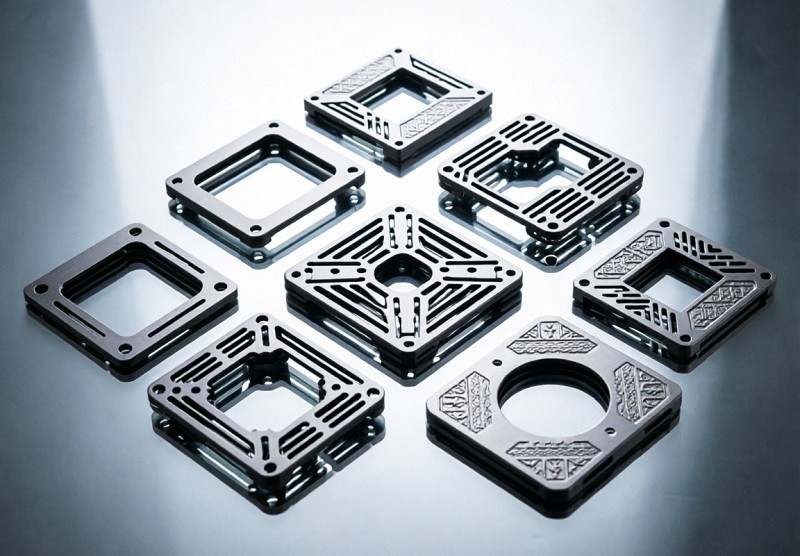
In today's fast-paced world of consumer electronics, the push for miniaturization is relentless. Smartphones, wearables, and IoT devices are becoming increasingly compact while packing more features and power. This trend places immense pressure on internal components, which must be smaller, lighter, and more efficient than ever before. Central to the performance and longevity of these devices is the custom metal shielding frame—an unsung hero that protects sensitive electronics from electromagnetic interference (EMI) and radio frequency interference (RFI). Without effective shielding, device performance can degrade, leading to dropped calls, slow data, or complete failure. Custom metal stamping has emerged as the premier manufacturing method for creating these intricate and essential components with the required precision and reliability.
Understanding the Role of EMI/RFI Shielding
Electronic devices generate electromagnetic fields during operation. When multiple components are packed tightly together, their fields can interfere with each other, disrupting signals and corrupting data. EMI and RFI shielding acts as a Faraday cage, isolating critical components like processors, antennas, and sensitive circuits. By using conductive or magnetic materials, custom-stamped shields block and dissipate unwanted electromagnetic energy, ensuring the integrity and stable performance of the device. This protection is vital not only for functionality but also for meeting stringent regulatory standards for electromagnetic compatibility (EMC).
The Precision Metal Stamping Process: A Symphony of Engineering
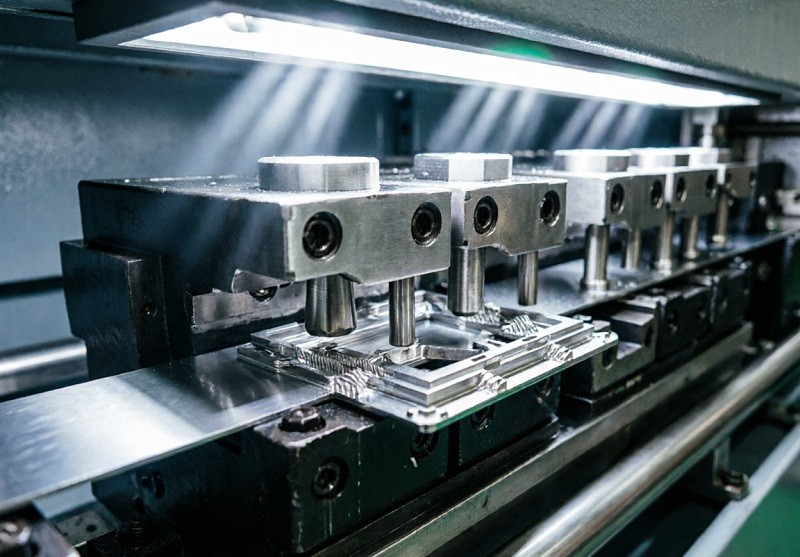
Creating a custom metal shielding frame is a multi-stage process that demands exceptional precision. It transforms a flat sheet of metal into a complex, three-dimensional component with tolerances measured in microns. The primary method used is progressive die stamping, where a strip of metal is fed through a series of stations, each performing a specific operation like blanking, punching, bending, and drawing until the final part is formed. This automated, high-speed process is ideal for producing the large volumes required by the consumer electronics market with outstanding consistency. The key stages include blanking, bending, punching, drawing, and coining, each contributing to the final precise shape of the shield.
The Foundation of Performance: Material Selection
The choice of material is fundamental to the effectiveness of an EMI shield. Different materials offer varying levels of shielding, corrosion resistance, solderability, and cost. Common materials include Tin-plated Cold-Rolled Steel, which is cost-effective for low-frequency shielding, and Nickel Silver, an excellent choice for high-frequency applications due to its non-magnetic, corrosion-resistant properties. Other options like copper, brass, and specialized alloys are selected based on specific application demands, balancing performance requirements with manufacturing considerations.
From Concept to Component: The Importance of Design and Prototyping
Effective shielding begins long before the stamping press starts. Collaboration between device designers and stamping engineers is crucial. Using advanced software like CAD/CAM and Finite Element Analysis (FEA), engineers can simulate the stamping process and predict the shield's performance, optimizing the design for both manufacturability and EMI protection. Prototyping plays a vital role in this phase, allowing for physical testing and refinement of the design before committing to mass production. This iterative process ensures the final shield fits perfectly and performs flawlessly within the device.
Advanced Technologies Driving Precision
The demand for ever-tighter tolerances has pushed the boundaries of stamping technology. High-speed presses capable of over 1,500 strokes per minute, combined with advanced tooling and in-die sensors, enable the creation of incredibly intricate and miniature parts. Technologies such as micro-stamping, laser cutting, and automated in-line inspection systems ensure that every component meets exacting specifications. These innovations are what make it possible to produce shielding frames for today's ultra-slim devices without compromising on quality or performance.
Key Advantages of Custom Stamping for Shielding Frames
Custom metal stamping offers several distinct advantages over other manufacturing methods like CNC machining or casting, particularly for high-volume production:
- High Precision and Repeatability: Automated processes ensure every part is virtually identical, maintaining tight tolerances across millions of units.
- Cost-Effectiveness at Scale: Once the initial tooling is created, the per-unit cost is significantly lower than other methods, making it ideal for mass-market electronics.
- Complex Geometries: Stamping can create complex features like interlocking seams, vents, and embossed patterns that are difficult to achieve otherwise.
- Speed and Efficiency: High-speed progressive die stamping allows for rapid production, shortening lead times and helping companies get products to market faster.
Addressing Miniaturization and Thermal Management
As components shrink, managing heat becomes just as important as managing EMI. Custom shielding frames can be designed with integrated thermal solutions. For example, some shields are made from materials with high thermal conductivity, like aluminum alloys, or are designed to incorporate thermal interface materials (TIMs) that help dissipate heat away from sensitive processors. This dual-functionality is a key innovation, allowing a single component to solve two of the biggest challenges in modern electronic design.
The Role of Secondary Operations and Finishes
After stamping, shielding frames often undergo secondary processes to enhance their functionality and durability. Plating with materials like tin or nickel improves solderability and corrosion resistance. Functional coatings, such as dielectric layers, can be applied to prevent short circuits. Furthermore, processes like laser welding can be used to join dissimilar metals or create fully sealed enclosures. These finishing touches are critical for ensuring the shield's long-term reliability.
| Process | Benefit | Application Example |
|---|---|---|
| Tin Plating | Enhances solderability, good conductivity | Board-level shields requiring a strong solder connection |
| Nickel Plating | Excellent corrosion and wear resistance | Shielding for devices used in harsh environments |
| Dielectric Coating | Provides electrical insulation | Prevents short circuits between the shield and other components |
| Laser Welding | Creates strong, precise seams | Assembling multi-piece or fully enclosed shielding cans |
Quality Control: The Non-Negotiable Final Step
For components where microns matter, stringent quality control is paramount. Manufacturers employ a suite of advanced metrology tools, including CMMs (Coordinate-Measuring Machines), optical vision systems, and laser scanners, to verify every dimension of the stamped part. In-line automated inspection systems monitor production in real-time, detecting and correcting deviations before they lead to defects. This commitment to quality ensures that every shield that leaves the factory meets the highest standards of performance and reliability, backed by certifications like ISO 9001.
The Future of Shielding: Smarter, Smaller, and More Integrated
The evolution of custom metal shielding is far from over. Future trends point towards even greater integration and intelligence. We can expect to see shields with embedded sensors for real-time performance monitoring, the use of advanced composite materials, and hybrid manufacturing processes that combine stamping with 3D printing for unparalleled complexity. As technologies like 5G, AI, and the IoT become more pervasive, the need for innovative and effective shielding solutions will only grow, cementing the role of precision metal stamping as a cornerstone of the electronics industry.
Partnering for Success in a Competitive Market
For electronics manufacturers, selecting the right partner for custom metal shielding is a strategic decision. An expert stamping provider does more than just produce parts; they offer collaborative design support, material science expertise, and a deep understanding of the challenges of the electronics industry. By working closely with a knowledgeable supplier from the outset, companies can optimize their designs, reduce costs, and accelerate their time to market, gaining a crucial competitive edge in this dynamic field.