Inside a China CNC Drilling Parts Factory: A One-Stop Manufacturing Tour
- Share
- Issue Time
- Dec 23,2025
Summary
A tour of a Chinese CNC drilling factory showcasing precision machining, multi-axis equipment, diverse materials, strict quality control, and smart manufacturing for global industries.
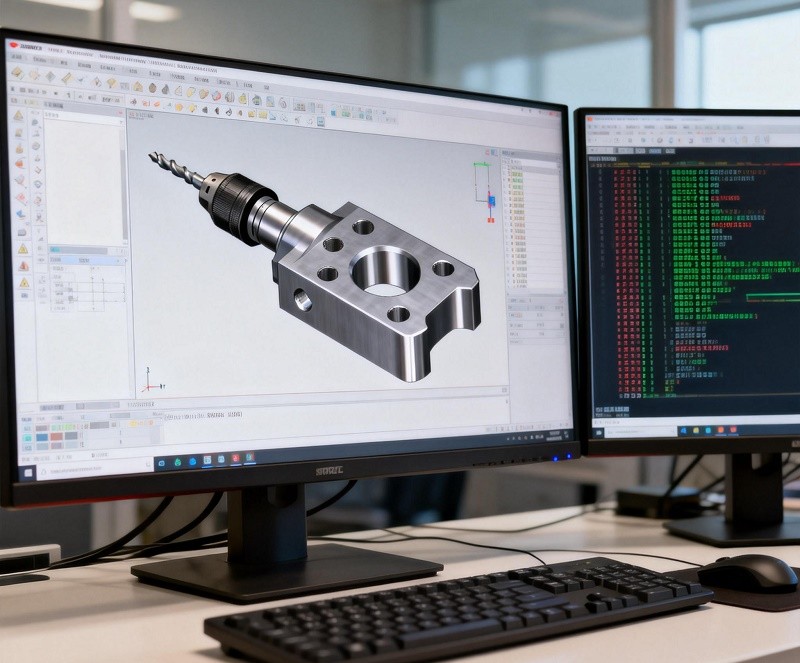
Welcome to an exclusive look inside a China CNC drilling parts factory, where precision meets innovation. We're cutting through the noise to show you how these facilities are revolutionizing manufacturing. Join us on a journey through the advanced world of CNC drilling, exploring everything from initial design to the final, high-quality component. We'll reveal the secrets behind China's growing leadership in the global CNC machining market. This tour will demystify the CNC drilling process, highlighting the technologies, materials, and stringent quality controls that make Chinese factories a powerhouse for producing critical parts.
Understanding CNC Drilling: The Core of a China CNC Drilling Parts Factory
At the heart of modern manufacturing lies the ability to create components with unerring accuracy and speed. CNC (Computer Numerical Control) drilling is a foundational process that embodies this principle. It is a subtractive manufacturing method that uses computer-controlled machines to create precise, round holes in a workpiece. This technology has become indispensable across countless industries, from aerospace to electronics, where every detail matters. Unlike manual methods that rely on operator skill and are prone to inconsistency, CNC drilling automates the entire operation, ensuring that every part is a perfect replica of its digital blueprint. This automation leads to significant gains in efficiency, repeatability, and the ability to execute complex designs that would be impossible by hand.
What is CNC Drilling and Why It Matters for Manufacturing
CNC drilling is a precise machining process that uses a rotating cutting tool, or drill bit, to bore holes into a stationary material. The movement of the drill bit, the speed of its rotation (spindle speed), and the rate at which it advances into the material (feed rate) are all controlled by a computer program. This program, typically written in a language called G-code, dictates the exact coordinates, depth, and diameter of each hole, ensuring exceptional accuracy often within tolerances as tight as ±0.005 inches (±0.127 mm).
The importance of CNC drilling in modern manufacturing cannot be overstated. Here’s why it is so critical:
- Unmatched Precision and Consistency: Automation eliminates human error, guaranteeing that every hole is drilled in the exact same location with the same dimensions, which is vital for parts that require assembly. This level of precision is virtually impossible to achieve consistently with manual drilling, especially in high-volume production.
- Increased Efficiency and Productivity: CNC machines can operate continuously with minimal supervision, drastically reducing production cycle times compared to traditional methods. Their ability to perform complex drilling jobs quickly and without error translates directly into higher output and shorter lead times.
- Enhanced Design Freedom: The adaptability of CNC machines empowers engineers to design parts with intricate hole patterns, varied depths, and complex angles. Operations that would be difficult or time-consuming to perform manually are handled with ease.
- Versatility in Materials: CNC drilling is effective on a wide range of materials, including metals, plastics, wood, and composites, making it a versatile solution for nearly any industry.
Holes are a fundamental feature in almost all manufactured parts, whether for assembly with screws and bolts or for aesthetic purposes. CNC drilling provides the reliable and efficient means to create them, forming the backbone of countless production lines worldwide.
The Step-by-Step CNC Drilling Process in a China Factory
Achieving the high precision expected from a modern Chinese CNC drilling facility involves a structured, multi-stage workflow. This systematic process ensures that the final product perfectly aligns with the initial design specifications, transforming a digital concept into a physical, functional part. Here’s a detailed breakdown of the journey.
From CAD to CAM: Designing for Precision
The entire manufacturing process begins on a computer screen. This digital-first approach is fundamental to the precision and efficiency of CNC machining.
Computer-Aided Design (CAD): The first step is to create a detailed 2D drawing or 3D model of the part using CAD software. Engineers use powerful programs like SolidWorks, AutoCAD, or Fusion 360 to define the exact geometry of the component, including the precise location, diameter, and depth of every hole. This digital blueprint is the single source of truth for the entire production process.
Computer-Aided Manufacturing (CAM): Once the CAD model is finalized, it's imported into CAM software. The CAM software acts as a translator, converting the visual design into a set of instructions, or G-code, that the CNC machine can understand. During this stage, the programmer defines critical parameters, such as:
- Toolpath Generation: The software calculates the most efficient path for the drill bit to follow to create each hole.
- Tool Selection: The appropriate drill bits and other tools are selected based on hole size and material type.
- Cutting Parameters: Spindle speed, feed rate, and the type of drilling cycle (e.g., standard drilling, peck drilling for deep holes, or chip-breaking cycles) are determined to optimize performance and prevent tool wear.
Simulation: Before sending the program to the machine, advanced CAM software allows for a complete simulation of the drilling process. This crucial step helps identify potential collisions, errors in the toolpath, or inefficient operations, saving valuable time and preventing costly mistakes on the factory floor.
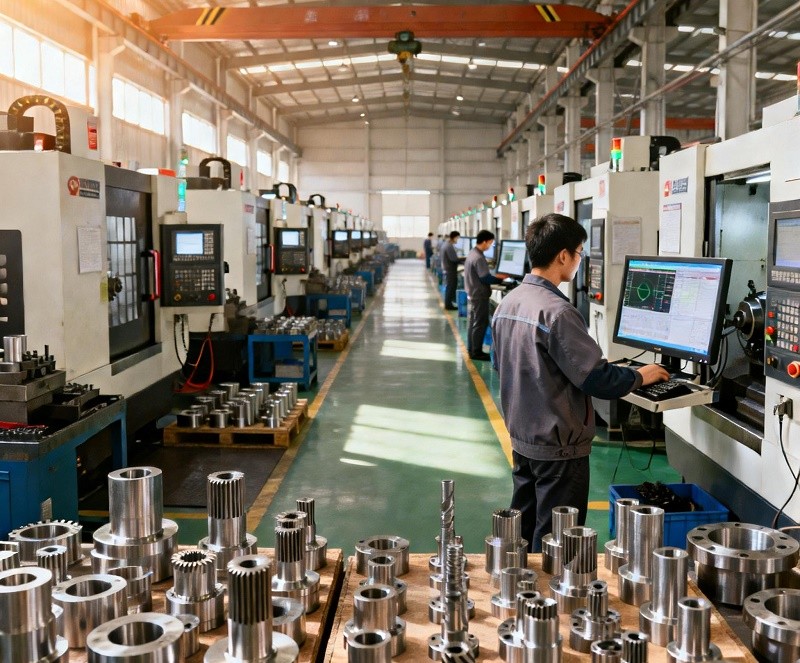
Machine Setup and Automated Operations
With the G-code program generated, the process moves from the digital realm to the physical machine on the factory floor. The setup is a critical phase where precision is paramount.
Workpiece Fixturing: The raw material block (the workpiece) must be securely fastened to the machine's table. This is accomplished using vises, custom fixtures, or clamps. Proper work holding is essential to prevent any movement or vibration during the high-speed drilling operation, as even the slightest shift can compromise accuracy.
Tool Loading and Calibration: The operator loads the correct drill bits and any other required cutting tools into the machine's tool changer or spindle. Each tool's length and diameter are precisely measured and registered in the machine's control system. The operator then establishes a "zero" or reference point on the workpiece, from which all programmed movements will be based.
Executing the Program: The G-code is loaded into the CNC controller. Once the operator initiates the cycle, the machine takes over completely. The spindle spins the drill bit to the programmed speed, the table and spindle move to position the tool precisely over the first coordinate, and the drilling operation begins. The machine executes the entire sequence of programmed instructions automatically, moving from hole to hole with incredible speed and accuracy until the part is complete.
Post-Processing and Final Touches
The journey of a CNC drilled part doesn't end when the machine stops. To meet final specifications and ensure perfect quality, several post-processing steps are often required. These finishing touches are crucial for both the function and appearance of the component.
- Deburring: The drilling process can leave small, sharp ridges of material, known as burrs, around the edges of the holes. Deburring is the process of removing these imperfections to ensure safety, proper fit during assembly, and a smooth finish.
- Cleaning: Parts are thoroughly cleaned to remove any residual cutting fluids, chips, and debris from the machining process.
- Surface Finishing: Depending on the application, parts may undergo various surface treatments. This can include processes like bead blasting for a uniform matte finish, polishing for a reflective surface, or anodizing (for aluminum) to improve corrosion resistance and add color.
- Quality Inspection: The final and most critical step is a rigorous quality check. Using precision measuring instruments like calipers, micrometers, and advanced Coordinate Measuring Machines (CMM), inspectors verify that every hole and feature on the part meets the exact dimensions and tolerances specified in the original CAD design. Only after passing this inspection is the part ready for packaging and delivery.
This meticulous process, from digital design to final inspection, is how a modern China CNC drilling parts factory ensures it delivers components of the highest quality and precision.
Types of CNC Machines and Their Capabilities in a China CNC Drilling Parts Factory
While "CNC drilling" points to a specific operation, it is performed on a variety of computer-controlled machines, each with unique strengths. A well-equipped factory in China leverages a diverse fleet of CNC equipment to handle any project, from the simplest hole to the most complex component. The choice of machine depends on the part's geometry, material, and production volume. Understanding these machines provides insight into the immense capabilities of modern manufacturing.
Versatile CNC Milling Machines: Shaping Complex Geometries
CNC milling is a process where a rotating cutting tool removes material from a stationary workpiece. While drilling creates holes, milling machines are masters of creating complex features like slots, pockets, contours, and 3D surfaces. Most CNC mills can also perform drilling operations, making them incredibly versatile workhorses. They are defined by their axes of movement:
- 3-Axis Milling: The tool moves along the X (left-right), Y (front-back), and Z (up-down) axes. This is suitable for machining on a single face of a part and is highly effective for a wide range of components.
- 4-Axis Milling: This adds rotation around one axis (usually the A-axis), allowing the machine to work on four sides of a workpiece without needing to manually reset it. This is useful for parts with features on multiple sides.
- 5-Axis Milling: These advanced machines can move on three linear axes and two rotational axes simultaneously. This allows the cutting tool to approach the workpiece from virtually any angle, making it possible to produce extremely complex geometries, such as turbine blades or custom medical implants, in a single setup.
The ability to machine intricate shapes and geometries with high precision makes CNC milling indispensable, particularly in the aerospace, automotive, and medical industries.
CNC Lathes and Turning Machines: Crafting Cylindrical Perfection
In contrast to milling, where the tool rotates, CNC turning involves rotating the workpiece at high speed while a stationary cutting tool removes material. This process is performed on a CNC lathe or turning center and is the ideal method for creating cylindrical, conical, or spherical parts with exceptional precision.
Key operations performed on a CNC lathe include:
- Turning: Reducing the outer diameter of a workpiece.
- Facing: Creating a flat, smooth surface on the end of a part.
- Boring: Enlarging an existing hole.
- Grooving: Cutting channels or grooves into a part.
- Threading: Creating internal or external threads.
Modern CNC turning centers in leading Chinese factories often feature "live tooling." This hybrid capability incorporates rotating tools (like drills and end mills) into the lathe's turret. A live-tool lathe can stop the workpiece from rotating and perform milling and drilling operations off-center, allowing it to produce parts with both cylindrical and milled features in a single setup. This integration of milling and turning into one machine boosts productivity and precision.
Specialized CNC Drilling Machines and EDM
For certain applications, specialized machines offer capabilities beyond what standard mills and lathes can provide.
Specialized CNC Drilling Machines: While a mill can drill, a dedicated CNC drilling machine is optimized for one job: creating holes with high speed and precision. A gun drilling machine, for example, is designed specifically for producing very deep, straight, and precise holes, which are critical in industries like automotive (for fuel rails) and aerospace (for hydraulic components). Multi-spindle drilling machines have several drills operating simultaneously, making them perfect for mass-producing parts with repetitive hole patterns.
Electrical Discharge Machining (EDM): EDM, also known as spark machining, is a non-traditional process that uses a series of rapid electrical discharges (sparks) to erode material. An electrode and the workpiece are submerged in a dielectric fluid, and as sparks jump between them, they precisely remove material without any physical contact. EDM is invaluable for:
- Drilling extremely small holes (micro-holes) that are too small for conventional drill bits.
- Machining extremely hard materials like hardened tool steel, titanium, or carbide, which are difficult or impossible to drill conventionally.
- Creating complex shapes or holes that are not round.
- Drilling into curved or angled surfaces without the drill "walking."
EDM hole drilling, often called "hole popping," is a key technology for producing features like cooling holes in turbine blades or tiny nozzles.
The Power of Multi-Axis CNC Machining in a Modern Factory
The convergence of these technologies is found in multi-axis CNC machining, particularly 5-axis machines. The ability to manipulate the tool and workpiece along multiple axes revolutionizes production. The key advantages of multi-axis machining include:
- Production of Highly Complex Parts: By allowing the tool to approach the workpiece from any angle, manufacturers can create intricate geometries, undercuts, and contoured surfaces that are impossible with 3-axis machines.
- Increased Efficiency and Reduced Lead Times: Many parts that would require multiple setups on different machines can be completed in a single setup on a multi-axis machine. This dramatically reduces total machining time, minimizes the risk of errors from re-fixturing, and shortens the overall production cycle.
- Superior Surface Finish: Multi-axis machines can use shorter, more rigid cutting tools because they can tilt the tool or workpiece to maintain an optimal cutting position. This reduces tool vibration, leading to a smoother and more accurate surface finish.
- Greater Accuracy: Completing a part in a single setup eliminates the potential for alignment errors that can occur when a part is moved from one machine or fixture to another. This results in higher overall dimensional accuracy.
A modern China CNC drilling parts factory equipped with a full range of 3, 4, and 5-axis machines, lathes with live tooling, and specialized EDM capabilities can offer a true one-stop manufacturing solution, capable of turning any design, no matter how complex, into a high-quality finished component.
Materials and Applications: What a China CNC Drilling Parts Factory Can Do
A key strength of CNC machining is its compatibility with a vast spectrum of materials. This versatility allows Chinese CNC factories to serve a diverse global clientele across numerous high-tech industries. The choice of material is dictated by the part's required properties, such as strength, weight, heat resistance, electrical conductivity, and cost. From common metals like aluminum to advanced engineering plastics, the right material is essential for optimal performance.
Metals of Choice: From Aluminum to Titanium
Metals are the most common materials used in CNC machining due to their strength, durability, and other favorable properties. A well-equipped factory can handle a wide array, each with unique characteristics.
| Metal | Key Properties | Common Grades/Alloys | Typical Applications |
|---|---|---|---|
| Aluminum | Lightweight, high strength-to-weight ratio, excellent corrosion resistance, good machinability, high thermal & electrical conductivity. | 6061 (General Purpose), 7075 (High Strength) | Aerospace components, automotive parts, consumer electronics housings, heatsinks, bike frames. |
| Stainless Steel | High strength, excellent corrosion and heat resistance, durable, easily sterilized. | 304 (General Corrosion Resistance), 316 (Marine/Medical Grade), 17-4 PH (High Strength) | Medical and surgical devices, food processing equipment, marine hardware, automotive exhaust systems. |
| Carbon Steel | Strong, hard, wear-resistant, and cost-effective. Susceptible to rust unless coated. | 1018 (Mild Steel), 1045 (Medium Carbon), A36 (Structural) | Machinery parts, jigs and fixtures, fasteners, structural components. |
| Titanium | Highest strength-to-weight ratio of any metal, exceptional corrosion resistance, biocompatible. | Grade 2 (Commercially Pure), Grade 5 (Ti-6Al-4V) | Aerospace structural parts (landing gear), medical implants (hip joints), high-performance engine valves. |
| Brass / Copper | Brass: Low friction, excellent electrical conductivity, corrosion-resistant. Copper: Superior electrical and thermal conductivity. | C360 Brass, 101 Copper (Oxygen-Free) | Electrical connectors, plumbing fittings, musical instruments, heat exchangers, decorative hardware. |
| Specialized Alloys | alloys designed for extreme environments, offering superior strength, heat resistance, and chemical resistance. | Inconel (High-Temp Aerospace), Monel (Marine/Chemical), Kovar (Electronics) | Jet engine components, chemical processing equipment, oil & gas hardware, vacuum-sealed electronic parts. |
The Role of Plastics in CNC Drilling
While metals are common, CNC machining is also highly effective for engineering plastics. Plastics are chosen when properties like light weight, electrical insulation, chemical resistance, or self-lubrication are required. Drilling plastics requires special care to prevent melting and cracking, but modern CNC factories have perfected the techniques.
Commonly Machined Plastics:
- Acetal (POM / Delrin®): High stiffness, low friction, excellent dimensional stability. Used for gears, bearings, and high-performance moving parts.
- Nylon (PA): Strong, tough, and resistant to wear and chemicals. Used for insulators, wheels, and structural components.
- PEEK (Polyether Ether Ketone): An advanced thermoplastic with outstanding mechanical strength, chemical resistance, and performance at high temperatures. Used in aerospace, medical, and semiconductor applications.
- Polycarbonate (PC): High impact strength and transparency. Used for machine guards, optical lenses, and electronic housings.
- ABS (Acrylonitrile Butadiene Styrene): Good impact resistance, toughness, and easy machinability. Commonly used for prototypes, enclosures, and consumer goods.
CNC machining of plastics is crucial for creating prototypes, insulators, custom housings, and functional parts in the electronics and medical device industries.
Diverse Applications Across Industries: Automotive, Medical, and More
The combination of advanced CNC machinery and a wide material selection allows Chinese factories to produce critical parts for nearly every major industry. The precision, repeatability, and efficiency of CNC drilling and machining are essential for meeting the stringent quality standards of these sectors.
- Automotive: The automotive industry relies on CNC machining for everything from rapid prototyping of new designs to mass production of critical components. Examples include engine blocks, pistons, transmission housings, suspension parts, and custom fixtures used in assembly lines.
- Aerospace: This industry demands the utmost in precision and reliability. CNC machining is used to create parts with complex geometries and from high-performance materials like titanium and Inconel. Key applications include turbine blades, landing gear components, structural brackets, and fuel system parts.
- Medical and Dental: Biocompatible materials like titanium and medical-grade stainless steel are used to produce life-saving and life-enhancing devices. CNC machines create surgical instruments, orthopedic implants (hip, knee, and spinal), dental implants, and custom prosthetics with the required high precision.
- Electronics: From consumer gadgets to industrial control systems, electronics require precisely machined housings, heat sinks, connectors, and mounting brackets. Aluminum is a popular choice for its light weight, thermal conductivity, and premium feel.
- Robotics and Automation: The growing field of robotics depends on custom-machined structural components, joints, grippers, and mounting plates that must be both lightweight and strong to ensure fast and precise movement.
- Oil and Gas: This demanding industry requires robust parts that can withstand high pressures and corrosive environments. CNC machining is used to produce valves, flanges, and downhole drilling components from durable materials like stainless steel and specialized alloys.
This wide range of applications demonstrates how a China CNC drilling parts factory serves as a vital hub in the global supply chain, providing the essential components that drive innovation across the technological landscape.
The Advantages and Future of a China CNC Drilling Parts Factory
Factories in China specializing in CNC drilling have become global leaders by combining technological prowess with strategic manufacturing advantages. They offer more than just parts; they provide engineered solutions that balance precision, cost, and quality. Looking forward, these facilities are poised to further redefine manufacturing by embracing the next wave of industrial innovation.
Achieving Unmatched Precision and Repeatability
The primary advantage of CNC machining lies in its ability to produce parts with incredible accuracy and consistency.
- Precision: Guided by computer code, CNC machines can achieve tolerances that are impossible to replicate manually, often measured in micrometers (μm). This ensures that every feature on a part, from the diameter of a hole to the flatness of a surface, is exactly as designed.
- Repeatability: Once a program is perfected, a CNC machine can produce thousands of identical parts with no deviation between the first and the last. This consistency is crucial for industries where components must be interchangeable and fit perfectly during assembly, such as in automotive or electronics manufacturing.
This level of precision and repeatability eliminates the guesswork and variability of manual work, ensuring high-quality outcomes for every production run.
Cost-Effectiveness and Efficiency in Chinese Manufacturing
China's manufacturing ecosystem provides several key advantages that translate into cost-effectiveness and efficiency for global customers.
- Economies of Scale: High production volumes allow factories to purchase raw materials in bulk at lower costs and optimize machine run times, reducing the per-unit price.
- Established Supply Chains: Decades of industrial development have created a robust and highly efficient supply chain for raw materials, tooling, and specialized services (like heat treatment or coating), minimizing delays and logistical costs.
- Skilled Labor and Automation: A large pool of skilled technicians and engineers, combined with a heavy investment in automation, creates a highly productive environment. Automation reduces labor costs and increases throughput, allowing machines to run 24/7.
- Optimized Production Processes: Continuous improvement methodologies and lean manufacturing principles are widely adopted to streamline workflows, reduce waste, and maximize operational efficiency.
These factors combine to allow Chinese CNC factories to offer highly competitive pricing without compromising on quality.
Quality Control and Certification in a China CNC Drilling Parts Factory
Top-tier Chinese manufacturers understand that quality is non-negotiable. They invest heavily in comprehensive quality control systems and seek internationally recognized certifications to prove their commitment to excellence.
Key Elements of a Robust Quality System:
- In-Process Inspection: Quality checks are not just performed at the end. Operators and automated probes check dimensions at various stages of the machining process to catch any deviations early.
- Final Inspection: Every batch of parts undergoes a rigorous final inspection using advanced metrology equipment, such as:
- Calipers and Micrometers: For basic dimensional checks.
- Coordinate Measuring Machines (CMMs): These highly precise machines use a probe to measure the geometry of a part in 3D space, comparing it against the original CAD model to verify complex features and tight tolerances.
- Material Traceability: Reputable factories maintain records to trace the raw-material batch for every part produced, which is crucial for accountability in industries like aerospace and medical.
Common Certifications:
- ISO 9001: The international standard for a quality management system (QMS). It demonstrates that a factory has established processes for consistent production and continuous improvement.
- AS9100: The specialized standard for the aerospace industry, which includes all ISO 9001 requirements plus additional criteria for safety and reliability.
- ISO 13485: The quality management standard for medical devices, ensuring that parts meet strict regulatory requirements for safety and efficacy.
These certifications provide customers with the confidence that their parts are being produced in a facility that adheres to the highest global standards.
Embracing Industry 4.0: Automation and AI in CNC Drilling
The future of manufacturing is digital, and leading Chinese CNC factories are at the forefront of adopting Industry 4.0 technologies. This "smart factory" revolution integrates digital and physical systems to create a more connected, intelligent, and efficient production environment.
Key Trends:
- Robotic Automation: Robotic arms are increasingly used to automate the loading and unloading of workpieces into CNC machines. This enables "lights-out" manufacturing, where production continues 24/7 with minimal human intervention, maximizing productivity.
- Internet of Things (IoT): Sensors placed on CNC machines collect real-time data on performance, temperature, and vibration. This data can be used for predictive maintenance, alerting technicians to potential issues before a machine breaks down, thereby minimizing downtime.
- Artificial Intelligence (AI) and Machine Learning: AI algorithms are being developed to optimize CAM programs, suggesting more efficient toolpaths that can reduce cycle times and extend tool life. Machine learning can also analyze in-process data to automatically adjust cutting parameters for optimal quality.
- Digital Twins: A digital twin is a virtual replica of a physical machine or even an entire production line. It allows manufacturers to simulate changes, test new processes, and optimize workflows in a virtual environment before implementing them on the factory floor, reducing risks and accelerating innovation.
By embracing these technologies, a China CNC drilling parts factory is not just keeping pace with global trends but is actively shaping the future of high-precision, intelligent manufacturing.
Optimizing Your Projects with a China CNC Drilling Parts Factory
Partnering with a Chinese CNC factory can unlock significant advantages in precision, cost, and efficiency. However, achieving the best results requires clear communication, careful partner selection, and a solid understanding of key technical details. By focusing on these areas, you can ensure your project runs smoothly and your final parts meet every expectation.
Selecting the Right CNC Drilling Partner in China
Choosing the right manufacturing partner is the most critical decision you'll make. Not all factories are created equal, and finding one that aligns with your project's needs is essential for success. Here are key factors to consider when vetting a potential partner:
| Criteria | What to Look For | Why It Matters |
|---|---|---|
| Technical Capabilities | A modern and diverse fleet of CNC machines (3, 4, and 5-axis), lathes with live tooling, and specialized equipment like EDM. A wide range of supported materials. | Ensures they have the right tools and expertise to handle the complexity and material requirements of your specific part. |
| Quality Certifications | Look for internationally recognized certifications such as ISO 9001 (general quality), AS9100 (aerospace), and ISO 13485 (medical). | Certifications are third-party proof that the factory has a robust and reliable quality management system in place. |
| Engineering and DfM Support | A strong engineering team that can offer Design for Manufacturability (DfM) feedback. They should be able to review your design and suggest modifications to improve quality, reduce cost, and speed up production. | A proactive partner can help you optimize your design before production begins, preventing costly errors and delays down the line. |
| Communication Skills | A responsive, English-speaking sales and engineering team. Clear and timely communication is crucial for project success. | Prevents misunderstandings regarding specifications, timelines, and feedback. A good partner acts as an extension of your own team. |
| Case Studies & References | Ask for examples of similar projects they have completed and, if possible, speak to past clients. | This provides real-world evidence of their capabilities, quality, and reliability. |
| Inspection and Metrology | A well-equipped quality lab with advanced inspection tools, especially a Coordinate Measuring Machine (CMM). | Demonstrates their commitment to verifying that your parts meet the specified tolerances. |
The Critical Importance of Correct Tap Drill Sizes and Thread Engagement
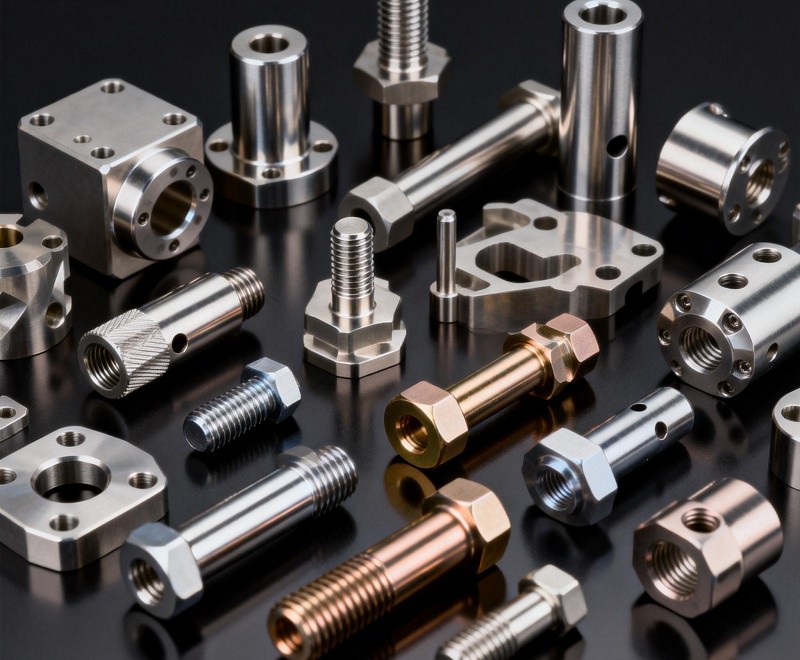
One of the most common—and critical—operations in a CNC drilling factory is creating threaded holes. A seemingly minor detail, the size of the hole drilled before tapping (the tap drill size) has a major impact on the strength and reliability of the final thread.
- What is Thread Engagement? Thread engagement refers to the percentage of overlap between the threads of the fastener (screw) and the internal threads of the tapped hole.
- The Trade-Off:
- High Engagement (e.g., 75-85%): Achieved with a smaller tap drill size. This creates a stronger thread, but it puts more stress on the tap during cutting, increasing the risk of tap breakage and requiring more machine power.
- Low Engagement (e.g., 50-60%): Achieved with a larger tap drill size. This is much easier to tap, with less risk of breakage, but results in a weaker thread.
For most general-purpose applications in materials like aluminum or mild steel, a 75% thread engagement provides a good balance, offering nearly the full strength of the fastener itself without being overly difficult to machine. In harder materials, a lower engagement (around 60-65%) may be specified to reduce the risk of breaking taps.
Communicating your required thread engagement or specifying the correct tap drill size on your technical drawings is essential for ensuring your parts have the necessary structural integrity.
Innovative Cooling Solutions: Enhancing Tool Life and Precision
Heat is the enemy of precision machining. It causes tools to wear out faster, can damage the workpiece surface, and can lead to thermal expansion that throws off tight tolerances. Modern CNC factories use advanced cooling (lubrication) systems to manage heat and ensure optimal cutting conditions.
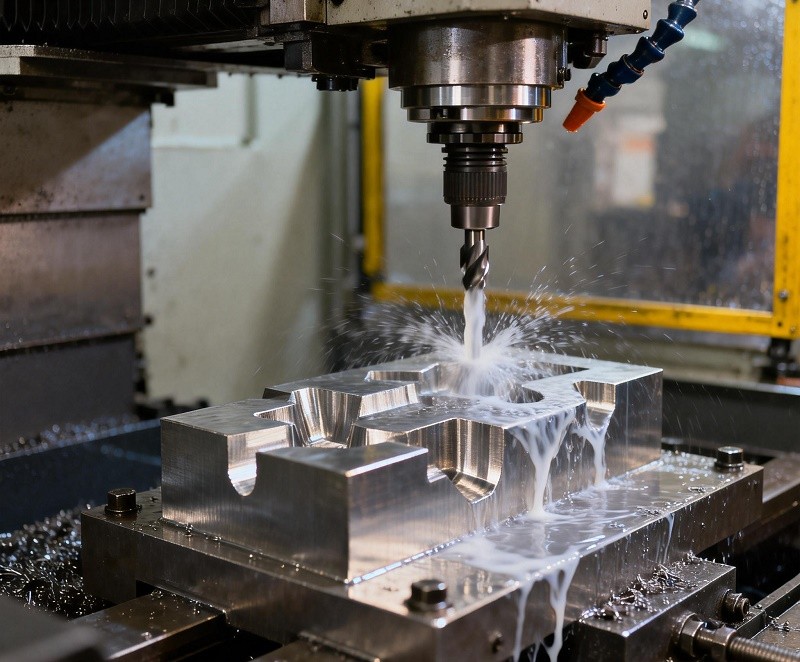
- Flood Coolant: The most common method, where a high volume of liquid coolant is pumped directly onto the cutting zone. This effectively cools the tool and workpiece while flushing away chips.
- Through-Spindle Coolant (TSC): A superior method where high-pressure coolant is delivered through a channel inside the spindle and out through the drill bit itself. This forces coolant directly to the cutting edge, which is extremely effective for deep hole drilling. It blasts chips out of the hole, prevents them from getting packed in, and provides an unparalleled cooling effect, leading to longer tool life and better hole quality.
- Minimum Quantity Lubrication (MQL): An eco-friendly alternative that uses a fine mist of oil mixed with compressed air. It provides just enough lubrication to reduce friction and heat, minimizing coolant usage and leaving parts nearly dry.
- Cryogenic Cooling: An advanced technique used for machining very difficult materials like titanium and Inconel. It uses liquid nitrogen to super-cool the cutting zone, dramatically reducing heat and preventing undesirable metallurgical changes in the workpiece.
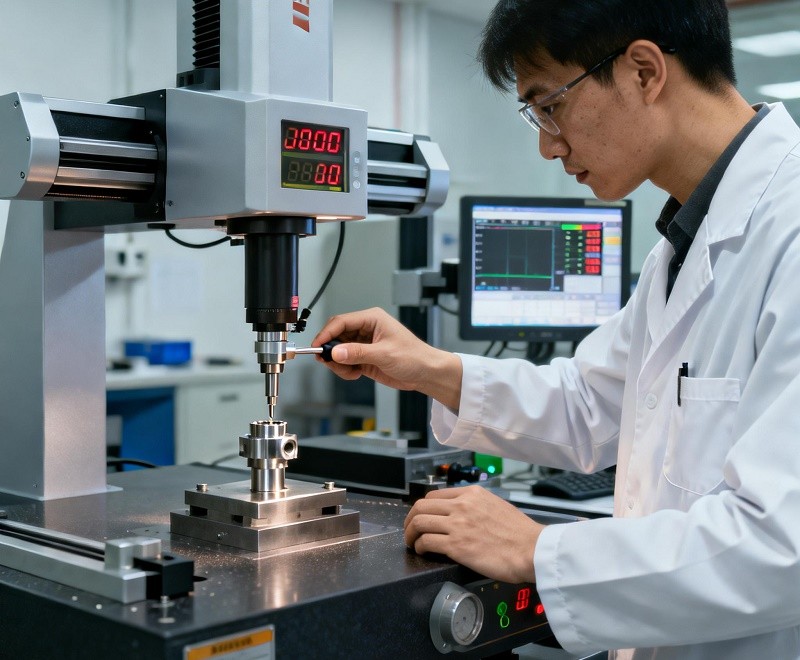
A factory's investment in advanced cooling technologies like TSC and MQL demonstrates a commitment to high-performance machining, tool longevity, and precision.
Our tour inside a China CNC drilling parts factory reveals a landscape of technological advancement, meticulous quality control, and unparalleled efficiency. It's clear that these facilities are not just producing parts; they are setting new benchmarks for precision manufacturing worldwide. The integration of advanced machinery, skilled expertise, and a commitment to innovation positions China as a leading hub for CNC drilling. We have seen how these factories deliver high-quality, cost-effective solutions for a vast array of industries.
The journey from a digital CAD file to a physically perfect, inspected component is a testament to the power of a well-orchestrated manufacturing process. By leveraging a diverse range of CNC machines, from multi-axis mills to specialized EDM equipment, these factories can tackle any geometric challenge. Their mastery over a wide array of materials, combined with an unwavering focus on quality assurance through certifications like ISO 9001, ensures that the final product meets the most stringent global standards. As they continue to embrace Industry 4.0 innovations like AI and robotics, their capabilities will only grow more impressive.
For any business, engineer, or innovator seeking a reliable partner to bring their designs to life, the advantages are clear. The next time your project demands precision-machined components, consider the immense capabilities that a state-of-the-art Chinese factory can offer. We encourage you to share this inside look with your colleagues and start a conversation about how these advanced manufacturing solutions can elevate your own projects.