Insert Molding vs. Overmolding: Choosing the Right Custom Plastic Injection Molding Process
- Share
- Issue Time
- Jan 28,2026
Summary
Compare insert molding vs overmolding: choose the right custom plastic injection process for strength, ergonomics, cost, and production efficiency.
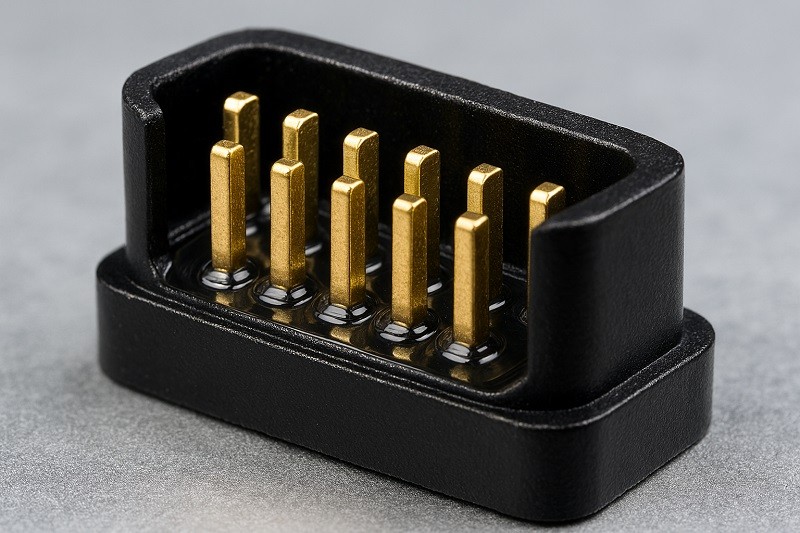
As experts in custom plastic injection molding, we understand that choosing the right manufacturing process can significantly impact your product's success. Two advanced techniques, insert molding and overmolding, offer unique advantages for creating durable, multi-material parts. These methods are pivotal in modern manufacturing, enabling the combination of plastics with other materials like metal or different types of polymers to create complex, functional, and aesthetically pleasing components. The decision between them is not always straightforward and depends on a multitude of factors, from part design and material selection to production volume and cost considerations.
This comprehensive guide will explore the core differences, benefits, and design considerations for both insert molding and overmolding. By delving into the nuances of each process, we aim to equip you with the knowledge necessary to determine which technique is best suited for your specific custom plastic injection molding project. Whether you are developing a surgical instrument, an automotive sensor, a power tool handle, or a consumer electronic device, understanding these processes is the first step toward optimizing your design for manufacturing and achieving a successful final product.
Understanding Custom Plastic Injection Molding: Insert Molding
Insert molding represents a sophisticated sub-discipline of custom plastic injection molding, centered on creating a single, robust component by molding plastic around a pre-existing part, known as an insert. This process is transformative, allowing engineers to combine the advantageous properties of different materials—such as the strength and conductivity of metal with the lightweight versatility and design freedom of plastic—into one cohesive unit.
What is Insert Molding?
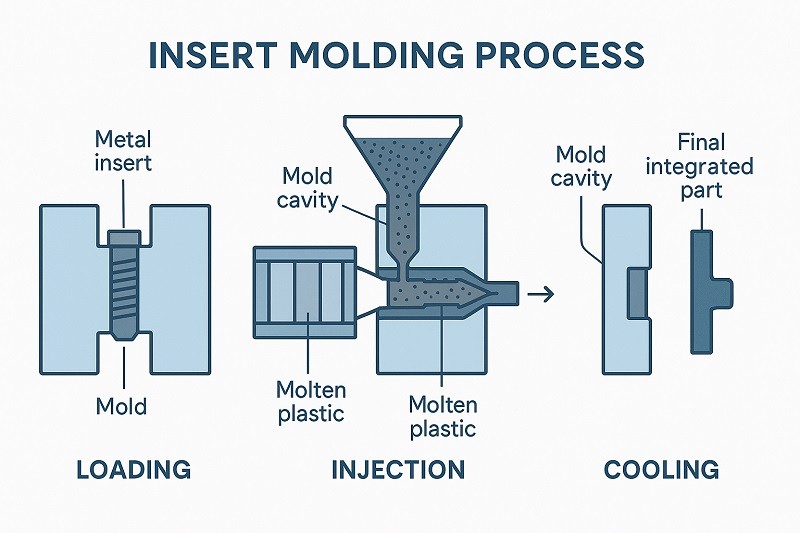
Insert molding, at its core, is a process where a pre-formed component (the insert) is placed into a custom mold cavity before plastic injection begins. Molten thermoplastic resin is then shot into the mold, enveloping the insert completely. As the plastic cools and solidifies, it forms a powerful mechanical and sometimes chemical bond with the insert, resulting in a single, seamlessly integrated part.
This technique is distinct from post-molding assembly operations like using adhesives or fasteners, as the integration happens directly within the molding cycle. The result is a composite part that leverages the unique characteristics of each material. For example, metal inserts can provide reinforced threads, electrical contacts, or structural support within a plastic housing.
The One-Step Process for Integrated Components
The elegance of insert molding lies in its efficiency as a one-step process for creating multi-material components. The procedure follows a clear and precise sequence:
- Insert Preparation and Loading: The insert, which can be anything from a machined metal screw to a complex electronic circuit, is first prepared. This may involve cleaning, degreasing, or pre-heating to ensure optimal adhesion and prevent thermal shock to the plastic. The prepared insert is then carefully placed into the mold, where it is held securely in position by features designed into the mold, such as pins or custom-shaped cavities. This placement can be done manually by an operator or automated with robotics for high-volume production.
- Injection Molding: Once the mold is closed with the insert inside, molten plastic is injected under high pressure. The plastic flows around the insert, filling every crevice and detail of the mold cavity. Precise control over injection pressure, temperature, and speed is critical to fully encapsulate the insert without dislodging it or causing damage.
- Cooling and Ejection: The plastic cools and solidifies around the insert, creating a strong, permanent bond. After a calculated cooling period, the mold opens, and the newly formed, integrated component is ejected. The final part requires no further assembly, significantly streamlining the manufacturing workflow.
This single-shot approach reduces production time and complexity, contrasting sharply with traditional methods that would require multiple downstream steps to assemble the same components.
Common Materials and Applications in Custom Plastic Injection Molding
The versatility of insert molding is evident in the wide range of materials and applications it supports. The choice of materials is a critical design consideration, as compatibility is key to the part's success.
Common Insert Materials: Inserts are not limited to just one material type. They can include:
- Metals: Stainless steel, brass, aluminum, and bronze are frequently used for providing threads, electrical conductivity, strength, and wear resistance.
- Ceramics: Used for applications requiring high insulation, heat resistance, or biocompatibility.
- Other Plastics: A pre-molded plastic part can serve as an insert, allowing for the creation of multi-color or multi-material plastic components.
- Electronic Components: Wires, connectors, circuits, and sensors can be encapsulated for protection and integration.
Common Plastic Substrates: Thermoplastic resins are ideal for this process due to their ability to be melted and solidified repeatedly. Popular choices include:
- Acrylonitrile Butadiene Styrene (ABS): Known for its toughness and impact resistance.
- Polycarbonate (PC): Offers high strength and temperature resistance.
- Nylon (PA): Valued for its excellent mechanical properties and chemical resistance.
- PEEK and PEI (Ultem): High-performance polymers used for demanding applications in aerospace and medical fields due to their exceptional thermal and mechanical stability.
The table below summarizes common material pairings and their typical uses:
| Insert Material | Plastic Resin | Common Applications |
|---|---|---|
| Brass, Stainless Steel | ABS, PC, Nylon | Threaded knobs, fasteners, electronic connectors, automotive sensors. |
| Ceramic Components | PEEK, PSU | Medical implants, high-temperature industrial sensors. |
| Electrical Wires/Pins | TPE, PVC | Encapsulated wire harnesses, sealed electrical plugs, USB ports. |
| Pre-molded Plastic | Polypropylene, TPE | Multi-color logos on tools, soft-touch grips on rigid handles. |
Applications for insert molding span nearly every industry, including medical devices like surgical instruments and catheters, automotive components such as dashboard parts and sensors, and electronics like connectors and mobile device frames.
Benefits of Custom Plastic Insert Molding
Opting for insert molding in a custom plastic injection molding project unlocks a host of compelling advantages that can elevate a product's performance, reduce its cost, and expand its design possibilities. By integrating components at the point of manufacture, this process delivers efficiencies and functional improvements that are difficult to achieve through traditional assembly methods.
Enhanced Strength and Durability
One of the primary benefits of insert molding is the creation of an exceptionally strong and durable part. When molten plastic solidifies around an insert, it forms a robust mechanical bond that encapsulates the component, holding it more securely than any adhesive or fastener could.
- Superior Part Integrity: The resin flows into and around any knurls, grooves, or undercuts on the insert, creating an interlocking connection that resists torque, pull-out forces, and vibration. This makes insert-molded parts exceptionally reliable in high-stress or dynamic environments.
- Wear Resistance: By using a metal insert in a high-wear area—such as a bushing for a rotating shaft or a threaded insert for repeated fastening—the durability of the entire component is significantly increased. The plastic housing provides the overall shape and lightweight properties, while the metal insert handles the mechanical stress.
- Component Protection: For delicate items like electronic sensors or circuits, insert molding provides a sealed, protective housing that shields them from moisture, dust, shock, and vibration, greatly extending the product's lifespan and reliability.
Reduced Assembly Costs and Increased Design Flexibility
From a manufacturing perspective, insert molding is a powerful tool for cost reduction and design innovation.
- Elimination of Secondary Operations: The process integrates components in a single step, eliminating the need for post-molding assembly tasks such as soldering, gluing, or installing screws and fasteners. This consolidation directly translates to lower labor costs, reduced production cycle times, and a more streamlined supply chain.
- Part Consolidation and Weight Reduction: Insert molding allows designers to consolidate multiple parts into a single, cohesive unit. This not only simplifies the bill of materials but also often results in a smaller and lighter final product. For industries like aerospace and automotive, where weight reduction is critical, this benefit is paramount.
- Unprecedented Design Freedom: The technique opens up new avenues for product design. It enables the creation of complex geometries that would be impossible or prohibitively expensive to produce otherwise. Designers can seamlessly combine a metal structural frame with an ergonomic plastic exterior or embed electrical contacts directly into a housing, all within one efficient process.
Design Considerations for Custom Plastic Insert Molding
While insert molding offers significant benefits, success hinges on careful and informed design. The interaction between the insert and the molten plastic under high pressure and temperature requires meticulous planning to ensure a high-quality, reliable final part. Engineers must address several key considerations to avoid potential manufacturing defects and optimize performance.
Ensuring Proper Insert Placement and Encapsulation
The precise location and stability of the insert within the mold are critical for the success of the process.
- Insert Fixation: The mold must be designed with features that securely hold the insert in place during the high-pressure injection of molten plastic. This can be achieved through crush ribs, pins, or custom-shaped pockets that the insert fits into perfectly. If the insert shifts during molding, it can lead to inconsistent wall thickness, cosmetic defects, or even complete part failure.
- Sufficient Encapsulation: The design must allow enough space for the plastic to flow completely around the insert, ensuring a strong and uniform bond. Maintaining a minimum wall thickness of plastic around the insert is crucial to prevent weak spots or "windows" where the insert is exposed. A narrow gap must be maintained for the liquid plastic to form a solid bond. Sharp corners on inserts should be avoided as they create stress concentration points and can impede smooth plastic flow.
- Structural Support: The insert itself must be strong enough to withstand the forces of injection molding without deforming, breaking, or collapsing. This is particularly important for delicate inserts like thin pins or electronic components.
Material Compatibility and Thermal Expansion
The selection of both the insert material and the plastic resin is one of the most important aspects of insert molding design. The two materials must be compatible to create a durable, long-lasting bond.
- Thermal Properties: A significant challenge is managing the different coefficients of thermal expansion (CTE) between the insert (often metal) and the plastic. As the part cools, the plastic and the insert will shrink at different rates. If the CTE mismatch is too great, it can induce high levels of internal stress, leading to cracks, warping, or delamination of the plastic from the insert. Choosing materials with compatible CTEs is essential.
- Chemical and Mechanical Bonding: While much of the adhesion in insert molding is mechanical (the plastic physically locking onto the insert), some material combinations can also achieve a chemical bond, further strengthening the interface. Researching and selecting compatible polymers and insert materials or surface treatments can significantly enhance bond strength.
- Temperature Resistance: The insert material must be able to withstand the temperature of the molten plastic without melting, degrading, or losing its critical properties. Similarly, the plastic must have a melting temperature that won't damage the insert.
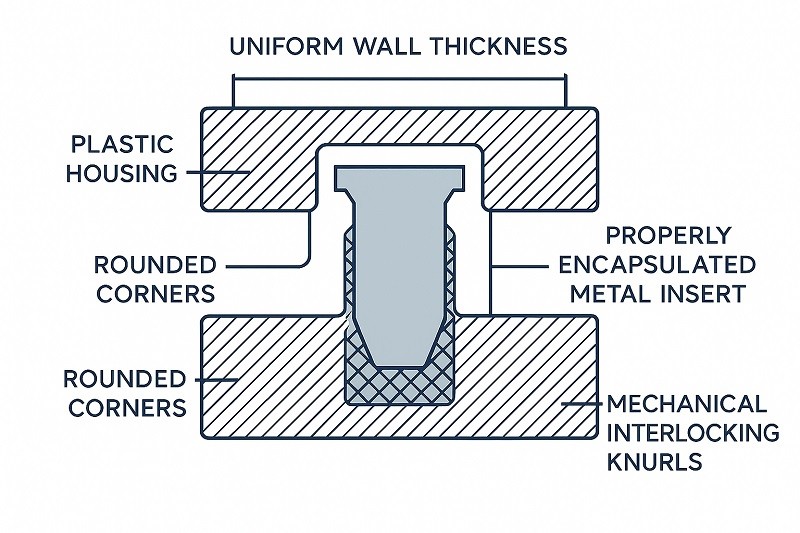
By addressing these design considerations early in the development process, manufacturers can fully leverage the power of insert molding to produce high-quality, reliable, and cost-effective integrated components.
Exploring Custom Plastic Injection Molding: Overmolding
Overmolding is a dynamic and versatile injection molding process that layers different materials—typically a rigid plastic substrate and a softer, flexible material—to create a single, integrated part. It is renowned for its ability to enhance a product's aesthetics, ergonomics, and functionality, making it a popular choice for consumer goods, medical devices, and industrial tools.
What is Overmolding?
Overmolding is a manufacturing technique where one material (the overmold) is molded onto a second material (the substrate). Typically, this involves molding a soft, rubber-like thermoplastic elastomer (TPE) or thermoplastic polyurethane (TPU) over a rigid plastic part. The process can result in either a chemical bond, where the two materials molecularly fuse, or a mechanical bond, where the overmold material physically interlocks with the substrate. This layering adds specific properties, such as a soft grip, a waterproof seal, or shock absorption, to a base component.
The Multi-Step Process for Layered Functionality
Unlike the single-shot process of insert molding, overmolding is fundamentally a multi-step or multi-shot process. The sequence is critical for achieving a successful bond and a high-quality finished product. There are two primary methods:
Two-Shot (or Multi-Shot) Molding: This highly automated and efficient process uses a specialized injection molding machine with two or more barrels.
- First Shot: The rigid substrate is molded in the first cavity of the mold.
- Mold Rotation/Transfer: The mold then rotates or a robotic arm transfers the newly molded substrate to a second, slightly larger cavity within the same mold.
- Second Shot: The second material, typically a TPE, is injected into the second cavity, flowing over and bonding to the substrate. This method is extremely fast and precise, making it ideal for high-volume production where minimizing labor and cycle time is crucial.
Pick-and-Place Overmolding: This method is more manual and uses two separate molds.
- Molding the Substrate: A full batch of the substrate parts is produced using a standard injection molding process in the first mold.
- Transfer: An operator or robot then manually takes a pre-molded substrate and places it into a second, different mold.
- Overmolding: The second material is injected into this mold to create the overmolded layer. While this method has a longer cycle time and higher labor costs, it offers greater flexibility, is suitable for lower production volumes, and can be used when the substrate is made of a material other than plastic, such as metal.
Common Materials and Applications in Custom Plastic Injection Molding
The success of an overmolding project heavily relies on the careful selection of compatible materials. The substrate and overmold materials must form a strong, durable bond.
Common Substrate Materials (The Rigid Core):
- Acrylonitrile Butadiene Styrene (ABS): A strong, impact-resistant thermoplastic ideal for solid base structures.
- Polycarbonate (PC): Known for its toughness, clarity, and high-temperature resistance.
- Nylon (PA): Offers excellent strength and chemical resistance.
- Polypropylene (PP): A cost-effective, lightweight plastic with good chemical resistance.
Common Overmold Materials (The Soft Layer):
- Thermoplastic Elastomers (TPE): A family of rubber-like materials known for their flexibility, softness, and ease of processing. They are a popular choice for providing excellent grip.
- Thermoplastic Polyurethane (TPU): Offers superior abrasion resistance, elasticity, and durability compared to many TPEs.
- Liquid Silicone Rubber (LSR): A high-performance thermoset material valued for its excellent thermal stability, biocompatibility, and soft feel.
The table below illustrates some common material pairings:
| Substrate Material | Compatible Overmold Material | Common Applications |
|---|---|---|
| ABS | TPE, TPU | Power tool handles, remote control casings, phone cases |
| Polycarbonate (PC) | TPE, TPU | Kitchen utensil grips, portable electronic devices |
| Polypropylene (PP) | TPE (specific bondable grades) | Toothbrush handles, container lids with flexible seals |
| Nylon (PA) | TPE, TPU | Medical instrument grips, automotive interior components |
Overmolding is used extensively in consumer electronics for creating shock-resistant and comfortable grips on devices, in the medical field for ergonomic surgical instruments, and in the automotive sector for seals, gaskets, and interior touchpoints.
Benefits of Custom Plastic Overmolding
Overmolding is a transformative process that adds significant value to products by enhancing their feel, appearance, and performance. By layering materials, manufacturers can achieve a combination of properties that a single material could never provide, leading to superior products that stand out in the market.
Improved Ergonomics and Aesthetics
One of the most noticeable benefits of overmolding is the immediate improvement in user experience and visual appeal.
- Enhanced Grip and Comfort: Adding a soft, pliable layer of TPE or LSR to a rigid handle can dramatically improve its ergonomics. This is crucial for hand tools, surgical instruments, toothbrushes, and sporting equipment, where a secure, comfortable grip reduces user fatigue and increases safety and precision.
- Superior Aesthetics: Overmolding offers endless design possibilities. It allows for the use of multiple colors and textures on a single part, helping to delineate functional areas, improve brand identity with molded-in logos, and create a high-end look and feel. The soft-touch finish gives products a sense of quality and sophistication that can be a key differentiator in a competitive marketplace.
Enhanced Performance and Durability
Beyond look and feel, overmolding provides significant functional advantages that improve a product's long-term reliability.
- Shock and Vibration Damping: The elastomeric overmolded layer acts as a natural cushion, absorbing impacts and damping vibrations. This is critical for protecting sensitive internal components in electronic devices, reducing noise in machinery, and improving the longevity of products subjected to rough handling.
- Sealing and Environmental Resistance: Overmolding is an excellent method for creating integrated, water-resistant, or dust-proof seals. By molding a flexible gasket directly onto a rigid housing, manufacturers can achieve a robust seal without the need for separate O-rings or manual assembly, which is ideal for outdoor electronics, medical devices, and automotive components.
- Increased Durability: The soft outer layer can protect the underlying rigid substrate from scratches and impacts, enhancing the overall durability of the product. Furthermore, since overmolding often reduces or eliminates the need for secondary assembly steps, it minimizes potential manufacturing defects and creates a more robust, consolidated part.
Design Considerations for Custom Plastic Overmolding
Successfully executing an overmolding project requires careful attention to design details to ensure a strong bond between materials and a flawless final appearance. The process is more complex than single-shot molding, and several factors must be managed to prevent issues like delamination, warping, or cosmetic defects.
Achieving Strong Material Bonding and Adhesion
The single most critical factor in overmolding is ensuring that the two materials adhere to each other permanently. This can be achieved through two primary mechanisms:
- Chemical Bonding: This is the most desirable form of adhesion, where the molecular chains of the substrate and overmold materials entangle and fuse during the molding process. This requires selecting materials that are chemically compatible. Material suppliers provide compatibility charts that are essential for this selection process. For example, certain grades of TPE will form a strong chemical bond with ABS, while others will not. The melting temperature of the overmold material should be lower than that of the substrate to prevent the substrate from deforming.
- Mechanical Interlocking: When a strong chemical bond is not possible, designers must create mechanical features that lock the two materials together. This can include designing undercuts, holes, or raised channels in the substrate that the overmold material flows into and around. Once solidified, the overmold material is physically trapped, preventing it from peeling or separating from the substrate. Texturing the surface of the substrate can also increase surface area and improve mechanical adhesion.
Managing Shrinkage, Warping, and Aesthetic Requirements
The physical behavior of the materials during and after molding must be carefully controlled to achieve a dimensionally stable and aesthetically pleasing part.
- Differential Shrinkage: All plastics shrink as they cool. When two different materials are bonded together, they will likely have different shrink rates. If not properly managed, this differential shrinkage can cause the part to warp, or it can create internal stresses that compromise the bond. Designing for uniform wall thickness in both the substrate and the overmold is a crucial first step.
- Wall Thickness and Flow: The thickness of the overmolded layer must be carefully considered. If it's too thin (typically under 1mm), it may feel hard regardless of the material's softness and can be difficult to fill properly. If it's too thick, it can lead to long cycle times, sink marks, and excessive material usage. The design must facilitate smooth, unrestricted flow of the overmold material to all intended areas.
- Aesthetic and Edge Quality: To achieve a clean, crisp transition line between the substrate and the overmold, the tooling must be precise. The mold must seal perfectly against the substrate to prevent the overmold material from "flashing" or bleeding onto unwanted areas. The gate location—where the plastic enters the cavity—should be placed in a non-cosmetic area to hide any vestige marks.
By proactively addressing these design challenges, engineers can harness the full potential of overmolding to create innovative, high-performance, and visually appealing products.
Key Distinctions in Custom Plastic Injection Molding: Insert vs. Overmolding
While both insert molding and overmolding are advanced injection molding techniques designed to create integrated, multi-material components, they are fundamentally different in their processes, primary applications, and cost structures. Understanding these key distinctions is crucial for selecting the most appropriate and cost-effective method for a specific product. Both methods enable the creation of parts with combined materials without adhesives and can eliminate post-molding assembly steps.
Process Flow: Single-Shot vs. Multi-Shot
The most fundamental difference between the two processes lies in the number of steps or "shots" required within the molding cycle.
Insert Molding: A Single-Shot Process Insert molding is characterized by its efficiency as a one-step process. A pre-fabricated component (the insert) is placed into the mold, and then a single shot of molten plastic is injected to surround and encapsulate it. The entire integration happens within one molding cycle. This results in a generally faster cycle time compared to overmolding, as only one injection step is needed.
Overmolding: A Multi-Shot Process Overmolding is inherently a two-step or multi-shot process. First, a base component, or substrate, is molded. Then, in a second step, another material is molded over this substrate. This can be done in a highly automated fashion using a two-shot molding machine that rotates the mold between injections, or via a more manual "pick-and-place" method using two separate molds. This multi-step nature means the process has a longer overall cycle time.
| Feature | Insert Molding | Overmolding |
|---|---|---|
| Process Steps | Single Step (Single-Shot) | Two Steps (Multi-Shot) |
| Cycle Time | Generally faster per part | Generally slower due to two stages |
| Tooling | A single mold designed to hold an insert | Two separate molds or a complex, rotating multi-cavity mold |
| Automation | Can be manual (loading inserts) or fully automated | Can be manual (pick-and-place) or fully automated (two-shot) |
Material Integration: Rigid vs. Layered
The two processes also differ in the typical types of materials they integrate and the primary purpose of that integration.
Insert Molding: Embedding a Rigid Component The core purpose of insert molding is typically to embed a rigid, functional component—often metal—within a plastic part to add strength, conductivity, or durability. Common examples include adding metal threaded bushings for secure fastening, incorporating electrical pins into a connector housing, or embedding a metal shaft into a plastic knob. The focus is on leveraging the inherent properties of the non-plastic insert, which becomes a permanent, structural part of the final component.
Overmolding: Layering for Function and Feel Overmolding, on the other hand, is most often about layering a soft, flexible material over a rigid plastic substrate. The primary goal is usually to enhance ergonomics, aesthetics, or performance by adding a "soft-touch" grip, a colorful accent, a waterproof seal, or a shock-absorbing surface. The classic example is a "plastic plus plastic" combination, such as a flexible TPE molded onto a rigid ABS handle. The integration is focused on adding surface-level functionality and improving the user interface.
Cost and Production Volume for Custom Plastic Injection Molding
The differences in process complexity and tooling directly impact the cost and suitability for different production scales.
Insert Molding: The tooling for insert molding involves a single, albeit complex, mold designed to hold the insert securely. While the mold itself can be expensive, the process is generally more cost-effective for high-volume production because of its faster cycle time and the ability to automate insert placement. By eliminating post-molding assembly steps like screwing in fasteners, it can significantly reduce overall costs.
Overmolding: Overmolding is typically more expensive, especially in the initial tooling phase. It requires either two separate molds or a very complex (and costly) multi-shot mold. The two-step process also leads to a longer cycle time, which can increase the cost per part. Consequently, overmolding is often better suited for low to medium production volumes where the added value of improved ergonomics and aesthetics justifies the higher investment. However, for very high-volume products where manual assembly of two separate pieces would be even more expensive, automated two-shot overmolding can become the more cost-effective solution.
Resulting Product Characteristics and Functionality
Ultimately, the choice between the two methods comes down to the desired characteristics and function of the final product.
Insert Molding Products: These are characterized by their enhanced structural integrity, durability, and embedded functionality. The key benefit is the robust integration of a non-plastic element that provides a capability the plastic alone cannot, such as electrical conductivity or high-strength threads. The result is a highly reliable component designed for performance and longevity.
Overmolding Products: These products are defined by their enhanced user experience. The primary benefits are improved grip, comfort, aesthetics, and protection (e.g., sealing or shock absorption). While overmolding also produces a durable part, its main purpose is to add functional or visual layers to a product, making it safer, more comfortable to use, or more visually appealing.
In summary, choosing between insert molding and overmolding requires evaluating whether the product's primary need is for embedded structural function (insert molding) or for layered surface enhancement (overmolding).
Applications and Real-World Examples for Custom Plastic Injection Molding
The theoretical differences between insert molding and overmolding become clearer when examined through the lens of real-world products. These processes are not niche techniques but are responsible for countless items we use every day, from the life-saving medical devices in a hospital to the power tools in a workshop.
Where Insert Molding Excels
Insert molding is the process of choice when a product requires the integration of a robust, non-plastic component to provide strength, conductivity, or other mechanical properties that plastic alone cannot deliver.
Medical Devices and Electronics: Precision and Integration
In the medical and electronics industries, precision, reliability, and miniaturization are paramount. Insert molding is a critical enabling technology in these fields.
- Medical Instruments: Surgical tools often feature a stainless steel component (like a blade, tip, or shaft) insert molded with a plastic handle. This creates a single, seamless, and often disposable instrument that is easy to sterilize, provides an ergonomic grip, and has no crevices where bacteria can hide. Catheters and needle hubs also rely on insert molding to securely bond different components, ensuring leak-proof performance.
- Implantable Devices: Pacemakers, defibrillators, and other implantable electronics use insert molding to encapsulate the sensitive circuitry and battery within a biocompatible plastic shell. This process creates a hermetic seal that protects the electronics from the body's internal environment while ensuring the device is safe for the patient.
- Electronic Connectors and Sensors: Countless electronic components, from simple USB ports to complex automotive sensors, use insert molding. Metal pins and contacts are precisely positioned in the mold, and plastic is injected around them to create a durable, insulated housing that ensures reliable electrical connections.
Automotive Components and Industrial Equipment: Strength and Reliability
In harsh automotive and industrial environments, components must withstand vibration, extreme temperatures, and mechanical stress. Insert molding provides the necessary robustness.
- Automotive Sensors and Modules: A modern vehicle contains hundreds of sensors and electronic modules. Insert molding is used to create durable housings for these components, protecting them from engine heat, moisture, and vibration while integrating mounting features and electrical connectors.
- Threaded Fasteners and Knobs: Instead of tapping threads into a plastic boss (which can strip easily) or using a separate press-fit insert, manufacturers use insert molding to embed a metal-threaded insert directly into a part. This creates a durable, high-strength fastening point that is essential for parts that need to be assembled and disassembled.
- Industrial Equipment: In machinery and industrial tools, insert molding is used to create high-strength components like gears with metal inserts, robust handles for levers, and durable machinery parts that benefit from combining the wear resistance of metal with the lightweight properties of plastic.
Where Overmolding Shines
Overmolding is the go-to process when the goal is to enhance a product's interaction with the user or its environment by adding a layer of soft, functional material.
Consumer Goods and Handles: Comfort and Grip
The most common application of overmolding is to improve the ergonomics and feel of handheld products.
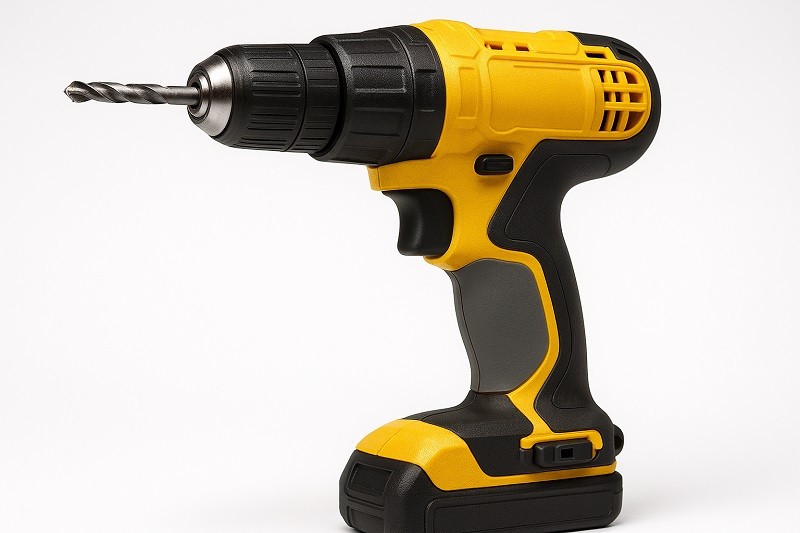
- Power Tools and Hand Tools: The rubberized grips on power drills, screwdrivers, and hammers are classic examples of overmolding. A soft TPE is molded over a rigid plastic handle, providing a comfortable, non-slip surface that reduces vibration and user fatigue.
- Toothbrushes and Personal Care Items: The soft, grippy sections on a toothbrush handle are created through overmolding. This not only makes the product more comfortable to hold but also allows for vibrant, multi-color designs that enhance its shelf appeal.
- Kitchen Utensils: Spatula handles, knife grips, and the soft edges on mixing bowls often use overmolding to provide a secure grip, especially in wet conditions, and to add a premium feel to the product.
Sealing and Protection: Enhancing Product Lifespan
Overmolding is a highly effective method for creating integrated gaskets and protective bumpers, improving a product's durability and resistance to the elements.
- Water-Resistant Electronics: Many portable electronic devices and outdoor equipment use overmolding to create a durable, built-in seal. By molding a flexible, rubber-like material directly onto the device's housing, a seamless, waterproof barrier is formed, protecting the internal components from moisture and dust without the need for separate, often failure-prone, O-rings.
- Protective Cases and Bumpers: Protective cases for smartphones and other devices frequently use overmolding to combine a rigid structural frame with a soft, shock-absorbing outer layer. This layered approach provides excellent impact resistance, protecting the device from drops and bumps.
- Vibration Damping: In appliances and industrial equipment, overmolded components can serve as vibration dampers or soft feet, reducing operational noise and preventing the equipment from sliding on smooth surfaces.
Case Study: Advancements in Medical Devices with Custom Plastic Insert Molding
The medical device industry is a prime example of how advanced manufacturing processes like insert molding drive innovation and improve patient outcomes. The demand for smaller, more functional, and highly reliable devices—both reusable and single-use—makes insert molding an indispensable technology.
The Challenge: A medical device manufacturer aimed to develop a new generation of minimally invasive surgical instruments. The design required combining a sharp, durable stainless steel end-effector with a lightweight, ergonomic, and disposable handle. Traditional assembly methods involving adhesives or mechanical fasteners were deemed unsuitable due to risks of failure during surgery, difficulties in sterilization, and high assembly costs.
The Solution: By partnering with a custom plastic injection molding expert, the manufacturer leveraged a combination of insert molding and two-shot molding.
- Insert Molding for a Secure Bond: The stainless steel component was placed as an insert into a high-precision mold. A rigid, biocompatible polymer was then injected, encapsulating the base of the metal to form an unbreakable mechanical and chemical bond. This ensured the tip would never detach from the handle.
- Overmolding for Ergonomics: In an automated next step within the same molding cell, a softer, tactile TPE was overmolded onto specific grip areas of the rigid handle. This provided the surgeon with a secure, comfortable, and non-slip grip, enhancing precision and reducing fatigue during long procedures.
The Outcome: The integrated approach resulted in a superior product that was stronger, safer, and more ergonomic. By combining processes, the manufacturer eliminated manual assembly, which reduced production time and lowered the risk of contamination. This innovation allowed for the cost-effective mass production of a high-performance, single-use surgical instrument that met stringent FDA and ISO 13485 regulatory standards. This case highlights how modern injection molding techniques are not just a manufacturing choice but a critical component of medical device innovation.
Making the Right Choice: Factors for Your Custom Plastic Injection Molding Project
Selecting between insert molding and overmolding is a critical decision that significantly influences a product's functionality, aesthetics, manufacturing cost, and time-to-market. The choice is not always obvious and requires a strategic evaluation of the project's specific goals and constraints. A thorough analysis of several key factors will illuminate the optimal path forward.
Evaluating Product Design Requirements and Aesthetics
The primary driver for choosing a process should always be the end product's intended function and appearance. Ask the fundamental question: what is the component trying to achieve?
- For Structural Reinforcement, go with Insert Molding: If your product's primary need is to incorporate a non-plastic component for strength, durability, or conductivity, insert molding is the clear choice. This applies to parts needing metal threads for repeated fastening, electrical pins for connectivity, or a steel shaft for torque resistance. The design focus is on securely embedding a functional insert.
- For Ergonomics and Aesthetics, choose Overmolding: If the goal is to improve the user's interaction with the product—by adding a soft-touch grip, a non-slip surface, or a waterproof seal—overmolding is the ideal solution. It is also the superior choice for enhancing aesthetics through multi-color designs, branded logos, or varied surface textures that give the product a premium look and feel.
Material Compatibility and Performance Needs
The materials you intend to use and the performance they must deliver are inextricably linked to the manufacturing process.
- Insert Molding Material Needs: This process excels at combining very dissimilar materials, most commonly metal and plastic. The key considerations are the insert's ability to withstand the heat and pressure of the molding process and designing features (like knurling or undercuts) that create a strong mechanical bond, as chemical bonding is often not possible.
- Overmolding Material Needs: Success in overmolding hinges on the compatibility between the substrate and the overmold material. A strong chemical bond is often desired to prevent delamination. This requires careful selection of materials that are known to adhere to one another. The melt temperature of the overmolded material must be lower than that of the substrate to avoid melting or distorting the initial part. If a chemical bond isn't feasible, the design must incorporate mechanical interlocks.
Cost-Effectiveness and Production Scale for Custom Plastic Injection Molding
Budgetary constraints and production volume are practical realities that heavily influence the decision.
- Tooling and Part Cost: Overmolding is generally more expensive upfront due to its need for two separate molds or a complex multi-shot tool. The two-step process also increases the cycle time, which can raise the per-part cost. Insert molding may have a lower initial tooling cost (one mold) and a faster cycle time, making it potentially more cost-effective.
- Assembly Savings: Both processes can reduce overall costs by eliminating secondary assembly steps. Insert molding saves on labor for installing fasteners. Overmolding saves on the labor needed to assemble a separate grip or gasket. The key is to analyze the total cost of manufacturing. Sometimes, the higher cost of overmolding is offset by the value it adds and the elimination of even more expensive downstream assembly.
- Production Volume: For very high-volume production, the efficiency of automated two-shot overmolding or automated insert molding can make them highly cost-effective. For low to medium volumes, the higher tooling cost of overmolding may be a significant barrier, potentially making insert molding or a different manufacturing approach more feasible.
Prototyping Strategies for Custom Plastic Injection Molding
Before committing to expensive steel production tooling, prototyping is essential to validate design, material choices, and functionality. Modern prototyping methods, especially 3D printing, have revolutionized this phase for both insert molding and overmolding.
Leveraging 3D Printing for Molds and Inserts
3D printing offers a fast and cost-effective way to create prototypes that closely mimic final production parts.
- 3D Printed Molds: Instead of machining a metal mold, which can take weeks and cost thousands of dollars, a mold can be 3D printed from a durable photopolymer resin. These 3D printed molds can be used on a standard injection molding press to produce a small batch of prototype parts (typically 10-100) in the actual production material. This allows for functional and user testing with parts that have the correct material properties.
- Prototyping Overmolding: The overmolding process can be simulated using 3D printed molds. First, the substrate is molded using a 3D printed tool. That substrate is then placed into a second, larger 3D printed mold, and the overmold material is injected. This allows designers to test the fit, feel, and bond of the overmolded component.
- 3D Printed Inserts and Substrates: For early-stage fit and feel checks, the insert or substrate itself can be 3D printed. For instance, a 3D printed plastic part can be used as a stand-in for a metal insert to test its placement and encapsulation in a prototype mold. Similarly, multi-material 3D printers can produce a single part from both rigid and flexible materials, providing a rough but quick approximation of an overmolded design.
By using these advanced prototyping strategies, teams can de-risk their projects, iterate on designs quickly, and make the right choice between insert molding and overmolding with confidence before investing in mass production tooling.
Partnering with the Right Custom Plastic Injection Molding Manufacturer
Choosing between insert molding and overmolding is a significant decision, but it is only half the battle. Executing these complex processes successfully requires a manufacturing partner with deep expertise, the right equipment, and robust quality systems. The selection of your custom plastic injection molding supplier is a strategic decision that will have a lasting impact on your product's quality, cost, and overall success.
The Importance of Experience and Production Capability
Not all injection molders are created equal, especially when it comes to advanced techniques like insert molding and overmolding. These processes demand a higher level of precision, process control, and engineering knowledge than standard single-shot molding.
- Demonstrated Experience: Look for a manufacturer with a proven track record in your specific process of interest (insert molding or overmolding) and, ideally, in your industry. An experienced partner will have encountered and solved numerous challenges, giving them invaluable problem-solving skills. They can provide crucial Design for Manufacturability (DFM) feedback early in the process to prevent costly errors down the line.
- In-House Tooling and Engineering: A supplier with in-house tool-making and engineering support is a significant asset. These capabilities allow for seamless collaboration between the design and production teams, faster creation and modification of tools, and quicker resolution of any issues that arise during production.
- Technological and Automation Capabilities: Assess the manufacturer's equipment. Do they have modern, well-maintained injection molding machines, including specialized multi-shot presses for overmolding? Do they utilize automation and robotics for tasks like insert placement or part handling? Automation is key to achieving consistency, reducing human error, and managing costs, especially in high-volume production.
Ensuring Strategic Fit for Your Custom Plastic Injection Molding Needs
A successful partnership goes beyond technical capabilities; it requires a strategic alignment between your company's needs and the supplier's business model.
- Production Volume Alignment: Manufacturers often specialize in certain production scales. Some are optimized for low-volume prototyping and short runs, while others are geared for high-volume mass production. Choosing a partner whose capacity aligns with your current and future needs is essential. A mismatch can lead to either being a low priority for a large molder or overwhelming a small one.
- Industry-Specific Certifications: Different industries have different regulatory and quality requirements. If you are in the medical field, your partner must have certifications like ISO 13485. For automotive projects, IATF 16949 is the standard. Ensuring your supplier holds the necessary certifications for your market is non-negotiable and provides assurance of their commitment to industry-specific quality standards.
- Communication and Collaboration: A good manufacturing partner acts as an extension of your own team. Evaluate their communication style and responsiveness. They should be proactive in providing feedback, transparent about challenges, and collaborative in finding solutions. A strong working relationship is crucial for navigating the complexities of custom manufacturing.
Quality Control and Cycle Time Management
Rigorous quality control and efficient production are the cornerstones of a reliable molding operation.
- Robust Quality Management System (QMS): A reputable manufacturer will have a well-documented QMS, such as one certified to ISO 9001. Inquire about their specific quality control processes. This includes everything from incoming material inspection to in-process monitoring using sensors and vision systems, and final part inspection. Tools like Process Failure Mode and Effect Analysis (PFMEA) demonstrate a proactive approach to risk management.
- Scientific Molding and Process Monitoring: Leading molders use principles of scientific molding to develop a stable and repeatable process. They will monitor critical process parameters like temperature, pressure, and injection speed in real-time to ensure every part is produced under identical conditions. This data-driven approach minimizes part-to-part variation and ensures consistent quality.
- Effective Cycle Time Management: Cycle time is a primary driver of part cost and production capacity. An experienced molder will work to optimize cycle time without compromising part quality. This involves efficient mold and cooling channel design, process optimization, and automation. Inquiring about their approach to cycle time management can provide insight into their operational efficiency and cost-effectiveness.
Choosing the right partner is an investment in your product's future. By carefully evaluating a manufacturer's experience, strategic fit, and commitment to quality, you can build a relationship that ensures your complex custom plastic injection molding project is a resounding success.
Both insert molding and overmolding are invaluable tools in the arsenal of advanced manufacturing, each offering a unique pathway to creating complex, high-performance, multi-material products. Insert molding excels at embedding robust components to enhance structural integrity and functionality, making it ideal for applications demanding strength and reliability. Overmolding shines in its ability to add layers of material to improve ergonomics, aesthetics, and user interaction, perfect for products where comfort and visual appeal are paramount.
The decision is not merely technical but strategic, resting on a clear understanding of your product's core requirements, material needs, production scale, and budget. By carefully considering these factors, you can demystify the choice and select the optimal process to achieve superior product quality and manufacturing efficiency. Ultimately, the success of either process is magnified when you partner with an experienced custom plastic injection molding provider. A knowledgeable supplier will not only execute the chosen process with precision but will also serve as a crucial collaborator, providing expert guidance from design and prototyping through to final production. This partnership is the key to unlocking the full potential of these advanced techniques and turning your innovative design into a successful reality.