How to Choose the Best Plastic Injection Molding Supplier: A Comprehensive Guide
- Share
- Issue Time
- Jan 22,2026
Summary
A comprehensive guide to selecting a reliable plastic injection molding supplier based on technical expertise, quality systems, communication, and sustainability
Choosing the right plastic injection molding supplier is one of the most critical decisions for any product developer or engineer. This decision directly impacts the quality, lead times, and overall cost of your end product. As a result, selecting a truly reliable plastic injection molding supplier means looking beyond just price and location.
Injection molding is a widely used manufacturing process that transforms plastic granules into precise parts for various industries, including automotive, medical devices, and consumer electronics. Given the high upfront tooling investment and strict tolerance requirements, a carefully chosen plastic injection molding supplier becomes a vital manufacturing partner.
Evaluating the Technical Prowess of Your Plastic Injection Molding Supplier
A supplier's technical ability is the bedrock of a successful manufacturing partnership. It encompasses their engineering expertise, the quality of their equipment, and their knowledge of materials. A technically proficient supplier doesn't just make parts; they enhance them. They proactively identify design flaws, suggest better materials, and use advanced technology to produce components that are stronger, more reliable, and more cost-effective. Ignoring this aspect can lead to production delays, costly mold reworks, and parts that fail to meet performance standards.
Assessing Engineering and Design Capabilities
The most valuable suppliers act as an extension of your own engineering team. Their ability to provide expert feedback during the initial design phase is a hallmark of a true partner. They should possess the tools and expertise to refine your concept for optimal manufacturability, ensuring the final product is not only functional but also efficient to produce.
Design for Manufacturability (DFM) Expertise
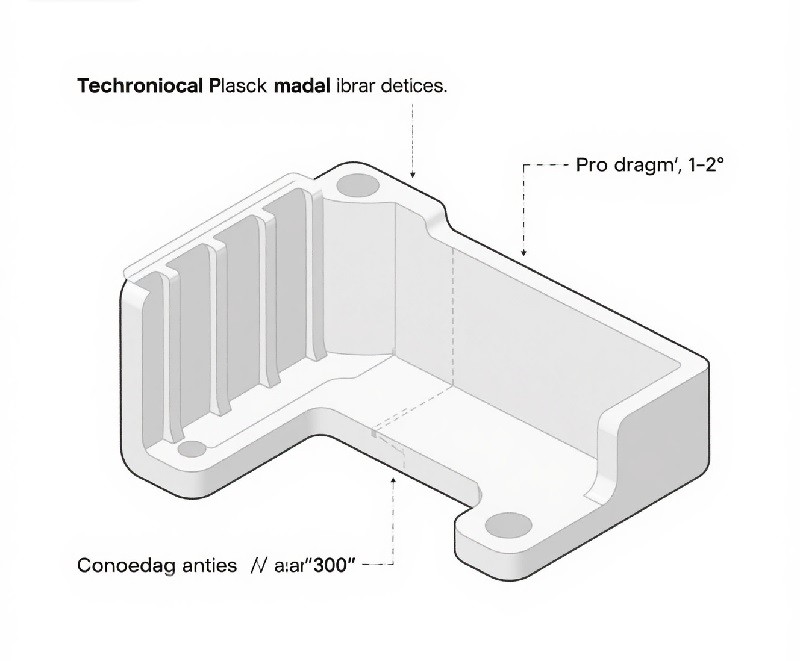
Design for Manufacturability (DFM) is a crucial engineering practice focused on optimizing a part's design to streamline the manufacturing process and minimize costs without sacrificing quality. A potential supplier’s proficiency in DFM is a strong indicator of their technical depth. An expert supplier will provide a detailed DFM report, which serves as a communication bridge, visualizing the design and analyzing its feasibility for manufacturing. This process should be collaborative, with the supplier's engineers working to identify and resolve potential issues before any steel is cut for the mold.
Key areas a supplier should address in their DFM analysis include:
- Uniform Wall Thickness: Maintaining consistent wall thickness is critical for preventing defects like sink marks and warping caused by uneven cooling.
- Draft Angles: Incorporating appropriate draft angles (typically 1-2 degrees) on vertical surfaces is essential for the smooth ejection of the part from the mold.
- Ribs and Bosses: Proper design of reinforcing ribs and mounting bosses adds structural integrity without creating overly thick sections.
- Corner Radii: Using generous fillets and rounded corners helps distribute stress and improves the flow of molten plastic, preventing structural weaknesses.
By proactively addressing these elements, a supplier with strong DFM expertise can significantly reduce production costs, shorten development cycles, and enhance the final product's quality and consistency.
Mold Flow Simulation and Optimization
Mold flow analysis is a powerful computer-aided engineering (CAE) simulation that predicts how molten plastic will flow into, fill, and cool within a mold. A supplier that leverages this technology can foresee and resolve potential manufacturing problems before they occur, saving immense time and money. These simulations are essential for optimizing the mold design, including the placement of gates (where plastic enters the cavity), the design of runner systems, and the layout of cooling channels.
Key benefits of a supplier using mold flow analysis include:
- Improved Part Quality: The simulation can predict and help prevent common defects such as sink marks, weld lines, air traps, and warpage.
- Reduced Cycle Times: By optimizing the cooling system design, which can account for up to 80% of the cycle, suppliers can significantly shorten production times and lower costs.
- Optimized Gate and Runner Design: Analysis helps determine the ideal location and size for gates and runners to ensure the mold fills evenly and completely.
- Defect Prevention: Visualizing the flow within the mold allows engineers to solve issues on-screen, ensuring parts have consistent dimensional accuracy and superior mechanical strength.
Ultimately, a supplier who invests in mold flow analysis demonstrates a commitment to precision and efficiency, reducing the risk of costly mold modifications and production delays.
Material Selection and Part Design Recommendations
The selection of the right plastic resin is a critical decision that directly influences the functionality, quality, durability, and cost of the final product. With thousands of polymers available, each with unique properties, a knowledgeable supplier is an invaluable guide. They should help you navigate the complex trade-offs between mechanical strength, chemical resistance, thermal stability, cost, and processability.
An expert supplier will assist in:
- Defining Application Requirements: They begin by understanding the end-use of the product, including its operational environment (temperature, UV exposure), mechanical loads, and any regulatory needs (e.g., FDA compliance for medical devices).
- Comparing Material Families: Suppliers can explain the differences between commodity resins (like Polypropylene), engineering resins (like Nylon or Polycarbonate), and high-performance resins (like PEEK), helping you balance cost and performance.
- Evaluating Material Properties: A thorough evaluation will cover tensile strength, flexibility, impact resistance, and chemical compatibility to ensure the chosen resin can withstand its real-world application. For example, for automotive parts exposed to heat and chemicals, materials like ABS or Nylon might be recommended, while medical devices may require biocompatible materials like medical-grade Polycarbonate.
Choosing the wrong material can lead to part failure, so a supplier's ability to provide data-driven recommendations is a testament to their expertise.
Examining Manufacturing Equipment and Capacity
A supplier's physical assets—their machinery, technology, and facility footprint—are direct indicators of their ability to deliver quality parts on schedule. Outdated or insufficient equipment can lead to inefficiencies, defects, and an inability to meet demand. When evaluating a supplier, it is crucial to look for modern, well-maintained equipment and a clear capacity to handle your project's scale, from initial prototypes to full-scale production.
Advanced Machining Technologies
The quality of an injection mold is paramount, as it directly determines the precision, finish, and consistency of the final parts. A top-tier supplier invests in advanced technologies for mold making. Look for suppliers who utilize high-speed CNC (Computer Numerical Control) machining, which is essential for creating complex mold geometries with high precision. Another key technology is Electrical Discharge Machining (EDM), used to create intricate features, sharp corners, and deep ribs that are difficult to achieve with conventional milling.
The use of advanced CAD/CAM software is also a given, as it allows for the seamless translation of a digital design into a physical mold. Some forward-thinking suppliers are even adopting technologies like metal 3D printing (Direct Metal Laser Sintering) to create molds with complex internal structures, such as conformal cooling channels, which can drastically reduce cycle times and improve part quality.
Production Volume and Scalability of the Plastic Injection Molding Supplier
A critical factor in your selection is the supplier's ability to match your volume requirements, both now and in the future. Their capacity is determined by the number and size of their injection molding machines, which are measured in clamp tonnage. A supplier with a wide range of press sizes can accommodate everything from small, intricate components to large automotive parts.
Key questions to assess scalability include:
- Production Capacity: Can the supplier handle your required production volumes, whether it's a few thousand parts or millions? A well-equipped molder will have highly automated processes that run continuously with minimal downtime, making them ideal for mass production.
- Scalability: If your demand suddenly surges, can the supplier easily ramp up production? Look for the use of multi-cavity molds, which produce multiple parts in a single cycle and can dramatically increase output.
- Automation: To what extent does the supplier use automation and robotics? Automated systems for part handling, inspection, and packaging reduce labor costs, minimize human error, and improve consistency, which is vital for high-volume manufacturing.
Understanding these capabilities ensures your supplier can grow with you and won't become a bottleneck as your product succeeds.
Specialized Application Experience
Different industries have unique and stringent requirements. A supplier with specialized experience in your field brings invaluable expertise regarding materials, regulatory compliance, and quality standards. This experience can prevent costly mistakes and ensure your product meets all necessary specifications.
- Medical Device Molding: For medical applications, suppliers must adhere to strict regulatory standards, such as those from the FDA. This often requires manufacturing in a certified cleanroom environment and using medical-grade, biocompatible polymers that can withstand sterilization processes. Look for experience with materials like PEEK, medical-grade polycarbonate, and liquid silicone rubber (LSR).
- Automotive Injection Molding: The automotive industry demands high precision and durability. Parts must withstand high temperatures, vibrations, and chemical exposure. Suppliers should have experience with materials like Nylon, ABS, and PVC and understand requirements for uniform wall thickness and structural reinforcement to ensure part longevity and safety.
- Electronics and Consumer Goods: These industries often require intricate designs, high aesthetic quality, and sometimes conductive or flame-retardant materials. A supplier with experience here will be adept at producing complex housings and components with high-quality surface finishes.
A supplier that has successfully served diverse, demanding industries is often a sign of robust and adaptable quality systems.
Understanding Material Expertise and Expanded Services
A supplier's role can and should extend beyond simply molding parts. True manufacturing partners offer a broad range of material knowledge and secondary services that add value, streamline your supply chain, and reduce your total cost of ownership. These expanded capabilities demonstrate a deeper level of investment and expertise.
Diverse Material Capabilities for Your Plastic Injection Molding Needs
A supplier’s breadth of experience with different polymers is a direct reflection of their technical capability. While many molders are comfortable with common commodity plastics like Polypropylene (PP) and ABS, a top-tier supplier will have proven experience with more demanding materials.
Look for suppliers who can expertly process:
- Engineering-Grade Resins: These materials, such as Polycarbonate (PC), Nylon (PA), and Acetal (POM), offer enhanced strength, temperature resistance, and durability compared to commodity plastics.
- High-Performance Polymers (HPPs): This category includes materials like PEEK, Ultem (PEI), and fluoropolymers, which are engineered for the most demanding applications in aerospace, medical, and automotive industries. These polymers provide exceptional chemical resistance, stability in extreme temperatures, and superior mechanical properties but require specialized processing knowledge to mold correctly.
- Multi-Material Molding: Some suppliers specialize in advanced techniques like overmolding (molding a soft material over a rigid one) or two-shot molding, which combines different materials into a single, integrated part.
A supplier with a diverse material portfolio is better equipped to help you select the optimal resin for your part's performance and cost targets.
Value-Added Services: Beyond Basic Injection Molding
"Value-added" or "secondary" operations refer to any process performed on a part after it has been molded. A supplier who offers these services in-house can save you significant time, money, and logistical headaches by acting as a single-source partner. This integration shortens the supply chain and reduces the number of vendors you need to manage.
Common value-added services to look for include:
| Service Category | Examples | Benefits |
|---|---|---|
| Assembly | Manual or automated assembly of multiple components, kitting with other parts (springs, screws, etc.). | Provides a complete or sub-assembled product ready for the next stage, reducing your internal labor. |
| Decorating & Finishing | Pad printing (logos/text), hot stamping, in-mold decorating (IMD), painting, and chrome plating. | Adds aesthetic appeal, branding, and instructional markings directly at the source. |
| Machining | CNC milling, drilling, and tapping to achieve tighter tolerances or add features post-molding. | Enables high-precision features that are difficult or impossible to mold directly. |
| Joining | Ultrasonic welding, heat staking, and bonding to permanently join multiple plastic parts. | Creates strong, permanent bonds for complex assemblies. |
| Packaging & Logistics | Custom packaging, bar-code labeling, and direct distribution services. | Streamlines the final steps of getting your product to market. |
By offering these services, a supplier demonstrates a commitment to providing a turnkey manufacturing solution, transforming them from a simple vendor into a strategic partner.
Ensuring Quality and Reliability from Your Plastic Injection Molding Supplier
A supplier's promises are meaningless without the systems to back them up. Quality and reliability are the cornerstones of a successful manufacturing relationship. A dependable supplier consistently delivers high-quality parts that meet your exact specifications, on time and on budget. This requires rigorous quality control processes, validated by internationally recognized certifications, and a proven history of success in relevant industries. Investing time to verify a supplier's quality systems and track record is a critical step in mitigating risk and ensuring a smooth production process.
Validating Quality Control and Sampling Processes
A supplier's commitment to quality should be evident in every step of their manufacturing process, from incoming raw material inspection to the final sign-off on finished parts. A truly quality-focused molder doesn't just inspect for defects; they implement systems to prevent them from occurring in the first place.
Rigorous Testing and Inspection Protocols
Robust quality control involves a series of checks and balances at every stage of production. When evaluating a supplier, ask about their specific inspection protocols.
Key quality control measures to look for include:
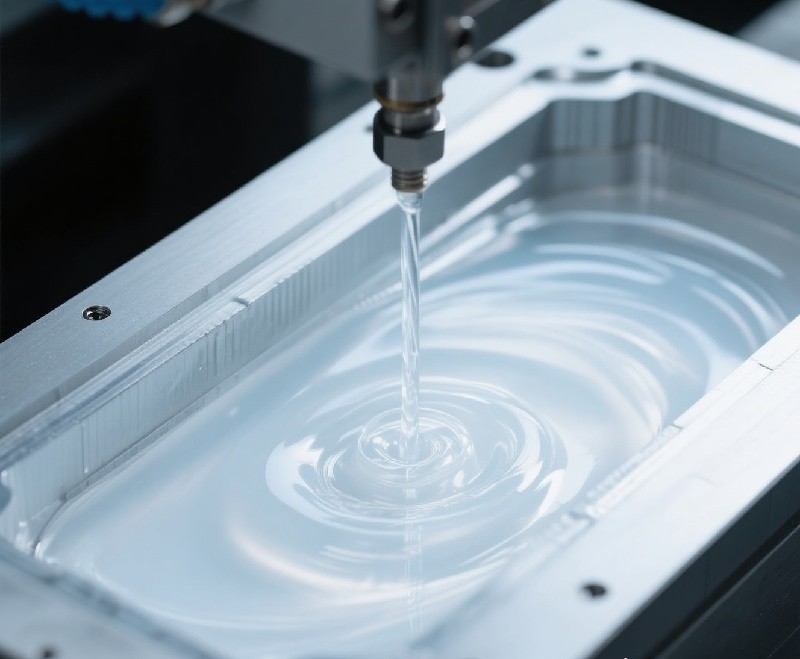
- First Article Inspection (FAI): Before launching full production, the supplier should conduct a thorough FAI on the first parts produced from a new mold. This documented inspection verifies that every dimension, feature, and specification on your engineering drawing is met. Approving the FAI is a critical milestone that validates the manufacturing process is capable of producing conforming parts consistently.
- In-Process Inspection: Quality checks should not be left until the end. Ask about in-process monitoring, which involves regularly inspecting parts at various stages of production. Many suppliers use Statistical Process Control (SPC) to monitor critical process parameters like temperature and pressure in real-time, allowing for immediate adjustments to prevent defects.
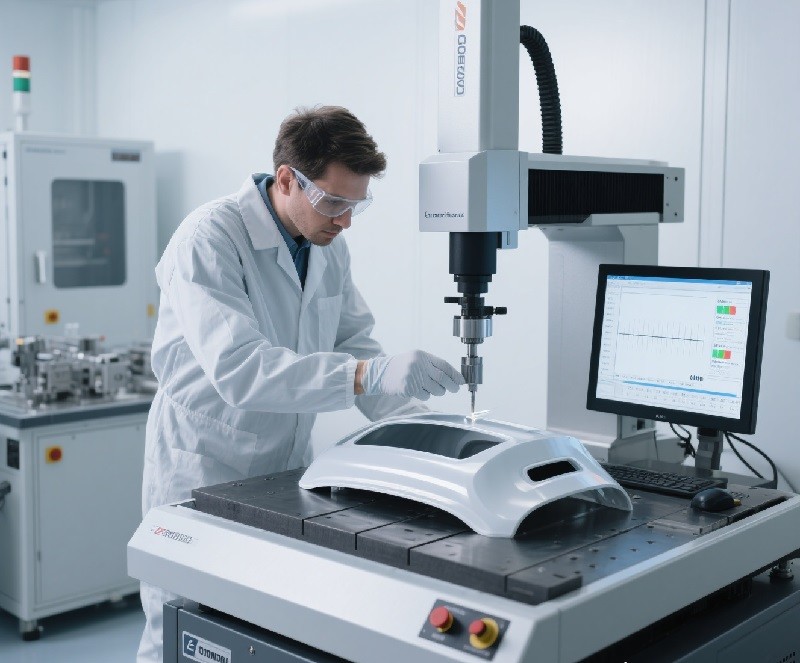
- Advanced Metrology Equipment: A serious supplier will invest in high-tech inspection tools. Look for the use of Coordinate Measuring Machines (CMMs) and optical gauging systems for precise dimensional verification. These tools are far more accurate and reliable than manual measurements with calipers.
Industry Certifications (e.g., ISO 9001)
Industry certifications are a vital, third-party validation of a supplier's commitment to quality. They demonstrate that the supplier has implemented and maintains a robust Quality Management System (QMS).
Important certifications to look for include:
- ISO 9001:2015: This is the internationally recognized standard for a QMS. An ISO 9001 certification shows that a supplier has documented processes for everything from material handling to continuous improvement, ensuring consistent quality and customer satisfaction. It provides peace of mind that the supplier is committed to delivering reliable results every time.
- IATF 16949: This is a technical specification for automotive sector quality management systems. If you are in the automotive industry, working with an IATF 16949-certified supplier is practically mandatory. It extends ISO 9001 with specific requirements for defect prevention and waste reduction in the automotive supply chain.
- ISO 13485: This is the standard for quality management systems for medical devices. For medical products, an ISO 13485 certification is non-negotiable. It ensures the supplier adheres to stringent regulatory requirements for process validation, traceability, and risk management, which are critical for patient safety.
Scrutinizing Industry Experience and Portfolio
A supplier’s past performance is one of the most reliable predictors of future success. A long and varied track record demonstrates stability, adaptability, and a deep well of expertise. Don't just take a supplier's word for it; ask for concrete evidence of their experience and success with projects similar to yours.
Proven Track Record and Client Testimonials
A reputable supplier should be transparent about their history and willing to share their successes. When evaluating a potential partner, take the following steps:
- Review Their Portfolio and Case Studies: Ask for examples of past projects, particularly those similar to yours in complexity, material, or industry. This will give you a tangible sense of their capabilities.
- Ask for Client References: Request to speak with one or two of their current clients, preferably from your industry. This provides unfiltered feedback on their quality, reliability, and communication.
- Look for Client Testimonials: Genuine endorsements from satisfied customers are powerful social proof. They build trust by showcasing real-world examples of how the supplier has solved problems and delivered value. When presented with specific data or metrics, testimonials offer compelling evidence of a supplier's ability to deliver results.
Diverse Industry Experience of the Plastic Injection Molding Supplier
While a supplier specializing only in your industry may seem appealing, there can be risks to such a narrow focus. A supplier serving diverse industries often brings a more balanced and stable business model, making them less vulnerable to downturns in a single market.
The benefits of working with a supplier with diverse industry experience include:
- Cross-Pollination of Innovation: These suppliers are often early adopters of new technologies and best practices, which they can apply across all the sectors they serve. Their varied experiences foster creativity and lead to innovative solutions.
- Economic Stability: A diversified client base reduces the supplier's risk, which in turn provides more stability for you as their customer. You are less likely to be left without a supplier if one industry faces an economic challenge.
- Broader Expertise: A molder who has successfully produced parts for the automotive, medical, and consumer electronics industries has a proven ability to adapt to different quality standards, materials, and regulatory environments. This versatility is a strong indicator of a robust and capable quality system.
Transparent Communication and Cost Evaluation for Your Plastic Injection Molding Supplier
Choosing a manufacturing partner is not just a technical decision; it's a financial and relational one. The best suppliers operate with a high degree of transparency in both their communication and their pricing. A partnership thrives on clear, consistent communication and a mutual understanding of project goals and costs. Vague quotes and unresponsive project managers are red flags that can signal future problems, including budget overruns and missed deadlines.
Assessing Communication and Project Management
Effective project management is the lifeblood of any successful manufacturing project. It ensures that every activity is planned, scheduled, and controlled from start to finish. A supplier with a strong project management framework will provide a single point of contact and maintain open lines of communication, ensuring all parties are aligned and informed. This structured approach reduces risk, prevents errors, and fosters a collaborative environment.
Responsive and Clear Communication Channels
Clear and consistent communication is one of the most critical factors in a successful business relationship, especially in manufacturing. From the very beginning, a supplier should establish clear protocols for communication. Look for a supplier that assigns a dedicated project manager or engineer to your account. This individual will be your primary point of contact, responsible for providing regular updates and answering any questions you may have.
Key elements of good communication include:
- A Dedicated Point of Contact: Having a single person to manage your project simplifies communication and ensures accountability.
- Responsiveness: Your supplier should respond to inquiries in a timely manner. Delays in communication can lead to delays in production.
- Clarity: Communication, whether through email or video calls, should be clear and concise to avoid misunderstandings, especially when working with overseas suppliers.
Transparent Project Tracking and Reporting
Beyond responsive communication, a great supplier will provide you with visibility into your project's progress. A well-managed project follows a clear schedule and provides regular updates to the client. Sophisticated suppliers use project management tools to track every stage of the process, from mold design to final delivery.
Look for suppliers who provide:
- A Detailed Project Schedule: At the outset, you should receive a timeline that outlines key milestones, such as the T1 sample date (when you'll receive the first test parts) and the final mold delivery date.
- Regular Progress Reports: Weekly updates with photos and status reports keep you informed and ensure there are no surprises.
- Shared Project Management Tools: Some suppliers offer access to online portals where you can track progress, share documents, and communicate in real-time, fostering better alignment and more efficient problem-solving.
This level of transparency builds trust and gives you confidence that your project is on track.
Comparing Pricing, Lead Times, and After-Sales Support with Your Plastic Injection Molding Supplier
While cost is a major factor, the cheapest quote is rarely the best value. A low price can often hide underlying issues like poor-quality materials, subpar tooling, or a lack of essential support. It is crucial to analyze quotes in detail, understand what is and isn't included, and evaluate the supplier's commitment to supporting you after the initial sale.
Detailed and Transparent Quotations
A quote for injection molding should be more than just a price; it should be a detailed breakdown of all the costs associated with your project. When comparing quotes, make sure you are making an "apples-to-apples" comparison, as different molders may make different assumptions about tooling and production quantities.
A transparent quote should clearly itemize:
- Tooling Costs: This is often the biggest cost driver. The quote should specify the type of mold steel being used, the number of cavities, and the mold's guaranteed lifespan (e.g., 1 million cycles). Be wary of very low tooling quotes, as they may indicate the use of inferior steel that will wear out quickly.
- Part Price: This should be broken down based on the material selected, cycle time, and quantity.
- Material Specifications: The quote should state the specific grade of resin to be used, not just a generic family.
- Pre-production and Validation Costs: A complete quote will include the costs for the Production Part Approval Process (PPAP), sampling, and quality inspections.
- Potential Hidden Costs: Ask upfront about any additional charges that are not in the quote, such as fees for shipping, tariffs, mold modifications, setup, or storage.
Comprehensive After-Sales Support and Warranties
A supplier’s responsibility does not end upon delivery. What happens if the mold needs maintenance or a production run has defects? A reliable partner will stand behind their work with a clear warranty and accessible after-sales support.
Key aspects of after-sales support to confirm:
- Mold Warranty: A high-quality production mold is a significant investment and should come with a warranty. Ask about the guarantee period, which is often defined by a number of cycles or years (e.g., 500,000 cycles or 3 years). Clarify what the warranty covers (e.g., mold frame, cavities, hot runner system) and who is responsible for repairs. Some suppliers even offer a lifetime warranty on the mold as long as they continue to produce parts for you.
- Technical Support: An expert team should be available to help you with any technical inquiries, maintenance questions, or troubleshooting after delivery.
- Spare Parts and Maintenance: Inquire about the availability of spare parts and the supplier's mold maintenance plan to ensure the long-term productivity of your investment.
A comprehensive after-sales policy provides peace of mind and demonstrates that the supplier is committed to a long-term partnership.
Sustainability and Innovation when Choosing a Plastic Injection Molding Supplier
In today's market, choosing a supplier involves more than just evaluating their current capabilities. Forward-thinking companies are also assessing a potential partner's commitment to the future—specifically, their dedication to environmental responsibility and technological innovation. A supplier who invests in sustainable practices and advanced technology is not only a more ethical choice but is also more likely to be efficient, competitive, and prepared for the challenges of tomorrow.
Commitment to Environmental Responsibility
As global awareness of environmental issues grows, manufacturers are increasingly expected to adopt sustainable practices. A responsible injection molding supplier actively seeks ways to minimize their environmental footprint throughout the production process. Choosing a partner who shares this commitment can enhance your brand's reputation and ensure compliance with evolving environmental regulations.
Key areas of environmental responsibility to evaluate include:
- Use of Sustainable Materials: Ask if the supplier has experience with eco-friendly materials. This can include post-consumer recycled (PCR) plastics, bio-based plastics derived from renewable resources like cornstarch or sugarcane, and biodegradable polymers like PLA or PHA. Using recycled materials reduces reliance on virgin plastics and diverts waste from landfills.
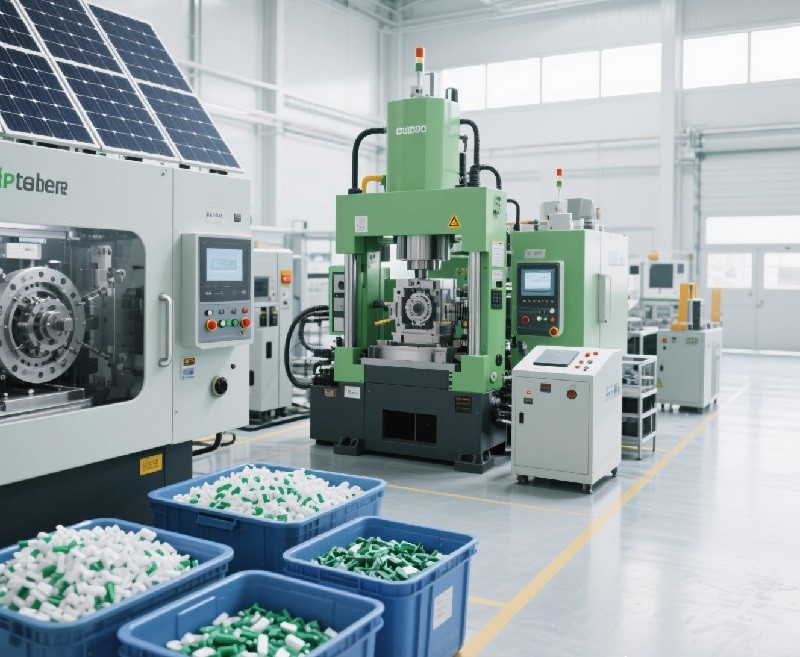
- Energy Efficiency: Injection molding is an energy-intensive process. A sustainable supplier will invest in modern, energy-efficient machinery (such as all-electric presses), use renewable energy sources like solar power, and optimize their processes to reduce overall energy consumption.
- Waste Reduction and Management: Look for suppliers who have implemented lean manufacturing principles to minimize material waste. They should have robust recycling programs for scrap plastic and utilize closed-loop systems where excess material is reground and reused in the production process.
- Environmental Certifications: Certifications like ISO 14001 demonstrate a formal commitment to an effective environmental management system, showing that the supplier is actively monitoring and working to improve their environmental performance.
Embracing Advanced Technology and Continuous Improvement
The manufacturing landscape is being revolutionized by Industry 4.0, which involves the integration of digital technologies, data analytics, and intelligent automation into production processes. A supplier who embraces these advancements is not just keeping up with trends; they are actively working to be more efficient, precise, and competitive. A culture of continuous improvement, where employees are encouraged to identify and solve inefficiencies, is a hallmark of a world-class manufacturer.
Key indicators of a forward-thinking, innovative supplier include:
- Automation and Robotics: The use of robots for tasks like part removal, assembly, and quality inspection streamlines production, reduces human error, and increases efficiency. This can lead to "lights-out manufacturing," where production runs continuously with minimal human intervention.
- Smart Manufacturing (Industry 4.0): Look for suppliers who utilize the Internet of Things (IoT) by embedding sensors in their machines and molds. This allows for real-time monitoring of critical parameters like temperature and pressure. The data collected can be analyzed to optimize processes, perform predictive maintenance, and prevent defects before they occur.
- Advanced Simulation and Prototyping: A technologically advanced supplier will use simulation software to optimize designs and processes virtually before cutting steel. They may also utilize 3D printing to rapidly create prototypes and evenAlgunos moldes de inyección, which significantly shortens lead times and reduces costs for design validation.
- A Culture of Continuous Improvement: A truly excellent supplier is never satisfied with the status quo. They often employ methodologies like Six Sigma to systematically identify and eliminate defects and inefficiencies in their processes. This commitment to ongoing improvement ensures that they consistently deliver the highest quality and best value to their clients.
Conclusion
Choosing the right plastic injection molding supplier is a foundational decision that impacts your product's success from concept to market. By thoroughly evaluating a supplier's technical capabilities, quality control systems, communication practices, and overall value, you can mitigate risks and forge a successful, long-term partnership. A comprehensive vetting process that looks beyond the initial price tag to assess engineering expertise, manufacturing capacity, quality certifications, and commitment to innovation is essential.
Remember, the ideal plastic injection molding supplier acts as a true manufacturing partner. They support your project with design optimization, proactive problem-solving, scientifically-backed material recommendations, and scalable production. This collaborative approach ensures the reliable delivery of high-quality plastic components that meet your specifications and performance requirements, ultimately empowering you to bring a winning product to market. We encourage you to use this guide as a roadmap in your search for a supplier who will not only meet your expectations but exceed them.