CNC Machining vs Die Casting: Comparing Precision, Cost, and Lead Time
- Share
- publisher
- SOMI Custom Parts
- Issue Time
- Sep 9,2026
Summary
Compare CNC machining and die casting across precision, cost, lead time, and design flexibility to choose the right process for aluminum, zinc, or magnesium parts.
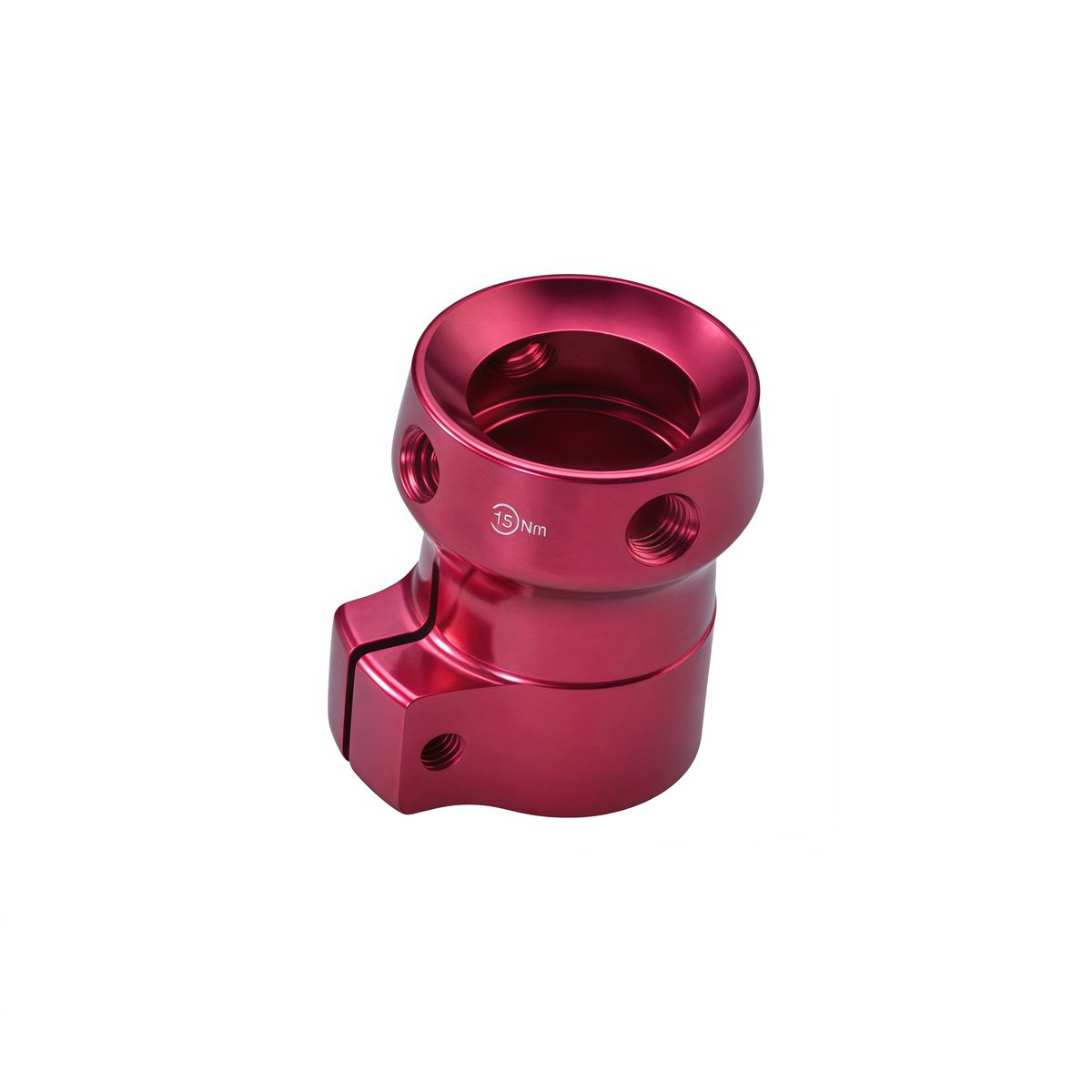
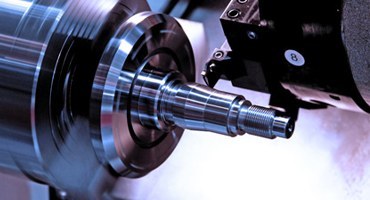
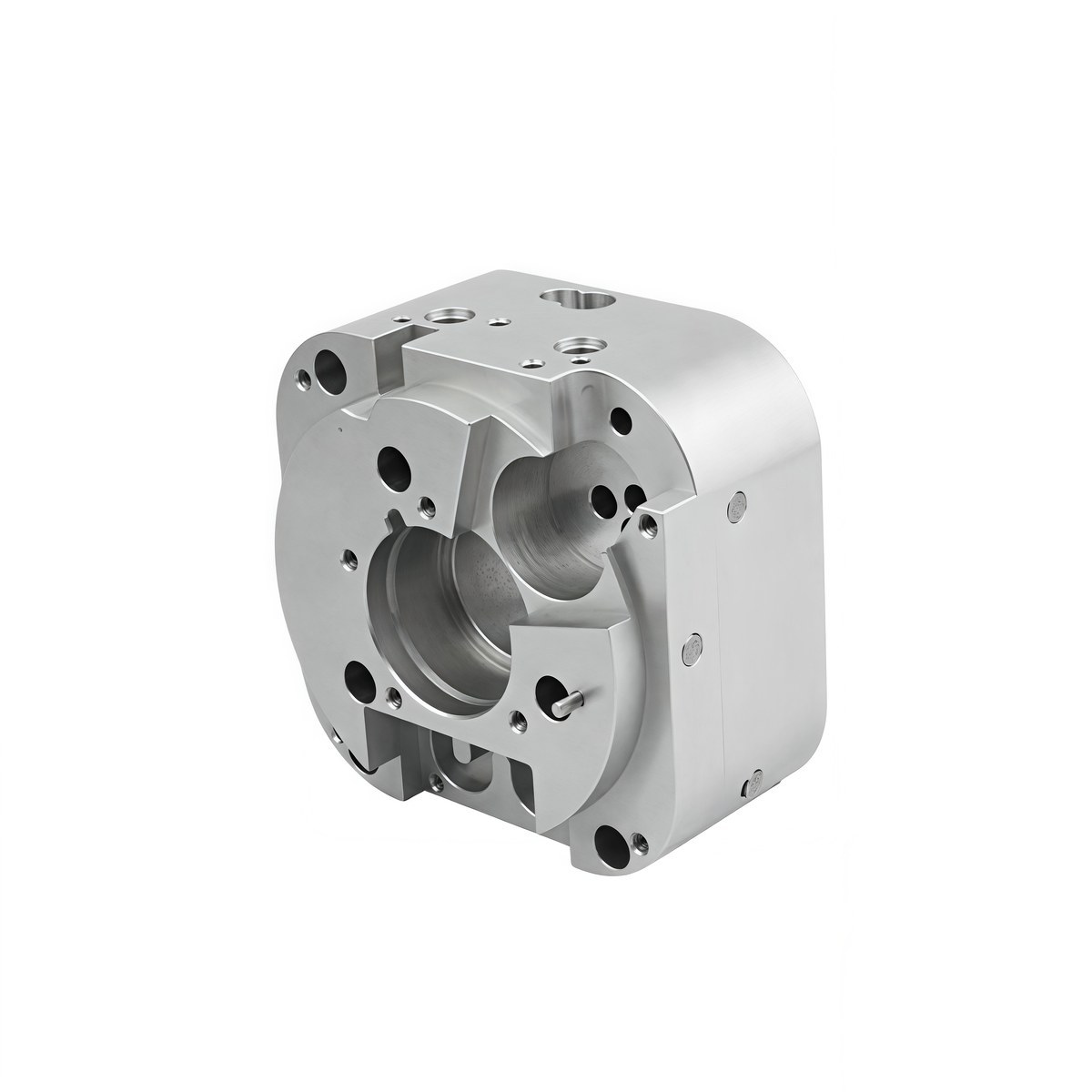
CNC machining and die casting are both proven ways to produce metal parts — but they serve different volumes, geometries, and budgets. Learn how to choose the right process for your aluminum, zinc, or magnesium component. Every product team eventually faces the same question: should we machine this part from solid stock, or cast it to near-net shape and finish it later? The answer affects tooling investment, per-unit cost, lead time, surface finish, and how easily the design can evolve. For aluminum housings, automotive brackets, electronic enclosures, and consumer-product frames, the two most common options are CNC machining (subtractive) and die casting (net-shape metal forming). Each process wins in specific scenarios. In this guide, we compare them side-by-side on precision, cost, lead time, material behavior, and design flexibility — so you can make an informed sourcing decision. CNC (Computer Numerical Control) machining is a subtractive process. A solid billet or bar of metal is fixtured into a mill, lathe, or multi-axis machining center, and automated cutting tools remove material until the final geometry is achieved. Typical operations include milling, turning, drilling, tapping, and grinding. Because there is no hard mold, CNC machining is ideal for prototypes, low-to-medium volumes, and applications where tolerances and surface quality are critical. Die casting is a metal-forming process in which molten metal — typically aluminum, zinc, or magnesium alloy — is injected into a hardened steel mold (the "die") under high pressure. After a few seconds of cooling, the part is ejected, trimmed of flash and runners, and sent to post-processing. Die casting excels at high volumes, thin walls, complex ribs, bosses, and internal cavities that would be expensive or impossible to machine from solid. Die casting produces near-net-shape metal parts in high volumes with minimal material waste. If your assembly depends on tight mating fits, precise threads, or optical seating, CNC machining is usually the safer starting point. Machined parts are cut from homogeneous wrought billet, so they retain the material's full mechanical properties and avoid internal porosity. Die castings can achieve good accuracy for non-critical dimensions, but the process inherently introduces variables such as mold wear, thermal shrinkage, and trapped gas porosity. When tighter tolerances are required, castings typically undergo secondary CNC machining on selected features — adding cost and lead time. The economic split between CNC and die casting usually comes down to volume. CNC has low setup cost but roughly flat per-piece cost. Die casting has high upfront tooling but very low per-piece cost once running. Industry benchmarks suggest the following crossover behavior for a typical aluminum component: A practical example: if a die-casting mold costs $30,000 and CNC saves $40 per piece compared to fully-loaded casting cost, the break-even is roughly 750 pieces. Beyond that, casting becomes cheaper. However, if the part requires extensive post-cast machining, trimming, or leak testing, the savings shrink — always compare delivered cost, not raw casting cost. CNC machining can deliver first articles in days. Once the program is verified, repeat orders ship quickly with no tooling lead time. Design iterations are inexpensive: change the CAD file, update toolpaths, and run a new batch. Die casting requires mold design, machining, and sampling before the first part is produced. Typical mold lead times are 6–12 weeks for production steel tooling. Once the mold is approved, however, part output is extremely fast. The trade-off is flexibility: changes that add metal to the part require removing steel from the die, which is costly and time-consuming. CNC machining offers fast prototypes and tight tolerances without custom tooling. Use the table below as a quick decision guide. Many projects use a hybrid path: CNC prototypes validate the design, then tooling is invested for mass production. This minimizes risk while capturing long-term cost savings. At SOMI Custom Parts, we help buyers select the right process before a single chip is cut or mold is machined. Our team reviews your design, volume forecast, tolerance requirements, and budget to recommend the most cost-effective path. Not sure which process makes sense? Send us your drawing and target volume — we will provide a clear process recommendation and quotation. From machined prototypes to cast production parts, SOMI supports the full product lifecycle. Yes. Many high-volume parts are cast to near-net shape and then machined on critical features such as mounting faces, threads, and sealing surfaces. This hybrid approach balances cost and precision. It depends on quantity. Below roughly 500 units, CNC machining is usually more economical. Above 2,000 units per year, die casting typically delivers lower total cost, especially for thin-wall enclosures with ribs and bosses. Die-cast parts can contain microscopic porosity, which may reduce fatigue resistance or pressure tightness compared to fully machined wrought material. For structural or pressure-critical applications, testing and process controls are essential. Production steel molds commonly take 6–12 weeks from design approval to first shots. Soft or prototype tooling can be faster but has shorter tool life. CNC machining and die casting are not competitors — they are complementary tools in a complete manufacturing strategy. CNC offers speed, flexibility, and precision for prototypes and small volumes. Die casting offers unmatched economy and geometric complexity at scale. The right choice depends on your annual volume, tolerance requirements, part geometry, and how much design change you expect. If you are preparing a new aluminum or zinc component and need help evaluating CNC machining versus die casting, contact SOMI Custom Parts. We will help you pick the process that delivers the best combination of quality, cost, and lead time.CNC Machining vs Die Casting: Comparing Precision, Cost, and Lead Time
Introduction: The Manufacturing Process Dilemma
What Is CNC Machining?
What Is Die Casting?
Precision and Surface Finish Comparison
Parameter CNC Machining Die Casting Typical tolerance ±0.01–0.05 mm ±0.1–0.3 mm Best surface finish (as-produced) Ra 0.8–1.6 µm Ra 3.2–6.3 µm Internal porosity Negligible Possible, requires control Thin-wall capability Limited Excellent (down to ~1.5 mm) Sharp internal corners Possible Limited by draft and radii Cost Breakdown: Tooling, Unit Cost, and Break-Even Volume
Lead Time and Design Flexibility
When to Use CNC vs Die Casting
Scenario Recommended Process Reason Prototype or low volume (1–500 pcs) CNC machining No tooling cost, fast turnaround. High volume (5,000+ pcs/year) Die casting Low per-unit cost and fast cycle times. Tight tolerances or sealing surfaces CNC machining Better as-produced accuracy and finish. Thin walls, ribs, bosses, complex housings Die casting Net-shape geometry in one shot. Rapid design iteration expected CNC machining Changes are software-driven. Long-term stable design Die casting Tooling investment amortizes over many parts. How SOMI Custom Parts Can Help
Frequently Asked Questions
Can die-cast parts be CNC machined afterward?
Which process is better for aluminum housings?
Does die casting have strength disadvantages?
How long does die-casting tooling take?
Conclusion