AI-Powered CNC Machining: How Artificial Intelligence Is Transforming Precision Manufacturing in 2026
- Share
- publisher
- SOMI Custom Parts
- Issue Time
- Jul 13,2026
Summary
Explore how AI-powered CNC machining is transforming precision manufacturing in 2026 from real-time adaptive control and predictive maintenance to lights-out production.
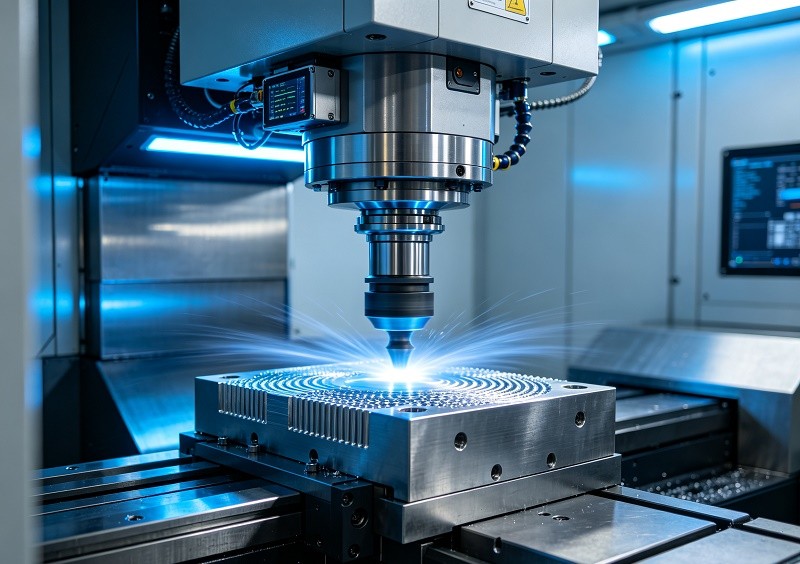
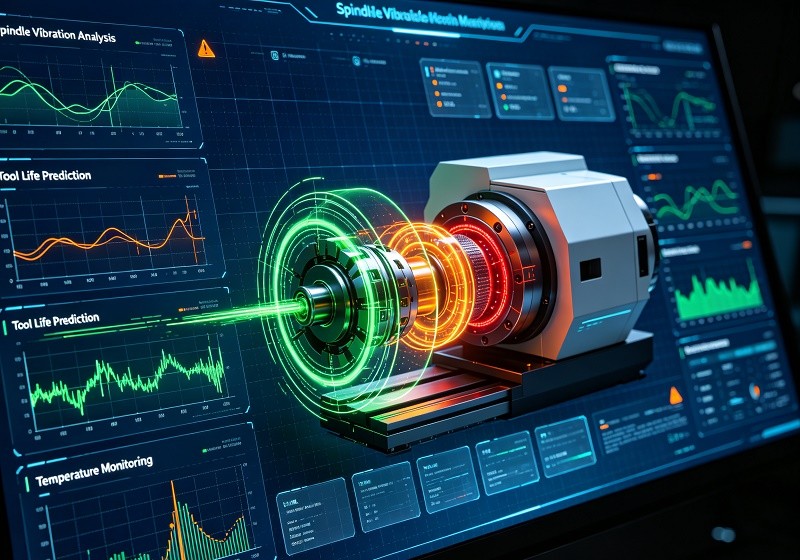
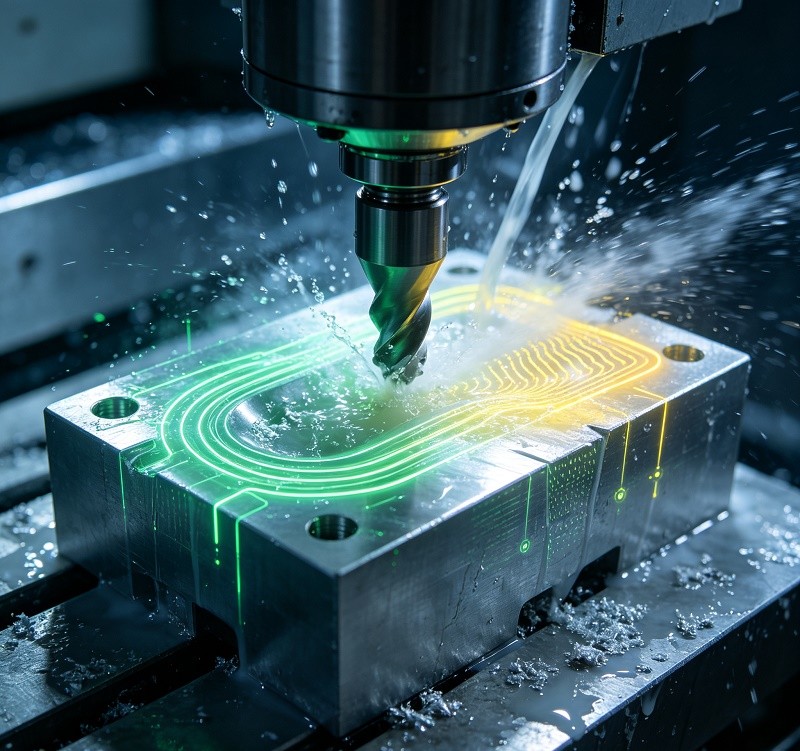
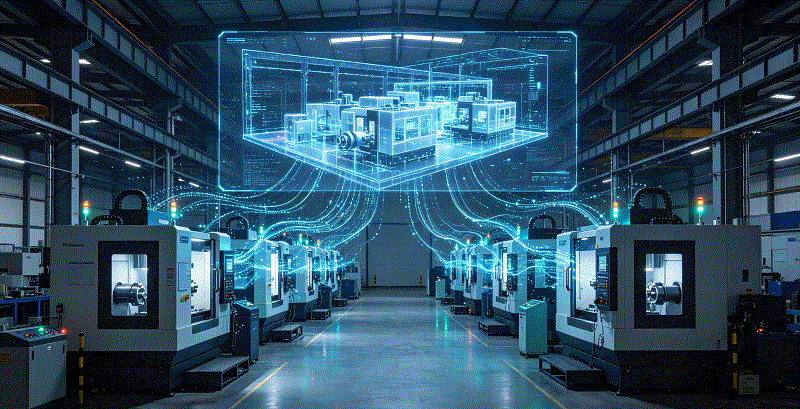
Artificial intelligence is no longer a futuristic concept in manufacturing — it is actively reshaping how CNC machining operates in 2026. From real-time toolpath optimization to predictive maintenance and adaptive control, AI has moved from experimental pilot projects to the core of precision manufacturing. For buyers of custom CNC machined parts, this transformation means higher consistency, shorter lead times, and better quality than ever before. At SOMI Custom Parts, we embrace AI-enhanced CNC machining technologies to deliver precision components that meet the most demanding specifications. This article explores how AI is transforming CNC machining and what it means for your custom parts projects. AI-powered CNC machining refers to the integration of artificial intelligence algorithms directly into CNC machine control systems. Unlike traditional CNC machining where cutting parameters are programmed once and remain fixed throughout production, AI-driven systems use real-time sensor feedback to continuously adjust feeds, speeds, and toolpaths based on actual cutting conditions. AI-native CNC systems rely on multiple sensors collecting data on vibration, spindle load, temperature, and cutting forces. These data streams feed machine learning models that can detect anomalies, predict tool wear, and adjust parameters autonomously in real time without human intervention. One of the most transformative capabilities of AI in CNC machining is adaptive control. Traditional programs run a fixed set of parameters regardless of material variations, tool wear, or temperature changes. AI systems monitor these variables continuously and make adjustments on the fly. Field data shows that AI adaptive control can reduce cycle times by 15-30% while extending tool life by up to 40%. Unplanned machine downtime is one of the costliest events in precision manufacturing. AI-powered predictive maintenance systems continuously monitor machine health indicators — spindle vibration signatures, lubrication levels, axis positioning errors — and predict failures before they occur. Instead of reacting to breakdowns, manufacturers can schedule maintenance during planned downtime, reducing unexpected stoppages by up to 60%. AI systems maintain consistent part quality across long production runs by compensating for tool wear, thermal drift, and material inconsistencies. For parts requiring tight tolerances in the ±0.005mm range, AI-driven compensation ensures that the first part and the thousandth part share the same dimensional accuracy. This level of consistency is particularly critical for aerospace, medical device, and semiconductor equipment components. AI-powered CNC systems are a key enabler of lights-out (unattended) manufacturing. With AI handling real-time adjustments and predictive monitoring, machines can run overnight and weekends with minimal human supervision. This dramatically increases production capacity without adding labor costs, a critical advantage given the ongoing skilled machinist shortage. By detecting process anomalies early and correcting them automatically, AI systems significantly reduce scrap rates. Studies from early 2026 indicate that shops implementing AI-driven CNC control average 20-35% less scrap compared to traditional programmed machining. In turning operations, AI systems monitor cutting force and chip formation patterns. When machining difficult materials like titanium or Inconel, AI automatically adjusts feed rates to prevent work hardening and tool edge buildup. Research on aerospace-grade titanium (Ti-6Al-4V) turning achieved dimensional accuracy within 2.6 microns mean absolute error using AI-driven compensation. For milling complex geometries, AI optimizes toolpath strategies based on real-time cutting conditions. Multi-axis milling benefits particularly from AI chatter detection and avoidance, enabling faster material removal rates without sacrificing surface finish. Our CNC Milling Parts leverage these AI-enhanced strategies for consistent quality across every batch. Deep-hole drilling and micro-drilling operations benefit from AI ability to detect subtle changes in cutting torque and adjust pecking cycles accordingly. This prevents drill breakage and ensures hole position accuracy even in challenging materials. Learn more about our CNC Drilling services. Contrary to concerns about job displacement, AI is transforming the machinist role rather than eliminating it. In 2026, CNC operators spend less time reacting to machine alarms and more time on higher-value activities: validating data patterns, tuning algorithms, optimizing processes, and managing multiple machines simultaneously. The skilled machinist becomes a process engineer who leverages AI tools to achieve repeatable perfection. For procurement professionals and engineers sourcing custom CNC parts, AI adoption in your supplier operations offers tangible benefits: When evaluating potential CNC machining partners, ask about their AI integration and data-driven quality systems. At SOMI Custom Parts, we integrate AI-enhanced machining capabilities alongside traditional precision manufacturing to provide the best of both worlds. Yes. AI adaptive control is particularly valuable for small-batch and prototype work where material variability and setup changes are common. The ability to self-optimize reduces the need for manual program adjustments between batches. The initial investment in AI-capable machines and sensors is higher, but the total cost of ownership is often lower due to reduced scrap, longer tool life, less downtime, and higher throughput. Many manufacturers see ROI within 12-18 months. Aerospace, medical devices, automotive (especially EV), semiconductor equipment, and robotics industries see the greatest benefits due to their demanding tolerance requirements. Browse our full range of manufacturing capabilities to see how we serve these industries. Absolutely. AI systems excel at adapting to unique geometries and material combinations. At SOMI CNC Machining division, we specialize in non-standard custom parts where AI-driven flexibility is a significant advantage. AI-powered CNC machining represents the most significant advancement in precision manufacturing since the introduction of CNC technology itself. In 2026, AI is no longer optional — it is becoming the standard for shops that want to compete on quality, speed, and reliability. For buyers of custom machined parts, partnering with an AI-enabled manufacturer means better parts, faster delivery, and more trustworthy quality assurance. Ready to experience AI-enhanced CNC machining for your custom parts? Contact the SOMI engineering team to discuss your project requirements.What Is AI-Powered CNC Machining?
Key Benefits of AI in CNC Machining
1. Real-Time Adaptive Control
2. Predictive Maintenance and Reduced Downtime
3. Consistent Surface Quality and Tighter Tolerances
4. Lights-Out Manufacturing Enablement
5. Reduced Scrap and Rework
AI Applications Across CNC Machining Processes
AI in CNC Turning
AI in CNC Milling
AI in CNC Drilling
How AI Is Changing the CNC Machinist Role
Implementing AI in Your CNC Machining Supply Chain
Frequently Asked Questions About AI in CNC Machining
Is AI-powered CNC machining suitable for small-batch production?
Does AI CNC machining cost more than traditional CNC?
What industries benefit most from AI CNC machining?
Can AI CNC machining handle non-standard custom parts?
Conclusion