A Manufacturer's Guide to Metal Stamping Die Materials: Precision, Durability, and Performance
- Share
- Issue Time
- Mar 14,2026
Summary
Explore essential metal stamping die materials including D2/A2 tool steels and tungsten carbide. Learn how to balance hardness, toughness, and wear resistance through expert selection, heat treatment, and coatings for optimal performance.
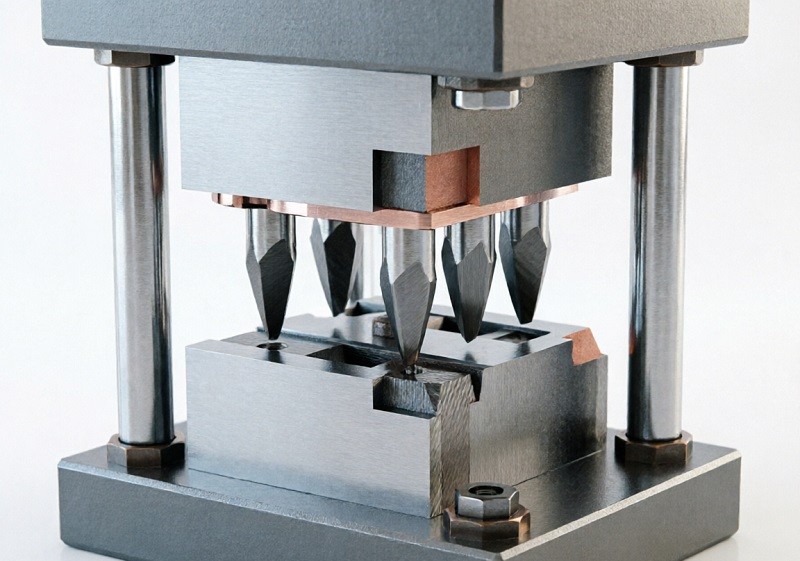
In the world of precision manufacturing, the quality of a stamped metal part is a direct reflection of the tool that created it. At the heart of this process lies the stamping die, a tool subjected to immense pressures and repetitive cycles. A premier metal stamping die manufacturer distinguishes itself not just by its machinery, but by its deep, material-science-based understanding of how to build a die that lasts. The choice of material is not a trivial decision; it's a foundational engineering choice that dictates the die's lifespan, the precision of the parts it produces, and the overall cost-effectiveness of the production run. This guide explores the critical materials that form the backbone of high-performance stamping dies.
The Critical Role of Material Selection in Die Manufacturing
Before a single piece of metal is cut, an expert manufacturer evaluates the entire scope of the project. This includes the part material (e.g., stainless steel, aluminum), the production volume, the complexity of the part, and the required tolerances. The die material must be chosen to withstand the specific stresses of the job. A material that is too soft will wear quickly, while one that is too brittle may chip or crack under impact. This decision-making process is where a manufacturer's experience and technical expertise—their EEAT (Experience, Expertise, Authoritativeness, and Trustworthiness)—truly shine.
Understanding the Anatomy of a Stamping Die
A stamping die is not a monolithic tool. It's a complex assembly of components, each with a specific function and each requiring a material suited to its task. Key components include punches, which perform the cutting or forming action, die blocks that hold the shape, and guide pins that ensure alignment. The material for a high-impact punch might differ significantly from the material for a die block that primarily needs dimensional stability.
The Workhorses: Cold-Work Tool Steels
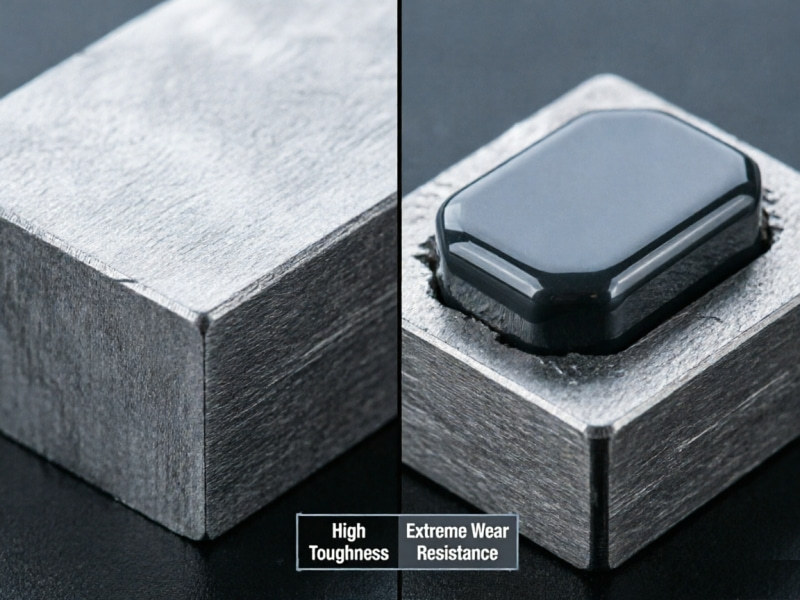
Tool steels are the most common family of materials used for stamping dies, prized for their balance of hardness, toughness, and wear resistance. They are broadly categorized, and for stamping that occurs at room temperature, cold-work tool steels are the go-to choice.
D-Series Tool Steels (e.g., D2)
D2 tool steel is a high-carbon, high-chromium steel known for its exceptional wear resistance. Its high chromium content gives it a large number of hard carbides in its matrix, making it ideal for long production runs where abrasion is the primary concern, such as in blanking and piercing dies. While its hardness is a major advantage, it is more brittle than other tool steels and may not be suitable for high-shock applications.
A-Series Tool Steels (e.g., A2)
A2 tool steel is an air-hardening, medium-alloy steel that offers a more balanced profile. It provides a good mix of wear resistance and toughness, making it more resistant to chipping and cracking under impact than D2 steel. This makes it a versatile choice for a wide range of applications, including forming dies and tools with complex geometries that require a higher degree of toughness.
O-Series Tool Steels (e.g., O1)
O1 tool steel is an oil-hardening steel that is appreciated for its good machinability and dimensional stability after heat treatment. While it doesn't offer the extreme wear resistance of D2, it provides good toughness and is a cost-effective solution for short to medium production runs or for tools where intricate machining is a primary cost driver.
For Extreme Performance: Carbide and High-Speed Steels
When standard tool steels can't meet the demands of a job, manufacturers turn to more advanced materials.
Tungsten Carbide
Carbide has a hardness and wear resistance that is superior to almost any steel. It is the material of choice for extremely high-volume production runs or when stamping highly abrasive materials. However, carbide is significantly more brittle and less tough than steel. To overcome this, it is often used as an insert in specific high-wear areas of a die, set into a tougher steel body.
High-Speed Steels (HSS)
As the name suggests, High-Speed Steels (like M2 or T1) excel at maintaining their hardness at the elevated temperatures generated during high-speed stamping operations. This property, known as 'red hardness', prevents the cutting edge from softening and dulling prematurely. HSS offers better toughness than carbide, providing a bridge between the capabilities of standard tool steels and the extreme wear resistance of carbides.
Key Material Properties a Manufacturer Must Balance
Selecting the right material is a balancing act. An expert manufacturer weighs several key properties to find the optimal solution for the application.
Key Die Material Properties | Property | Description | Importance in Die Manufacturing | |---|---|---| | Hardness | The ability to resist indentation and abrasion. | Essential for resisting wear from the stamped material, maintaining a sharp cutting edge, and ensuring part precision over the die's life. | | Toughness | The ability to absorb impact and energy without fracturing. | Crucial for preventing chipping or cracking of the die, especially in blanking and piercing operations with high shock loads. | | Wear Resistance | The ability to resist material loss from friction and abrasion. | Directly determines the lifespan of the die and the interval between maintenance services. Higher wear resistance is needed for abrasive materials and long runs. | | Machinability | The ease with which a material can be cut, drilled, and ground. | Affects the manufacturing cost and time of the die. Harder, more wear-resistant materials are typically more difficult and expensive to machine. | | Dimensional Stability| The ability to retain its size and shape after heat treatment. | Critical for precision dies. Materials with low distortion during hardening ensure the final tool meets tight tolerance specifications. |
The Role of Heat Treatment and Surface Coatings
The base material is only part of the story. Heat treatment is a critical step that unlocks the material's potential properties. The quenching and tempering process must be precisely controlled to achieve the desired hardness and toughness. An improper heat treatment can leave a high-quality steel brittle or soft, completely compromising the die's performance.
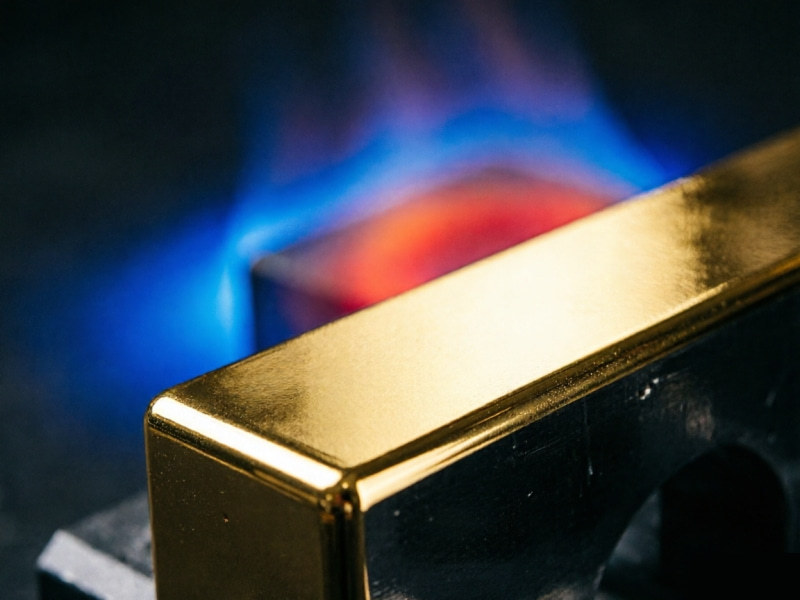
Furthermore, advanced surface coatings can dramatically enhance a die's performance. Treatments like nitriding or coatings such as Titanium Nitride (TiN) or Titanium Carbonitride (TiCN) can be applied to the die's working surfaces. These super-hard, low-friction layers significantly increase surface hardness and lubricity, reducing galling and extending the tool's life far beyond that of the uncoated base material.
Material Selection for Different Production Volumes
The anticipated production volume is a major factor in material selection.
- Low Volume / Prototyping: For short runs, a more economical and easily machined steel like O1 or even certain alloys might be sufficient.
- Medium Volume: A balanced, durable material like A2 tool steel is often a good choice, providing a good trade-off between performance and cost.
- High Volume: For runs in the hundreds of thousands or millions, the upfront investment in premium materials like D2 tool steel or carbide inserts pays for itself through increased die life, reduced downtime, and consistent part quality.
How the Stamped Material Influences Die Material Choice
The material being stamped plays a direct role in the wear and tear on the die. Stamping soft materials like aluminum puts different demands on a die compared to stamping high-strength stainless steels. For harder, more abrasive workpiece materials, the manufacturer must select a die material with superior wear resistance and toughness to prevent premature failure.
Partnering with an Expert Metal Stamping Die Manufacturer
Ultimately, the performance of a stamping die is a testament to the manufacturer's expertise. A leading manufacturer doesn't just cut steel; they apply a deep knowledge of material science, heat treatment, and tribology to every tool they build. They understand that selecting Cr12MoV (D2) for its wear resistance or 6CrNiSiMnMoV (GD) for its toughness is a critical engineering decision. By carefully considering all variables—from production volume to the material being formed—they engineer a die that delivers precision, longevity, and maximum value for their clients. When you choose a manufacturer, you are choosing their expertise, and that expertise is most evident in the materials they choose.